UOB names Tan Choon Hin as head of ASEAN and Greater China
United Overseas Bank (UOB) said the newly created role will see Tan Choon Hin lead growth across the region.

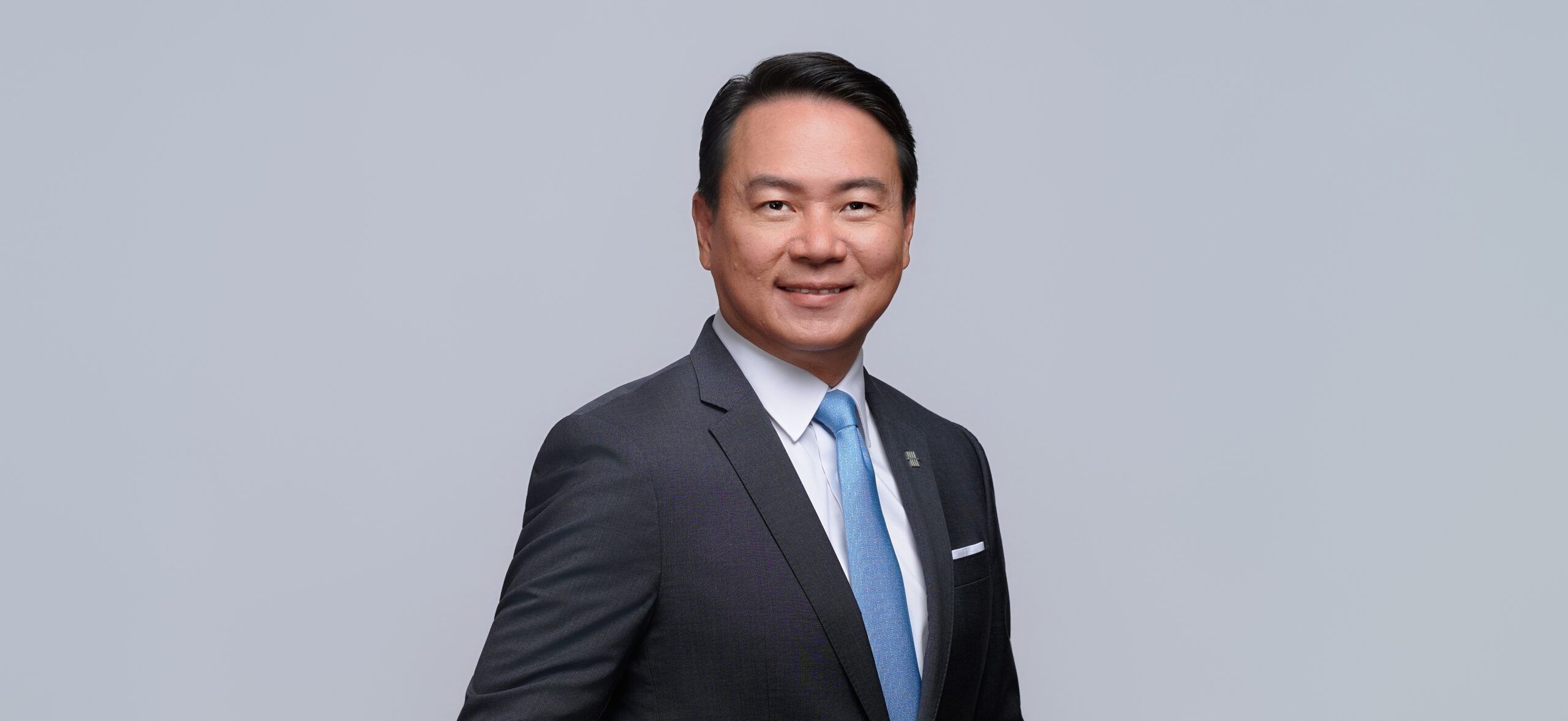
United Overseas Bank (UOB) said the newly created role will see Tan Choon Hin lead growth across the region.
United Overseas Bank (UOB) said the newly created role will see Tan Choon Hin lead growth across the region.

The UK equity market’s low valuations, global exposure and company-specific opportunities offer potential upside, according to portfolio manager Laura Foll.

Amid elevated equity–bond correlations, certain hedge fund styles are likely to improve diversification and limit downside risk, Belle Liang, chief investment officer, CIO & investment advisory, Hang Seng Bank tells FSA.
Amid elevated equity–bond correlations, certain hedge fund styles are likely to improve diversification and limit downside risk, Belle Liang, chief investment officer, CIO & investment advisory, Hang Seng Bank tells FSA.

The rally in precious metals had relatively little to do with central banks, says Jupiter’s Ned Naylor-Leyland.
Sponsored by Loomis Sayles & Natixis
The Growth Equity Strategies Team at Loomis Sayles, an affiliate of Natixis Investment Managers, demonstrates that patience, discipline and conviction result in consistent, peer-leading risk-adjusted compounding over cycles.
Amid elevated equity–bond correlations, certain hedge fund styles are likely to improve diversification and limit downside risk, Belle Liang, chief investment officer, CIO & investment advisory, Hang Seng Bank tells FSA.
The rally in precious metals had relatively little to do with central banks, says Jupiter’s Ned Naylor-Leyland.
United Overseas Bank (UOB) said the newly created role will see Tan Choon Hin lead growth across the region.
United Overseas Bank (UOB) said the newly created role will see Tan Choon Hin lead growth across the region.
The UK equity market’s low valuations, global exposure and company-specific opportunities offer potential upside, according to portfolio manager Laura Foll.

FSA looks at the best performing global equity funds over June and July amidst a volatile unwind of a crowded artificial intelligence trade.
FSA looks at the best performing global equity funds over June and July amidst a volatile unwind of a crowded artificial intelligence trade.

This week FSA compares two Asia Pacific ex-Japan equity funds: the Fidelity Asian Special Situations fund and the JPMorgan SAR Asian fund.
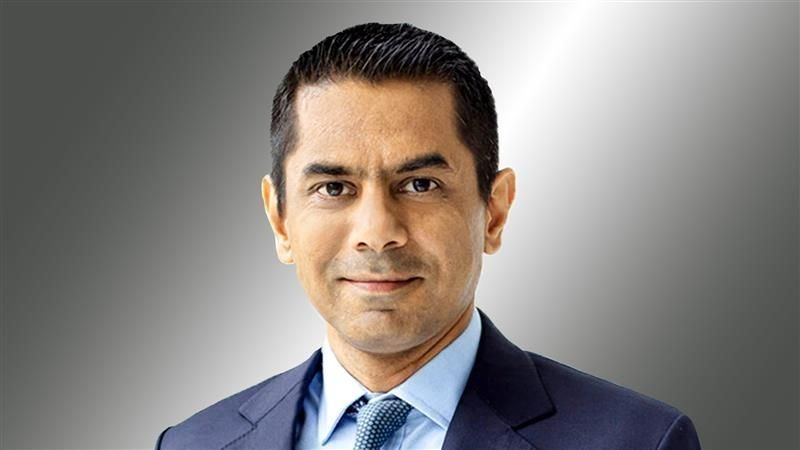
Investors should look beyond fashionable sectors as narrow market leadership leaves quality businesses trading at deeply discounted valuations, says Nitin Bajaj.
Investors should look beyond fashionable sectors as narrow market leadership leaves quality businesses trading at deeply discounted valuations, says Nitin Bajaj.
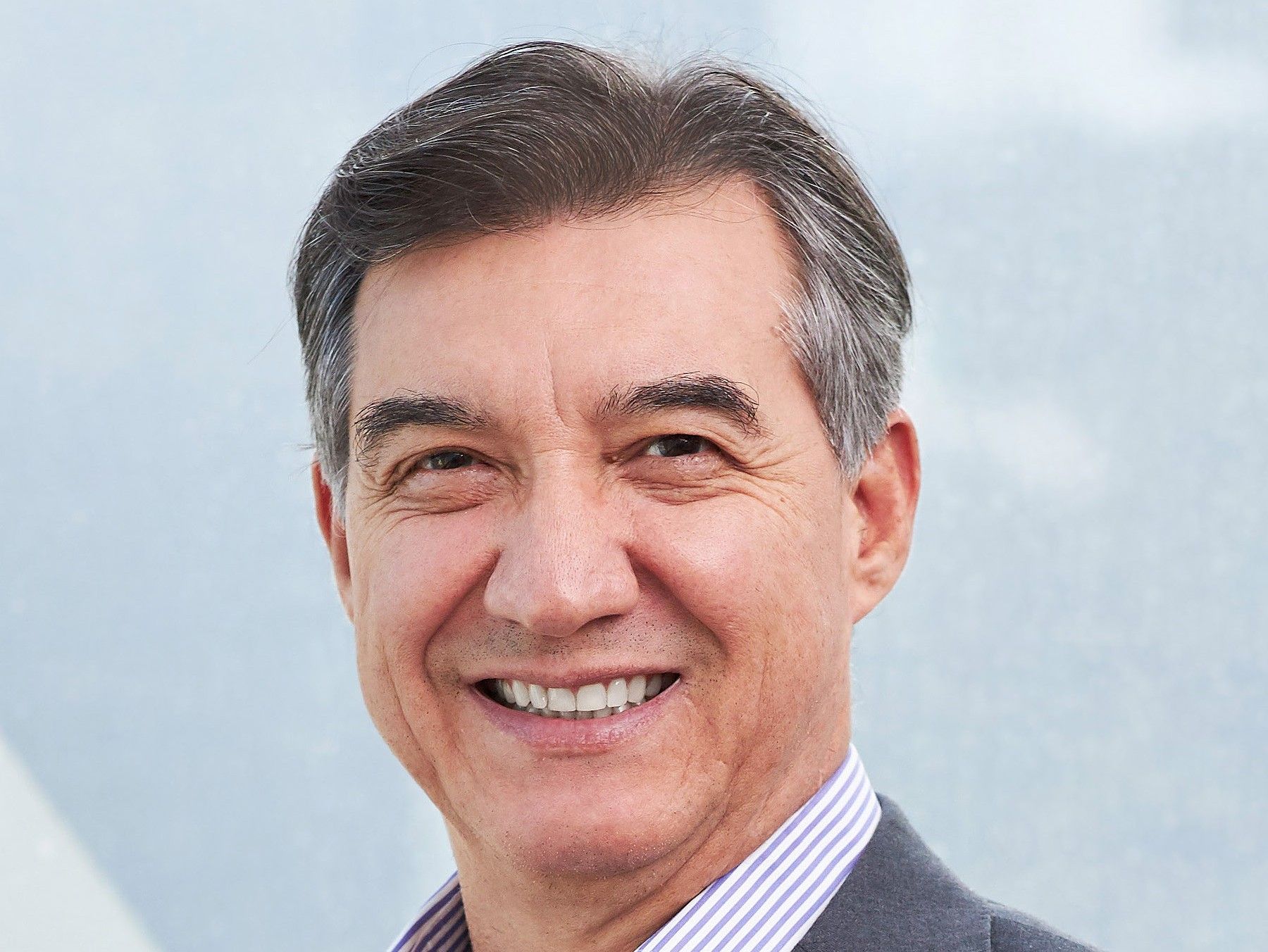
Sebastian Paredes, head of North Asia and CEO of DBS Bank (Hong Kong), will be retiring from executive duties.
Higher yields have created potential opportunities across bond markets, but tight credit spreads and growing divergence between economies mean investors need to be increasingly selective, according to Ninghui Liu, head of investment strategy and research for State Street Investment Management in APAC.


Fixed income investors should consider sovereign rates over corporate credit and look more closely at emerging and Asian bond markets as a higher-for-longer interest rate environment reshapes portfolio construction.
This aligns with Liu’s relatively constructive view on fixed income globally – despite uncertainty over monetary policy, he believes investors need to become increasingly selective.
Higher yields and steeper yield curves are creating more attractive opportunities to generate carry, while diverging central bank policies are driving greater dispersion between duration repricing of different markets.
The implications extend beyond developed markets. State Street also sees potential opportunities across both hard and local currency emerging market (EM) debt, an asset class on which Liu said the firm has turned bullish for the first time in around a decade.
One reason is that EM policymakers have generally been forward-thinking and proactive during this latest cycle, while some central banks in advanced economies have faced greater challenges responding to inflation and other macro pressures.
Within fixed income, Liu sees a clear distinction between sovereign bonds and corporate credit.
“We think there’s more [opportunity] residing on the rates rather than the corporate credit,” he said.
Credit spreads remain tight relative to historical levels and Liu does not believe valuations adequately compensate investors for potential volatility over the coming six to twelve months. “That’s the main argument: rates over credit.”
This does not mean taking indiscriminate sovereign exposure. Differences in inflation, fiscal policy and monetary conditions mean investors need to distinguish between individual government bond markets.
“We still prefer sovereign rates given the yield that they provide,” Liu explained. “The opportunities in that space are pretty ample, but you want to be more selective.”
Nor does he dismiss credit altogether. While conventional investment grade and high yield corporate valuations appear stretched, Liu sees potential bargains in structured credit and securitised products and, selectively, private credit.
The latter is particularly heterogeneous, making research and security selection critical to identifying opportunities.
Asia offers another source of diversification, but Liu cautions against treating the region as a single fixed income allocation.
Monetary conditions vary considerably across ASEAN, Northeast Asia and developed Asian markets, creating opportunities to combine markets with different risk-return characteristics.
Some ASEAN bond markets, for example, offer comparatively attractive yields, albeit with greater risk. Chinese government bonds, meanwhile, can play a different portfolio role: despite relatively low yields, they potentially offer stability and low volatility.
Ultimately, the need to differentiate between markets may be the defining investment challenge today.
Liu describes the landscape as increasingly “K shaped”, with AI investment, geopolitical developments and changing energy prices creating winners and losers across countries, sectors and asset classes.
That makes general directional allocations increasingly difficult. “You cannot make broad comments, let’s say, ‘I’m bullish on equity’ or ‘I’m bullish on bond’,” Liu said. “You have to be certain what you are talking about because even within equities or bonds, you can still make mistakes.”
For institutional / professional investors use only. Not for retail distribution.
Sponsored by State Street Investment Management. This content was produced by Fund Selector Asia, and its views do not constitute a recommendation by State Street Investment Management.

The region’s success is based on more than AI and semiconductors.
FSA looks at the best performing global equity funds over June and July amidst a volatile unwind of a crowded artificial intelligence trade.
Investors should look beyond fashionable sectors as narrow market leadership leaves quality businesses trading at deeply discounted valuations, says Nitin Bajaj.