Beyond AI: Three overlooked Asian stocks demonstrating long-term growth
The region’s success is based on more than AI and semiconductors.


The region’s success is based on more than AI and semiconductors.
The region’s success is based on more than AI and semiconductors.

FSA looks at the best performing global equity funds over June and July amidst a volatile unwind of a crowded artificial intelligence trade.

Amid elevated equity–bond correlations, certain hedge fund styles are likely to improve diversification and limit downside risk, Belle Liang, chief investment officer, CIO & investment advisory, Hang Seng Bank tells FSA.
Amid elevated equity–bond correlations, certain hedge fund styles are likely to improve diversification and limit downside risk, Belle Liang, chief investment officer, CIO & investment advisory, Hang Seng Bank tells FSA.

The rally in precious metals had relatively little to do with central banks, says Jupiter’s Ned Naylor-Leyland.
Sponsored by Loomis Sayles & Natixis
The Growth Equity Strategies Team at Loomis Sayles, an affiliate of Natixis Investment Managers, demonstrates that patience, discipline and conviction result in consistent, peer-leading risk-adjusted compounding over cycles.
Amid elevated equity–bond correlations, certain hedge fund styles are likely to improve diversification and limit downside risk, Belle Liang, chief investment officer, CIO & investment advisory, Hang Seng Bank tells FSA.
The rally in precious metals had relatively little to do with central banks, says Jupiter’s Ned Naylor-Leyland.
The region’s success is based on more than AI and semiconductors.
The region’s success is based on more than AI and semiconductors.
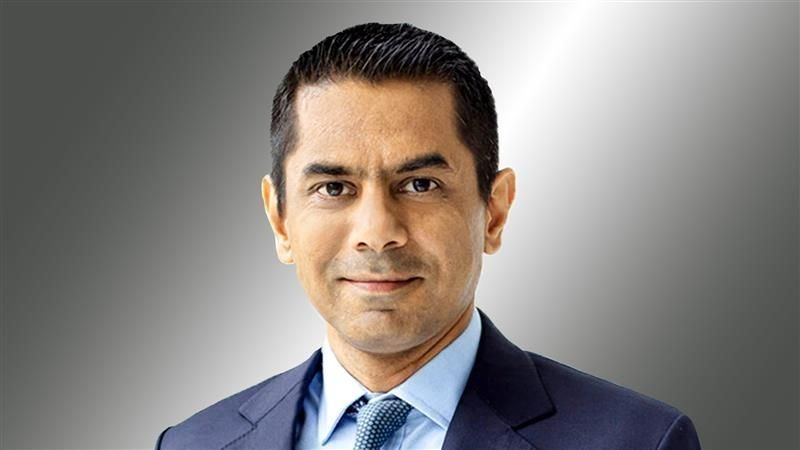
Investors should look beyond fashionable sectors as narrow market leadership leaves quality businesses trading at deeply discounted valuations, says Nitin Bajaj.
FSA looks at the best performing global equity funds over June and July amidst a volatile unwind of a crowded artificial intelligence trade.
FSA looks at the best performing global equity funds over June and July amidst a volatile unwind of a crowded artificial intelligence trade.

This week FSA compares two Asia Pacific ex-Japan equity funds: the Fidelity Asian Special Situations fund and the JPMorgan SAR Asian fund.
Investors should look beyond fashionable sectors as narrow market leadership leaves quality businesses trading at deeply discounted valuations, says Nitin Bajaj.
Investors should look beyond fashionable sectors as narrow market leadership leaves quality businesses trading at deeply discounted valuations, says Nitin Bajaj.
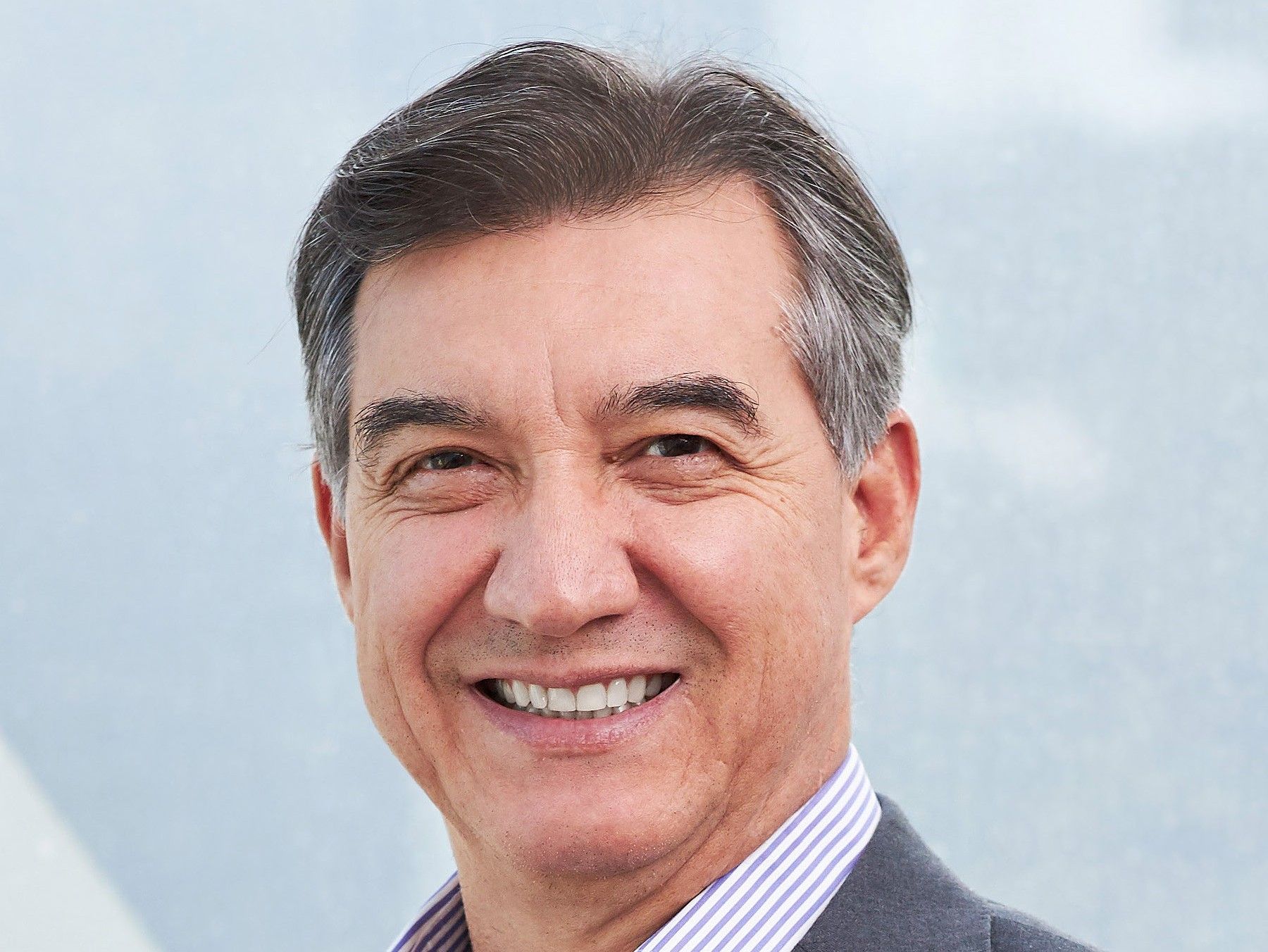
Sebastian Paredes, head of North Asia and CEO of DBS Bank (Hong Kong), will be retiring from executive duties.
Investors should look beyond fashionable sectors as narrow market leadership leaves quality businesses trading at deeply discounted valuations, says Nitin Bajaj.

Deep valuation discounts among select Chinese and Indonesian small caps are creating opportunities for value investors despite the dominance of AI-related stocks across Asian markets, according to Fidelity International’s Nitin Bajaj.
He believes increasingly narrow market leadership has left parts of the region overlooked, particularly further down the market-cap spectrum.
This comes as enthusiasm for AI has driven strong gains among hardware companies in Korea and Taiwan, widening the valuation gap between the market’s most expensive and cheapest stocks.
“Since I began managing Asian equities, we have been swimming against a powerful tide,” said Bajaj, portfolio manager of Fidelity Asian Values. “The most expensive part of the market has continued to become even more expensive, while the cheapest part has remained deeply undervalued.”
Bajaj acknowledges AI will transform industries but is wary about the expectations already reflected in valuations.
He pointed to the unprecedented capital expenditure flowing into AI infrastructure, with some estimates suggesting spending as a proportion of GDP is around twice that seen during the telecom build-out of the dot com era.
Such investment can support earnings for an extended period because one company’s capital expenditure becomes another’s revenue, he explained. But the sustainability of those earnings remains uncertain.
“The price you pay for a stock is certain, however the profits it may generate in the future remain uncertain,” Bajaj said.
Instead, his approach focuses on businesses capable of generating attractive long-term returns, supported by strong management teams and valuations that provide a margin of safety.
China, which represents around one-third of Bajaj’s portfolio, is one area where he continues to uncover opportunities.
Some smaller companies trade at just three- to five-times earnings, with market capitalisations below the cash held on their balance sheets.
One example is a large medical research platform which provides targeted academic marketing services to pharmaceutical firms.
When Fidelity invested, the company’s cash holdings were almost equivalent to its market capitalisation, despite the underlying business continuing to deliver double-digit growth.
Indonesia is another source of value. Fidelity’s holdings in this market trade at an average price-to-earnings ratio of around seven times while offering dividend yields of approximately 8.5%.
Bajaj highlighted one of the leading domestic banks, citing its strong deposit franchise, conservative underwriting and track record of generating returns on equity above 20%.
“These are not businesses you discover by screening a database,” Bajaj said of the small caps he favours in China and Indonesia. “You have to understand how they operate, how they create value and whether management can continue to allocate capital well over time.”
The current divergence reflects a broader tendency for capital and talent to chase fashionable sectors, according to Bajaj.
As investment floods into popular industries, competition can eventually put pressure on pricing, margins and profits. Conversely, declining competition in overlooked sectors can improve pricing power and profitability.
This underpins Bajaj’s continued conviction in Asian small-cap value despite recent underperformance.
“Every cycle feels exceptional while you are living through it, but market leadership changes over time,” he said.
For investors willing to look beyond current market leaders, he believes buying good businesses at sufficiently discounted valuations continues to offer attractive long-term return potential.
Sebastian Paredes, head of North Asia and CEO of DBS Bank (Hong Kong), will be retiring from executive duties.

The fund will be distributed to retail investors in Mainland China through Tianhong Asset Management.

Penny Low is part of Bank of Singapore’s Greater China and North Asia team.