Janus Henderson: UK equities have overlooked income and growth potential
The UK equity market’s low valuations, global exposure and company-specific opportunities offer potential upside, according to portfolio manager Laura Foll.


The UK equity market’s low valuations, global exposure and company-specific opportunities offer potential upside, according to portfolio manager Laura Foll.
The UK equity market’s low valuations, global exposure and company-specific opportunities offer potential upside, according to portfolio manager Laura Foll.

Active selection and global diversification can help investors capture attractive credit yields while maintaining quality and flexibility as AI-related issuance reshapes markets, says Sonali Pier.

Amid elevated equity–bond correlations, certain hedge fund styles are likely to improve diversification and limit downside risk, Belle Liang, chief investment officer, CIO & investment advisory, Hang Seng Bank tells FSA.
Amid elevated equity–bond correlations, certain hedge fund styles are likely to improve diversification and limit downside risk, Belle Liang, chief investment officer, CIO & investment advisory, Hang Seng Bank tells FSA.

The rally in precious metals had relatively little to do with central banks, says Jupiter’s Ned Naylor-Leyland.

Sponsored by Loomis Sayles & Natixis
The Growth Equity Strategies Team at Loomis Sayles, an affiliate of Natixis Investment Managers, demonstrates that patience, discipline and conviction result in consistent, peer-leading risk-adjusted compounding over cycles.
Amid elevated equity–bond correlations, certain hedge fund styles are likely to improve diversification and limit downside risk, Belle Liang, chief investment officer, CIO & investment advisory, Hang Seng Bank tells FSA.
The rally in precious metals had relatively little to do with central banks, says Jupiter’s Ned Naylor-Leyland.
The UK equity market’s low valuations, global exposure and company-specific opportunities offer potential upside, according to portfolio manager Laura Foll.
The UK equity market’s low valuations, global exposure and company-specific opportunities offer potential upside, according to portfolio manager Laura Foll.
Active selection and global diversification can help investors capture attractive credit yields while maintaining quality and flexibility as AI-related issuance reshapes markets, says Sonali Pier.

FSA looks at the best performing global equity funds over June and July amidst a volatile unwind of a crowded artificial intelligence trade.
FSA looks at the best performing global equity funds over June and July amidst a volatile unwind of a crowded artificial intelligence trade.

This week FSA compares two Asia Pacific ex-Japan equity funds: the Fidelity Asian Special Situations fund and the JPMorgan SAR Asian fund.
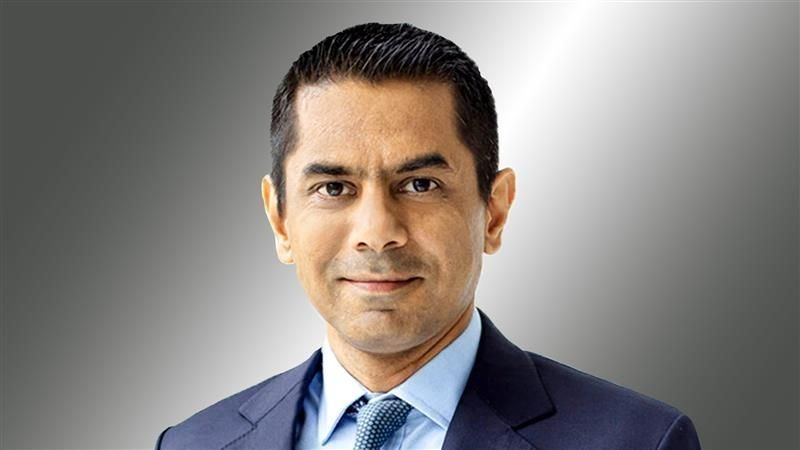
Investors should look beyond fashionable sectors as narrow market leadership leaves quality businesses trading at deeply discounted valuations, says Nitin Bajaj.
Investors should look beyond fashionable sectors as narrow market leadership leaves quality businesses trading at deeply discounted valuations, says Nitin Bajaj.
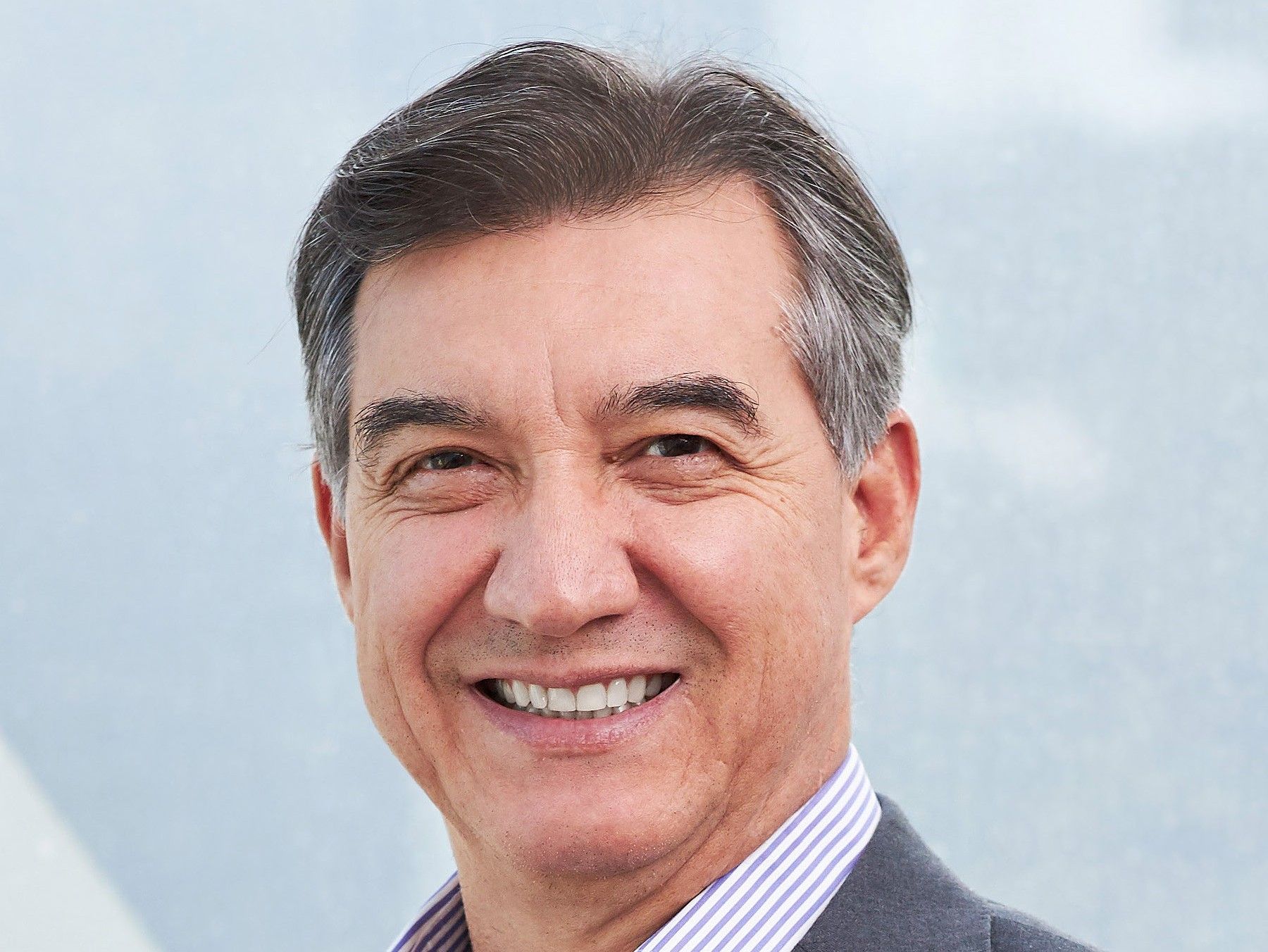
Sebastian Paredes, head of North Asia and CEO of DBS Bank (Hong Kong), will be retiring from executive duties.
Active selection and global diversification can help investors capture attractive credit yields while maintaining quality and flexibility as AI-related issuance reshapes markets, says Sonali Pier.

Credit investors do not necessarily need to sacrifice liquidity or move down in quality to generate attractive returns in today’s market.
With yields of close to 7% available from multi-sector credit portfolios, alongside the potential for additional alpha, Sonali Pier, portfolio manager, multi-sector credit at Pimco, believes investors can find compelling opportunities across higher-quality fixed income.
Yet capturing these returns requires a selective approach as heavy issuance, changing benchmark composition and uneven underwriting standards create growing differentiation across credit markets.
“This is an environment where active selection is going to be so important to make sure we’re getting relative value compensation for complexity, liquidity, economic sensitivity and covenant quality,” Pier explained.
Rather than viewing the opportunity set through a simple public-versus-private credit lens, investors should focus on whether they are being adequately compensated for the different risks they assume.
“It’s less about public or private credit. It’s more about adequate compensation for the difference in liquidity, quality and economic sensitivity,” she said.
This is particularly relevant when relatively attractive yields are already available in liquid markets.
“With a near 7% yield in multi-sector credit portfolios and the potential for additional alpha, investors potentially don’t need to give up liquidity to make higher returns,” Pier added.
For now, she believes investors have an opportunity to move up in quality and diversify globally while retaining the flexibility to rotate into more economically sensitive areas when relative valuations become more compelling.
The rapid build-out of AI infrastructure is also changing the credit opportunity set.
Pier said the impact is being felt across investment grade and high-yield bonds, asset-backed securities and direct lending, as new financing requirements generate issuance and alter the composition of market benchmarks.
Although Pimco does not expect a sharp increase in default rates, Pier pointed to periods of “rolling volatility” as another reason for investors to remain selective.
Underwriting standards are also an important consideration. Pier highlighted recent weaker underwriting and loose covenants as areas where fundamental credit research can help investors distinguish between issuers and structures.
The expanding opportunity set means investors need to assess different geographies, asset classes and individual companies’ capital structures rather than relying on broad market exposure, she added.
Global diversification can further improve the risk-return profile by allowing managers to compare opportunities across a wider range of markets.
Pier believes this combination of diversification and active management can enable portfolios to capture tactical opportunities as relative valuations shift.
“There’s opportunities across the high-quality fixed-income market that will allow investors to take advantage of tactical shifts in the ever-evolving market,” she said.
For investors, the objective is therefore not simply to maximise headline yields, but to ensure the returns available adequately compensate for the underlying risks.
“This is really an environment where potentially you can get liquidity, quality and yield without having to sacrifice one for the other,” Pier said.
Investors should look beyond fashionable sectors as narrow market leadership leaves quality businesses trading at deeply discounted valuations, says Nitin Bajaj.

The Malaysian firm has onboarded more covered call strategies for income generation, Affin Bank’s head of wealth investment advisory, Wong Kok Hong tells FSA.
This week FSA compares two Asia Pacific ex-Japan equity funds: the Fidelity Asian Special Situations fund and the JPMorgan SAR Asian fund.