Beyond AI: Three overlooked Asian stocks demonstrating long-term growth
The region’s success is based on more than AI and semiconductors.


The region’s success is based on more than AI and semiconductors.
The region’s success is based on more than AI and semiconductors.

FSA looks at the best performing global equity funds over June and July amidst a volatile unwind of a crowded artificial intelligence trade.
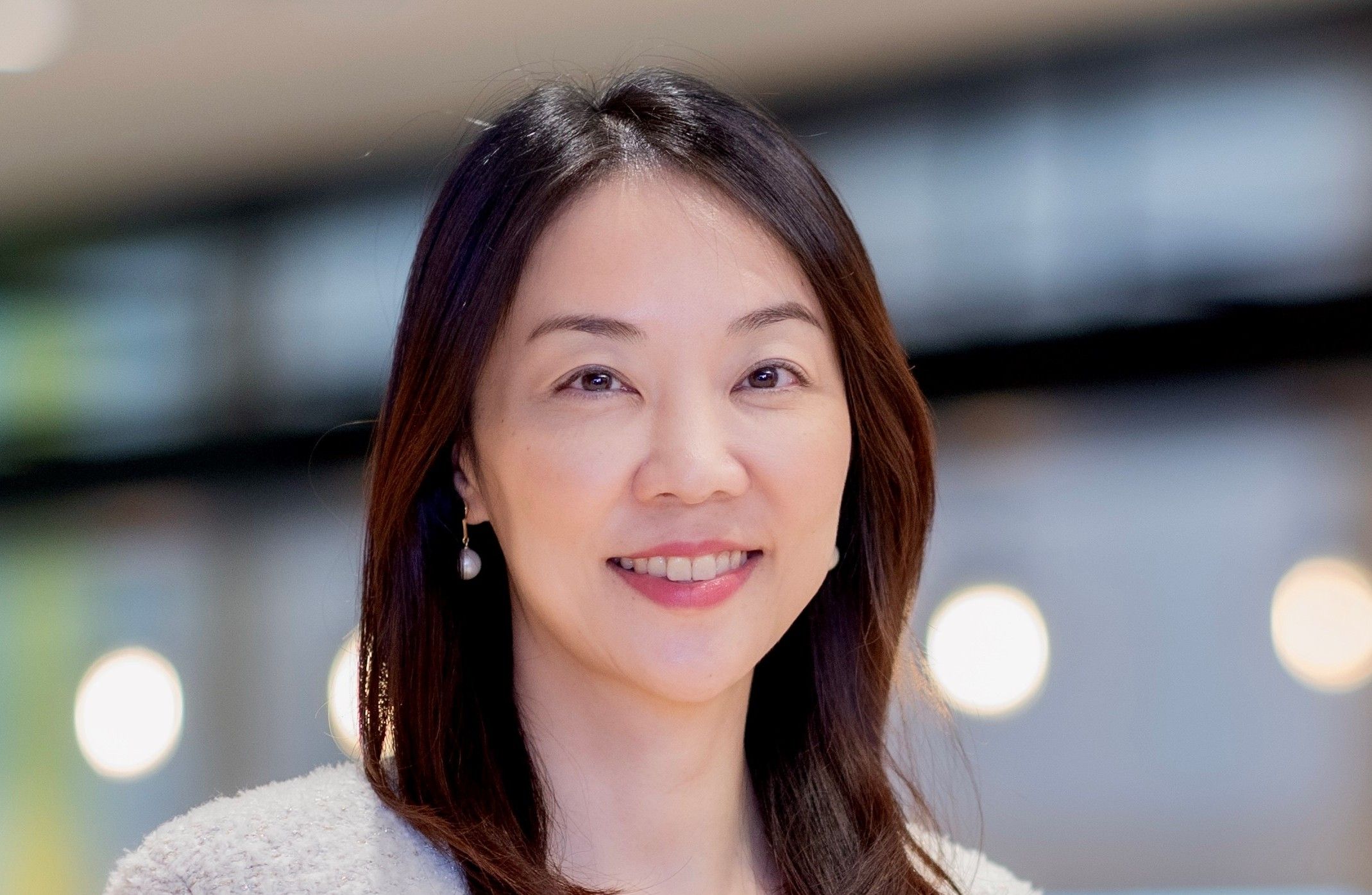
Amid elevated equity–bond correlations, certain hedge fund styles are likely to improve diversification and limit downside risk, Belle Liang, chief investment officer, CIO & investment advisory, Hang Seng Bank tells FSA.
Amid elevated equity–bond correlations, certain hedge fund styles are likely to improve diversification and limit downside risk, Belle Liang, chief investment officer, CIO & investment advisory, Hang Seng Bank tells FSA.

The rally in precious metals had relatively little to do with central banks, says Jupiter’s Ned Naylor-Leyland.
Sponsored by Loomis Sayles & Natixis
The Growth Equity Strategies Team at Loomis Sayles, an affiliate of Natixis Investment Managers, demonstrates that patience, discipline and conviction result in consistent, peer-leading risk-adjusted compounding over cycles.
Amid elevated equity–bond correlations, certain hedge fund styles are likely to improve diversification and limit downside risk, Belle Liang, chief investment officer, CIO & investment advisory, Hang Seng Bank tells FSA.
The rally in precious metals had relatively little to do with central banks, says Jupiter’s Ned Naylor-Leyland.
The region’s success is based on more than AI and semiconductors.
The region’s success is based on more than AI and semiconductors.
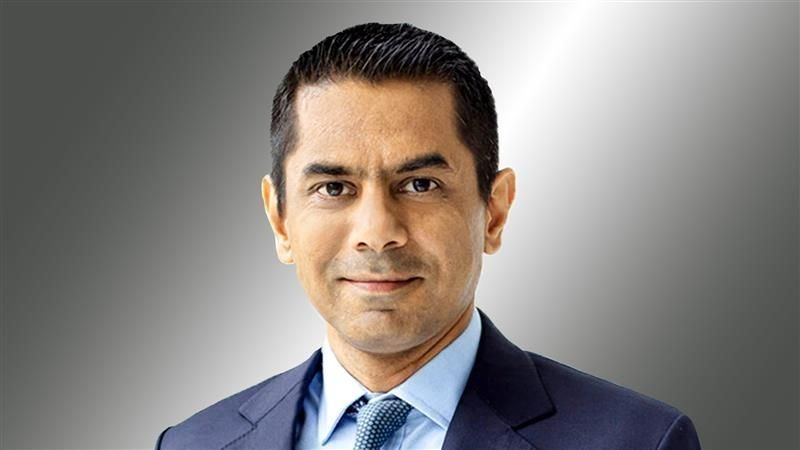
Investors should look beyond fashionable sectors as narrow market leadership leaves quality businesses trading at deeply discounted valuations, says Nitin Bajaj.
FSA looks at the best performing global equity funds over June and July amidst a volatile unwind of a crowded artificial intelligence trade.
FSA looks at the best performing global equity funds over June and July amidst a volatile unwind of a crowded artificial intelligence trade.

This week FSA compares two Asia Pacific ex-Japan equity funds: the Fidelity Asian Special Situations fund and the JPMorgan SAR Asian fund.
Investors should look beyond fashionable sectors as narrow market leadership leaves quality businesses trading at deeply discounted valuations, says Nitin Bajaj.
Investors should look beyond fashionable sectors as narrow market leadership leaves quality businesses trading at deeply discounted valuations, says Nitin Bajaj.
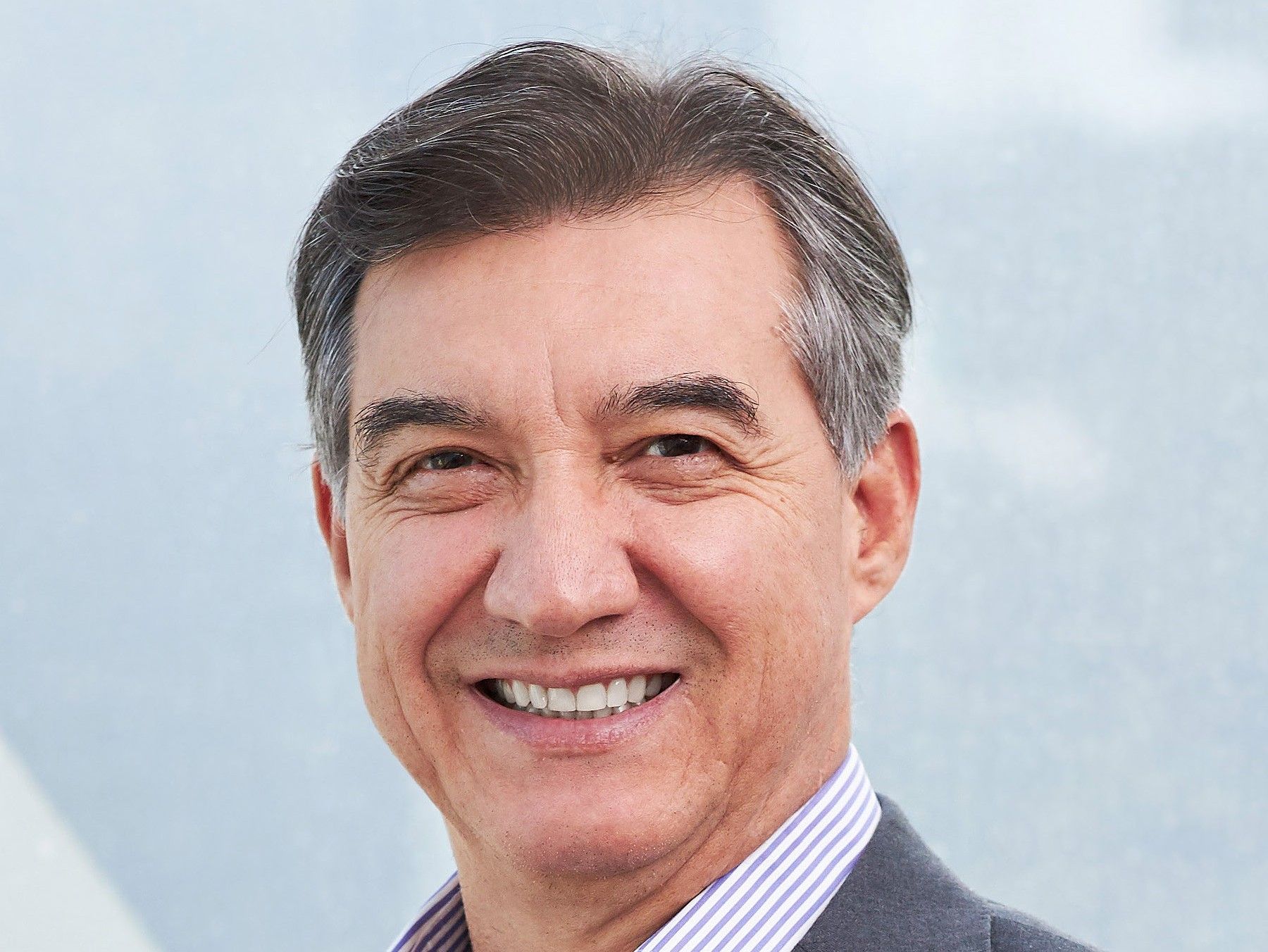
Sebastian Paredes, head of North Asia and CEO of DBS Bank (Hong Kong), will be retiring from executive duties.
The region’s success is based on more than AI and semiconductors.

By Abbas Barkhordar, portfolio manager of the Schroder AsiaPacific fund
When talking with investors about Asia today, the conversation frequently turns quickly to technology. Artificial intelligence (AI), semiconductors and the companies building the infrastructure behind them dominate the discussion – and with good reason. Asia sits at the heart of the global technology supply chain, and the region is home to some of the businesses most important to the AI story. The excitement is justified, and explains our overweight to the technology sector.
But technology is only part of the picture. The sector has dominated returns in recent months but, inevitably, that will not always be the case. As and when markets broaden, investors will need to rely on exposure to a wider range of growth opportunities.
Fortunately, Asia is the beneficiary of a number of long-term structural growth themes, which are currently receiving far less attention than technology. For example, rising consumer spending, increasing financial penetration, the modernisation of retail, growing travel demand, industrial innovation and investment in energy infrastructure are all gathering pace across the region, creating a wealth of opportunity for active investors prepared to look beyond the AI winners.
Indeed, the opportunity is amplified by the impact that short-term popularity can have on valuations. Crowded trades can become expensive as capital concentrates in a small number of well-understood names. Areas that suffer investor neglect, by contrast, can often be where the most compelling long-term opportunities are found.
See also: Artemis’s Tamworth: British bosses on why it’s time to reappraise ‘AI losers’
To illustrate this point, here are three less well-known examples of genuine growth businesses that demonstrate these characteristics.
Midea is one of the world’s leading manufacturers of household appliances and the leading Chinese producer of air conditioning systems. Global demand for cooling is growing as temperatures rise and heatwaves become more frequent, and there is a significant opportunity as air conditioning adoption increases in markets across the world, including in Europe where penetration remains relatively low.
Midea’s success is not accidental. The company has invested consistently in research and development and has been a successful innovator across its product categories, resulting in steady market share gains. It is a good example of a business benefiting from rising consumer spending rather than technology trends, while also being well placed to meet the world’s growing need for cooling solutions as the climate warms.
Shipbuilding is a notoriously cyclical industry, and one where competition can be fierce. HD Hyundai Marine Solution offers a different and more reliable route in. The company focuses on ship engine maintenance and servicing rather than shipbuilding itself, which makes its revenues more predictable and recurring.
The backdrop is supportive. The global shipbuilding cycle is currently in an upswing, driven by demand for LNG (liquefied natural gas) vessels, container ships and oil tankers. Given the long lead times involved in delivering new ships, the company’s core activities look set to grow for many years into the future, particularly through its relationship with HD Hyundai Heavy Industries.
See also: AVI’s McGarry: Korean opportunities beyond the memory cycle
Shipping is not without risk – ongoing geopolitical tensions around key shipping lanes are a reminder of that. But we believe HD Hyundai Marine Solution’s dominant servicing position gives it a long runway for growth, with a less volatile earnings profile than the shipbuilders themselves.
MakeMyTrip is India’s leading online travel platform, with a strong position in domestic travel and hotel bookings. What makes the business particularly interesting is the structure of the market it serves.
India’s hotel market remains highly fragmented, with many hotels independently owned rather than part of large chains. Building and integrating its hotel inventory has been painstaking work, but it is now the source of a significant competitive advantage. Indeed, the inventory the company has assembled looks set to become more valuable as travel demand grows.
And demand is growing. Rising incomes are driving increased domestic tourism across India, and MakeMyTrip is helping to bring the country’s fragmented travel market online. It is a clear example of a structural growth story driven by domestic demand, rather than global semiconductor spending.
Technology remains a vital part of Asian growth, and a significant position in our portfolio. but Asia’s growth story is considerably broader than AI and semiconductors, and companies such as Midea, HD Hyundai Marine Solution and MakeMyTrip show where else that growth can be found.
These three holdings are not exceptions. They are indicative of the conviction we hold right across the portfolio – in businesses with durable competitive advantages, exposed to long-term structural growth trends. Finding them is how active management has repeatedly demonstrated its value in Asia.
Technology has driven much of the region’s recent returns, but history and logic suggest this won’t always be the case. As returns broaden out, we believe the strength of the portfolio’s holdings beyond the technology sector will become increasingly clear – and that it remains well placed to keep capturing Asia’s future growth.
This article first appeared in our sister publication, Portfolio Adviser.
Sebastian Paredes, head of North Asia and CEO of DBS Bank (Hong Kong), will be retiring from executive duties.
The fund will be distributed to retail investors in Mainland China through Tianhong Asset Management.
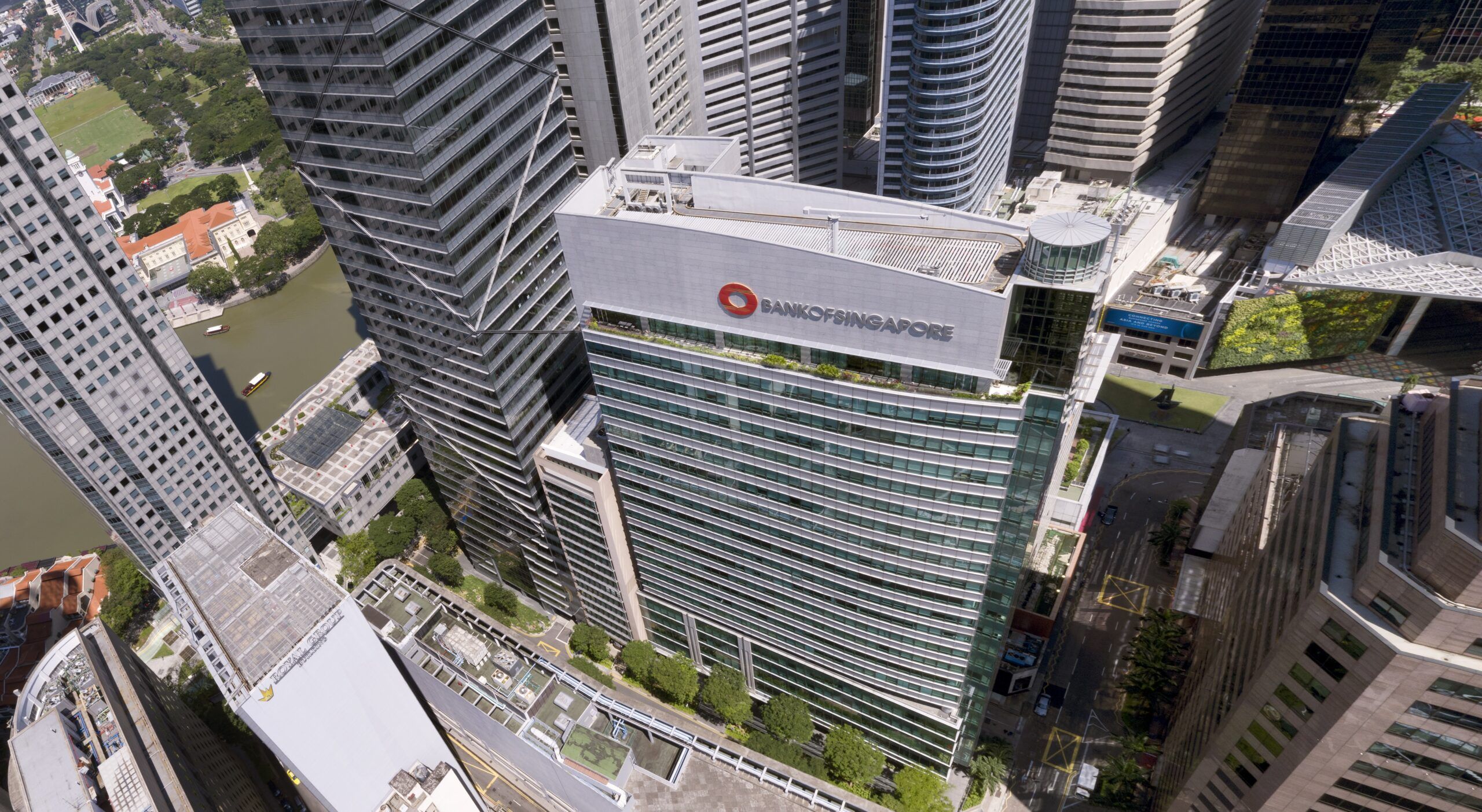
Penny Low is part of Bank of Singapore’s Greater China and North Asia team.