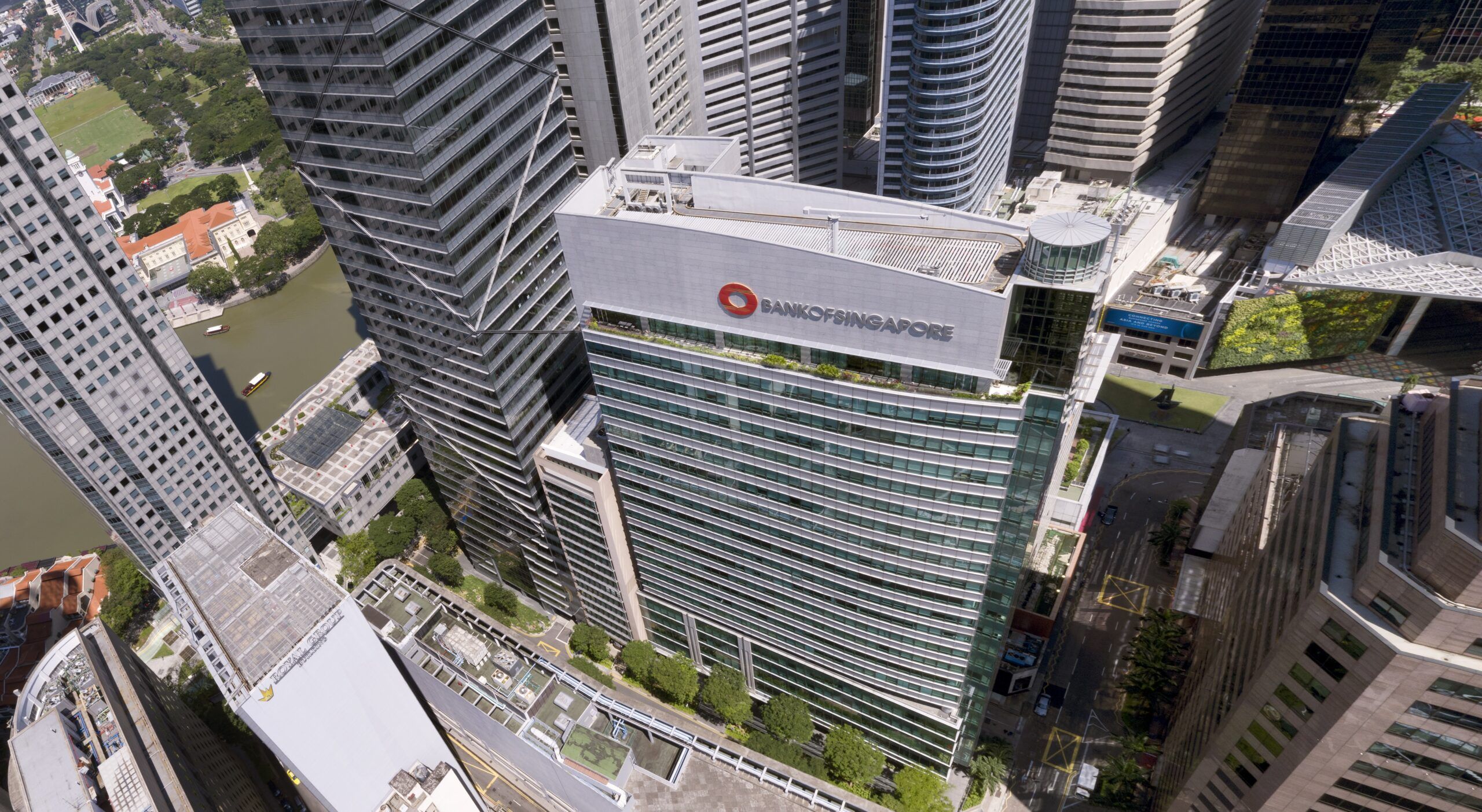
Bank of Singapore hires Penny Low from Deutsche Bank WM
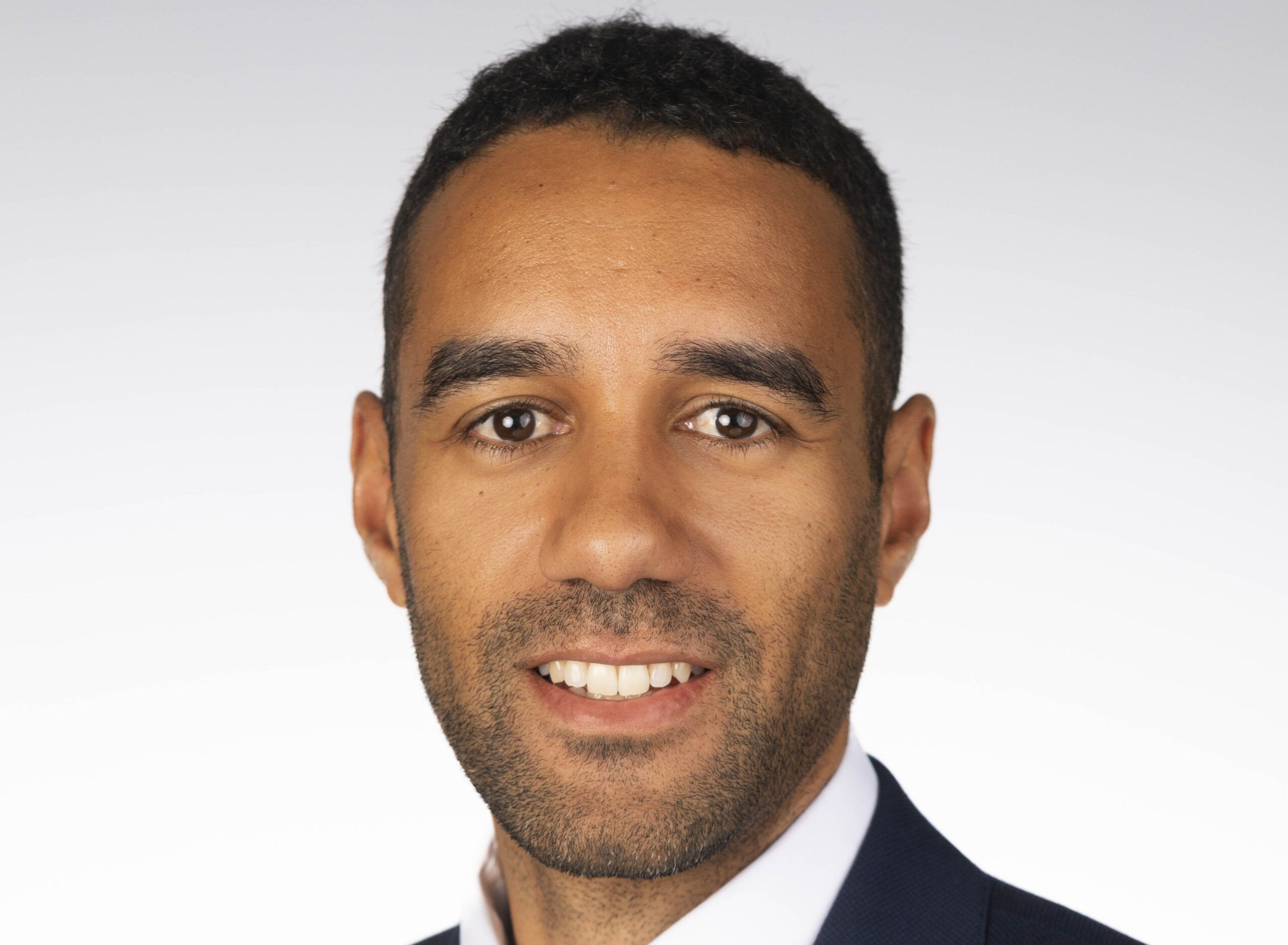
Penny Low is part of Bank of Singapore’s Greater China and North Asia team.

Penny Low is part of Bank of Singapore’s Greater China and North Asia team.
Penny Low is part of Bank of Singapore’s Greater China and North Asia team.
Sterling contributes to stock selection, portfolio construction and research into Japanese companies of all sizes.
Amid elevated equity–bond correlations, certain hedge fund styles are likely to improve diversification and limit downside risk, Belle Liang, chief investment officer, CIO & investment advisory, Hang Seng Bank tells FSA.
Amid elevated equity–bond correlations, certain hedge fund styles are likely to improve diversification and limit downside risk, Belle Liang, chief investment officer, CIO & investment advisory, Hang Seng Bank tells FSA.

The rally in precious metals had relatively little to do with central banks, says Jupiter’s Ned Naylor-Leyland.
Sponsored by Loomis Sayles & Natixis
The Growth Equity Strategies Team at Loomis Sayles, an affiliate of Natixis Investment Managers, demonstrates that patience, discipline and conviction result in consistent, peer-leading risk-adjusted compounding over cycles.
Amid elevated equity–bond correlations, certain hedge fund styles are likely to improve diversification and limit downside risk, Belle Liang, chief investment officer, CIO & investment advisory, Hang Seng Bank tells FSA.
The rally in precious metals had relatively little to do with central banks, says Jupiter’s Ned Naylor-Leyland.
Amid elevated equity–bond correlations, certain hedge fund styles are likely to improve diversification and limit downside risk, Belle Liang, chief investment officer, CIO & investment advisory, Hang Seng Bank tells FSA.
Amid elevated equity–bond correlations, certain hedge fund styles are likely to improve diversification and limit downside risk, Belle Liang, chief investment officer, CIO & investment advisory, Hang Seng Bank tells FSA.

The BlackRock Investment Institute favours equities, durable income and limiting duration risk on a strategic horizon of five years or more.

McKinsey found that only 15% to 20% of HNWIs in the region have integrated life insurance into their wealth planning.
McKinsey found that only 15% to 20% of HNWIs in the region have integrated life insurance into their wealth planning.

FSA looks at the best performing global equity funds since the start of June during the volatile unwind of a crowded AI trade.

Real yields, diversification and improving fundamentals makes the asset class an attractive opportunity, says WBIM.
Real yields, diversification and improving fundamentals makes the asset class an attractive opportunity, says WBIM.

Wealth management income for 1H26 rose 16% from the previous year.
Amid elevated equity–bond correlations, certain hedge fund styles are likely to improve diversification and limit downside risk, Belle Liang, chief investment officer, CIO & investment advisory, Hang Seng Bank tells FSA.

As part of a series of interviews with alternatives experts at Asian wealth managers and private banks, FSA speaks with Belle Liang, chief investment officer, CIO & investment advisory, Hang Seng Bank.
What key trends do you see in alternatives and how are they influencing your allocation decisions?
Demand is broadening beyond institutions, with growing retail access via evergreen and semi-liquid vehicles. A more volatile macroeconomic and geopolitical regime is making it harder to diversify using public markets alone.
In private equity, allocations are tilting to lower-obsolescence, real economy themes, for example, energy, industrials, defense, infrastructure-adjacent. In private credit, bank retrenchment remains supportive, but late-cycle risk is pushing preferences for senior secured deals, strong collateral and tighter covenants.
In real assets, infrastructure benefits from AI/data-centre capex, power and grid buildout, energy transition and security priorities, favouring essential assets with contracted or regulated revenues and inflation pass-through. Real estate remains uneven due to higher rates, refinancing pressure and patchy price discovery.
Hedge funds are back in focus as dispersion increases opportunities for macro, relative value and multi-strategy, reinforcing the need for strong managers and risk controls. Gold is supported by central bank buying and reserve diversification away from the US dollar.
What specific objectives would you hope to achieve with an alternative allocation?
Income throughprivate credit, infrastructure and real estate. We monitor distribution stability, non-accruals, defaults and recoveries versus public credit.
We gain diversification and downside protection from hedge funds and commodities. Important considerations are to assess drawdowns, recovery speed and stress behavior.
Inflation resilience can be provided by infrastructure, select real estate and gold. We monitor real returns and evidence of inflation pass-through.
Where are you most likely to allocate more within alternatives over the next 12 months?
With elevated equity–bond correlations likely to persist, we’d emphasise certain hedge fund styles to improve diversification and help limit downside risk. Given geopolitical instability and weaker fiscal discipline in some developed markets, we also see commodities, especially gold, as useful diversifiers during periods of economic or financial stress. Finally, inflation is likely to remain sticky, real assets, particularly infrastructure linked to long-term AI investment and with contractual inflation pass-through), should help sustain real yields, in our view.
What is the most common challenge or issue you’ve encountered when doing due diligence or assessing existing alternatives allocations?
The most common challenge is getting a clear, complete picture of what’s being offered. Alternatives often have less transparency and less standardised disclosure than traditional assets. As the market has grown, especially with newer evergreen structures, many strategies have shorter track records and limited public information, which raises the due diligence bar.
We therefore look beyond headline returns: assessing the team’s process and consistency, key performance drivers across market regimes, and where risks, such as liquidity, valuation and fees, sit. We also benchmark against appropriate peers to ensure results are judged in the right context.
McKinsey found that only 15% to 20% of HNWIs in the region have integrated life insurance into their wealth planning.
The world’s largest asset managers will raise $500bn in third-party capital to build “AI factories”.
The BlackRock Investment Institute favours equities, durable income and limiting duration risk on a strategic horizon of five years or more.