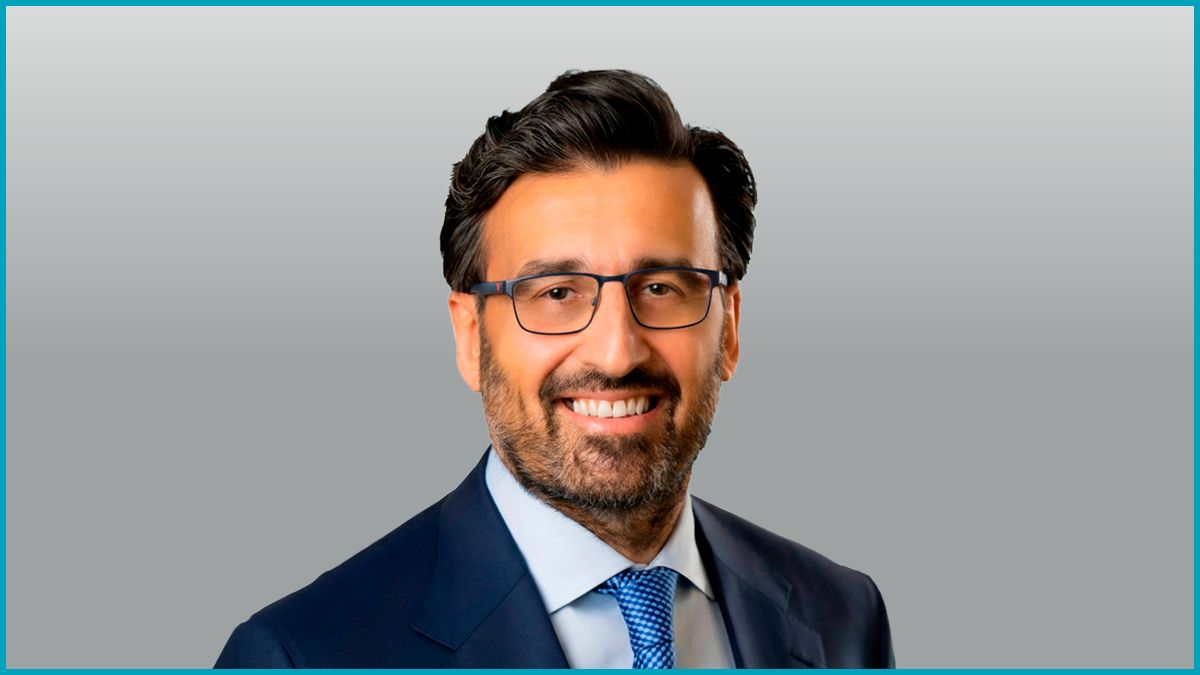
By Darius McDermott, managing director of FundCalibre
After two strong years in markets, investors might have been looking at 2025 with some trepidation. Yet, in spite of a backdrop of tariffs and trade wars, geopolitical tensions and precarious government finances, it has been a strong year for stockmarkets. However, investors have had to look beyond the obvious. Rather than the technology sector, the strong gains this year have come from China, precious metals, Europe and Japan.
The standout performers of 2025
Among the FundCalibre funds, Fidelity China Special Situations has risen 50.7%, while the JP Morgan China Growth & Income Trust is up 40%. The strength of China has helped a number of emerging markets funds to 30%+ returns – notably FP Carmignac Emerging Markets, Invesco Global Emerging Markets and M&G Global Emerging Markets.
A number of European and Japanese funds have also been strong. Funds such as Janus Henderson European Focus and European Smaller Companies funds have fully participated in the bounce back for European markets, while the Baillie Gifford Japan Trust has been a significant beneficiary of a Japanese revival.
It has also been one of the rare years in which certain assets have delivered triple-digit returns. Among the FundCalibre rated funds, three funds have delivered over 100% this year – WS Amati Strategic Metals, Jupiter Gold and Silver and Ninety One Global Gold. The precious metals complex has benefitted from a happy confluence of factors – the ‘safe haven’ trade, low expectations and worries over a weaker dollar.
Investors almost certainly would not have predicted these winners at the start of the year. Donald Trump was moving back into the White House, with an expansionist agenda that looked set to propel US stockmarkets higher. Equally, the protectionist measures looked set to dent the economies of China, emerging markets and Europe rather than turbo charge their stock markets.
The unpredictable nature of markets
It has been a salutary reminder that investors need to be in it to win it. Looking back over the discrete returns from our rated funds over the past few years, the strongest gains have come at unpredictable moments. For example, Baillie Gifford American delivered 121.8% in 2020, in the middle of the Covid pandemic that had confined us all to our homes and seen business grind to a halt. Scottish Mortgage Investment Trust rose 110.5% in the same year, JP Morgan China Growth & Income Trust came close, with a 97.5% return, while Allianz Technology Trust rose 80.3%.
These chunky single year gains tend to come because a sector has been significantly out of favour – and therefore investors need to time the right moment to enter – or because a sector is in a bubble and returns in subsequent years may be sluggish. A look at a longer timeline shows that investors need to take the rough with the smooth.
The long game
The annual Dalbar study in the US shows that time after time investors underperform the market because they tend to move in and out of the market at the wrong moment. They sell funds at the wrong time. Its latest Quantitative Analysis of Investor Behaviour (QAIB) report showed the average equity investor earned just 16.5% in 2024, compared with the S&P 500’s 25.1% return.
When we look towards FundCalibre funds with long-standing managers, 20 years or more, the strongest return comes from FSSA Greater China Growth, which has a 922.4% return over 20 years. However, investors would have had to deal with some tough years from 2021 to 2023. The fund has successfully aligned itself with China’s long-term growth since joining the World Trade Organisation in 2001, but that growth has not been linear, and investors have had to hold their nerve in order to stick it out.
Rathbone Global Opportunities is another standout 20-year performer, having delivered 897.5% to its investors over the period. Manager James Thomson’s approach is not to stick it all on red – he admits that in his 25 years at the firm he has never won Rathbone’s annual competition to pick the best-performing shares over the next 12 months.
Instead, he looks to build a balanced portfolio of companies with star quality, “easy to understand, different to their competitors, durable in the face of change and difficult to imitate”.
Over the years that has included a range of technology companies, but Thomson has recently pared back his exposure to AI on valuation concerns. This has seen him lag his peer group in 2025, but history suggests it is worth continuing to back his judgment.
Insurance has been another winner, with the Polar Capital Global Insurance fund up 714.8%. Insurance has been a beneficiary of demographic changes as life expectancy continues to increase and there is more demand for insurance products such as retirement or long-term care annuities. It has also benefitted from rising penetration in emerging markets, plus some efficiency gains from technology. Again, it has had a tough year in 2025, but it has often zigged when other areas have zagged – it was up 24.2% in 2022, for example – and investors will have needed to keep their nerve.
In each of these cases, the right approach has been to back a long-term theme (or themes in Thomson’s case) and stick with it through thick and thin. In most cases, performance has been lumpy, with big wins in one year followed by a tougher environment the next. 2025 has been another case in point. It has been a reminder of the importance of diversification and holding your nerve during the tough times.
This article first appeared in our sister publication, Portfolio Adviser.