MSIM hires former global CIO of HSBC Insurance
Mark Wang has joined Morgan Stanley Investment Management as insurance solutions strategist.

Mark Wang has joined Morgan Stanley Investment Management as insurance solutions strategist.
Mark Wang has joined Morgan Stanley Investment Management as insurance solutions strategist.

Superior earnings growth will support Asian equities in the second half of this and into 2027, say Eastspring strategists.

The Hong Kong-based private equity firm has raised $300 million for its strategy.
The Hong Kong-based private equity firm has raised $300 million for its strategy.

Roy Gori was president and CEO of Manulife from 2017 to 2024.
Sponsored by Loomis Sayles & Natixis
The Growth Equity Strategies Team at Loomis Sayles, an affiliate of Natixis Investment Managers, demonstrates that patience, discipline and conviction result in consistent, peer-leading risk-adjusted compounding over cycles.
Asian bonds offer attractive yields, diversification and robust credit fundamentals, BlackRock’s Stephen Gough tells FSA.
The Hong Kong-based private equity firm has raised $300 million for its strategy.
Superior earnings growth will support Asian equities in the second half of this and into 2027, say Eastspring strategists.
Superior earnings growth will support Asian equities in the second half of this and into 2027, say Eastspring strategists.
Asian bonds offer attractive yields, diversification and robust credit fundamentals, BlackRock’s Stephen Gough tells FSA.

Europe and the UK dominated dividend distributions in the second quarter.
Europe and the UK dominated dividend distributions in the second quarter.
Wealthy investors are also broadening their portfolios for long-term growth.
Wealthy investors are also broadening their portfolios for long-term growth.
Wealthy investors are also broadening their portfolios for long-term growth.
The Hong Kong-based private equity firm has raised $300 million for its strategy.
Superior earnings growth will support Asian equities in the second half of this and into 2027, say Eastspring strategists.

Confidence in Asian hardware producer earnings estimates are likely to be bolstered by continued US cloud and tech company conviction in their own capex plans.
“To be sure, earnings estimates for tech hardware producers have been revised up further over the past month. We view this as underpinning our thesis that Asian equities will outperform the US through the second half of this year and into 2027, driven by superior earnings growth,” according to Eastspring Investment’s strategists.
Markets are looking both for signs that Mag-7 spending on AI capex is beginning to produce returns and for their commitment to their massive spending guidance.
“We think it may be too early for the former but still expect US companies to remain committed to their aggressive capex plans,” wrote Vis Nayar, chief investment officer, Ray Farris, chief economist, and Viola Wang, economist, in a note.
Meanwhile, markets this week are focussing on the decisions and sentiments of three G7 central banks, although there is a consensus expectation that they will keep interest rates on hold.
“If that is correct, it will shift the focus to the post-meeting briefings where the Bank of England and the Bank of Japan will give guidance in contrast to Fed chairman Warsh who is likely to try to avoid leading markets about the Fed’s thinking,” said the strategists.
They point out that the significance of the central bank meetings lies heavily with their implications for US dollar directionality. Asia’s currencies tend to trade on individual country fundamentals when the US dollar is directionless versus the major currencies but tend to trend with the US dollar when it trends against the majors, they noted.
The dollar has lost momentum recently as higher energy prices have pushed up front-end yields in G7 countries relative to US yields. To regain appreciation momentum, the dollar requires either the Fed to turn more hawkish or the other G7 central banks to turn more dovish.
A stronger dollar supported by a hawkish Fed would renew pressure for Asian currency depreciation and so pressure on Asian central banks to counter this with policy rate hikes. India, Indonesia, Japan, and the Philippines are most at risk, followed by Korea,” Eastspring concluded.
Europe and the UK dominated dividend distributions in the second quarter.
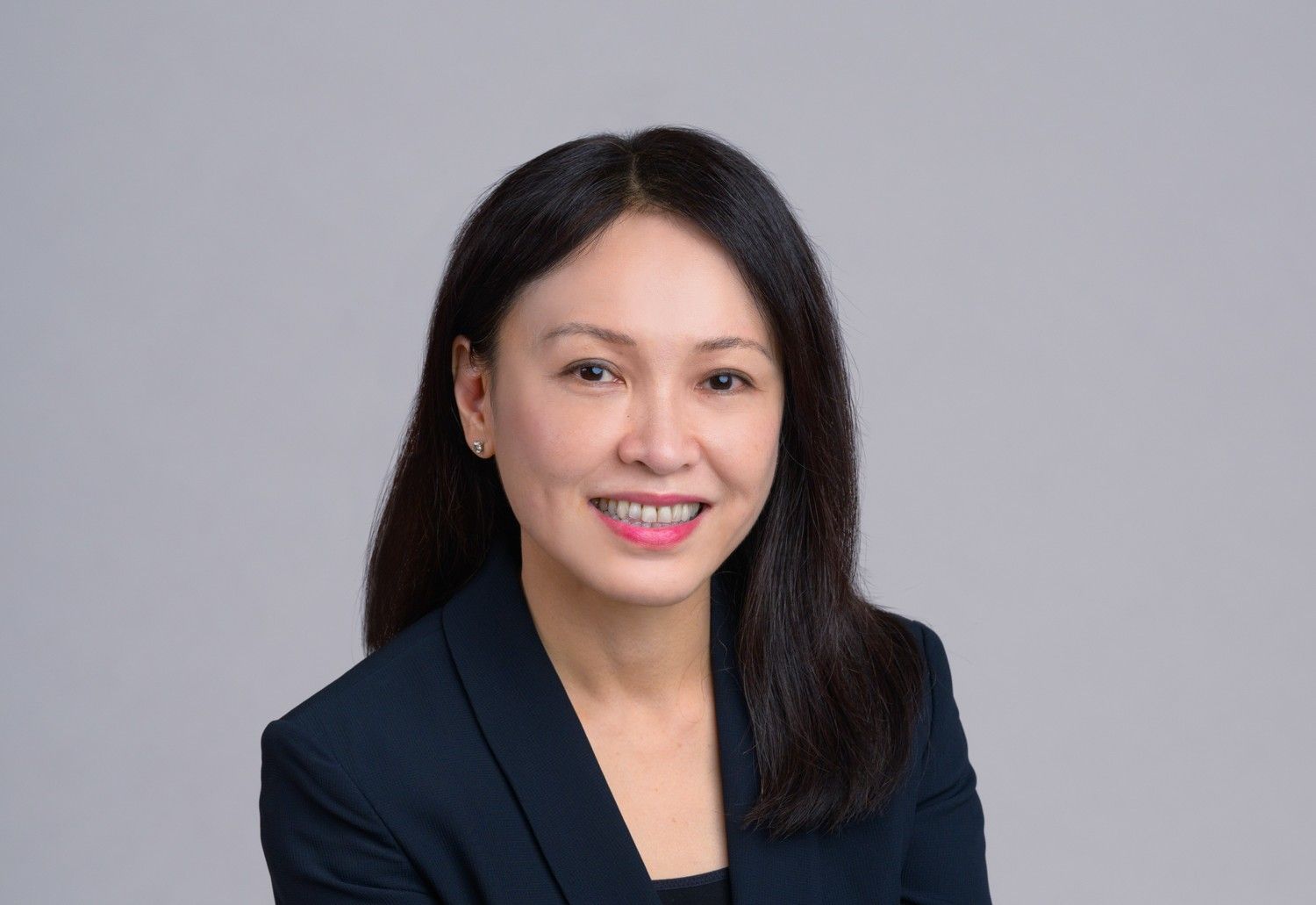
Allen Chiu, head of discretionary and funds specialists, Hong Kong, will cover Lim’s role on an interim basis.
Wealthy investors are also broadening their portfolios for long-term growth.