Value Partners debuts Optical Communication Active ETF
Value Partners has listed its first AI-themed active ETF in Hong Kong.

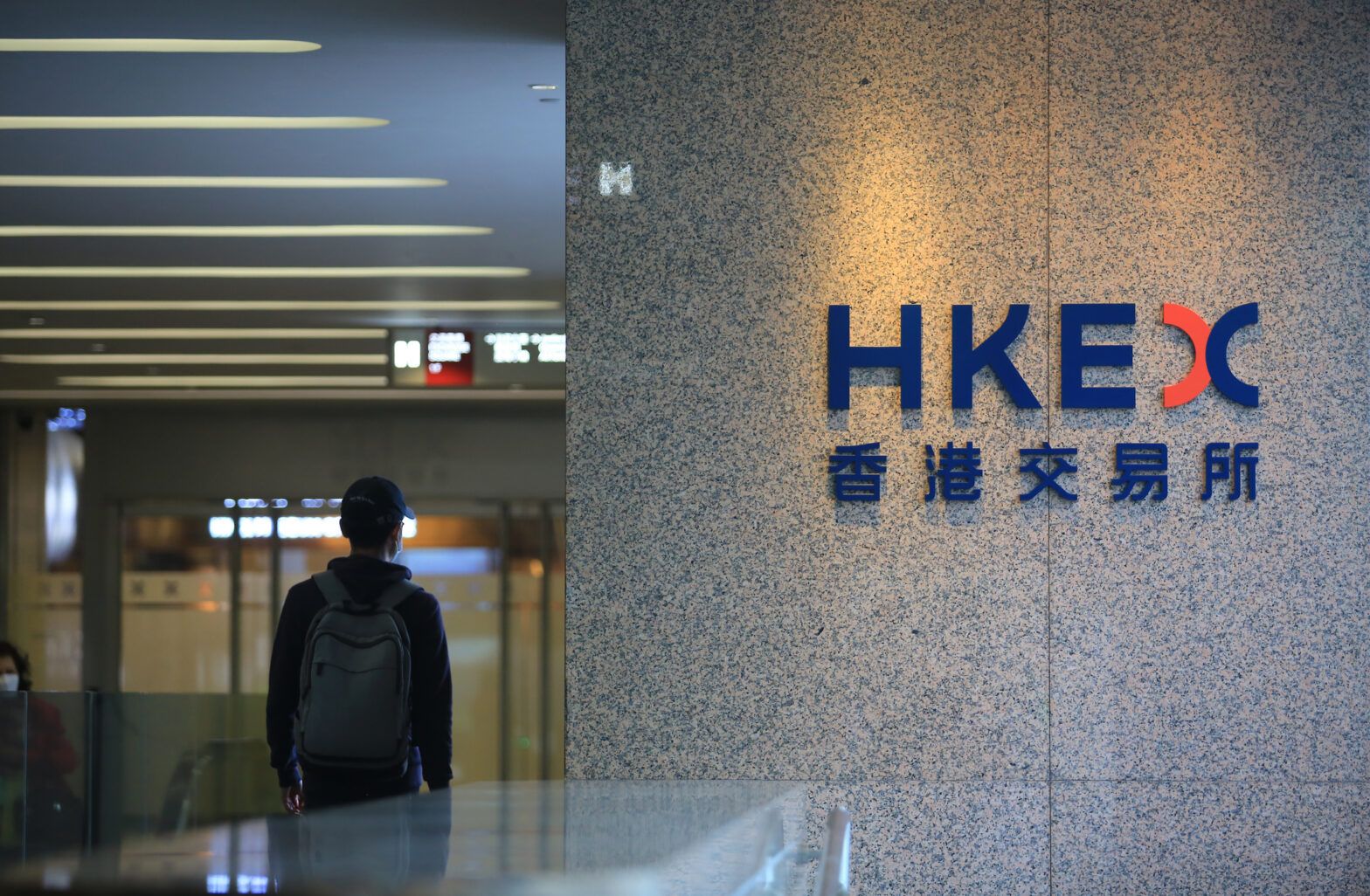
Value Partners has listed its first AI-themed active ETF in Hong Kong.
Value Partners has listed its first AI-themed active ETF in Hong Kong.
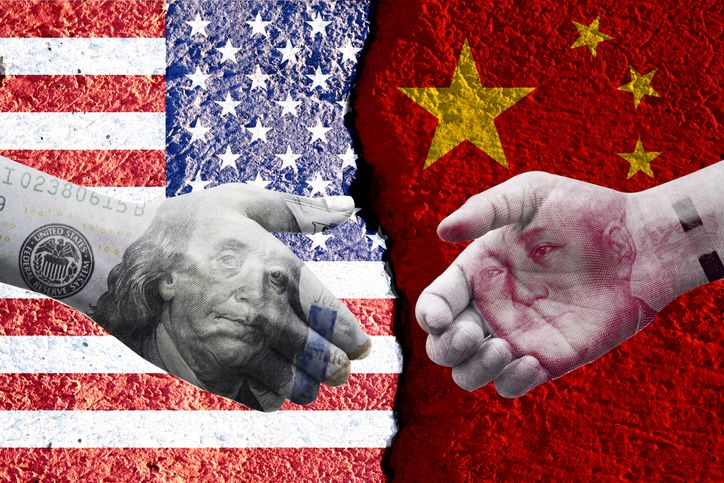
The funds are focused on China-US and China-global investment themes.

Macro and geopolitical volatility is causing managers to struggle to execute long term, according to the report.
Macro and geopolitical volatility is causing managers to struggle to execute long term, according to the report.

It marks the largest closed-ended commingled private equity fund raised by the asset manager.
Sponsored by Loomis Sayles & Natixis
The Growth Equity Strategies Team at Loomis Sayles, an affiliate of Natixis Investment Managers, demonstrates that patience, discipline and conviction result in consistent, peer-leading risk-adjusted compounding over cycles.

Investors are starting to close their underweights to the long neglected asset class, according to State Street’s Masahiko Loo.
Macro and geopolitical volatility is causing managers to struggle to execute long term, according to the report.
Investors are starting to close their underweights to the long neglected asset class, according to State Street’s Masahiko Loo.
Investors are starting to close their underweights to the long neglected asset class, according to State Street’s Masahiko Loo.
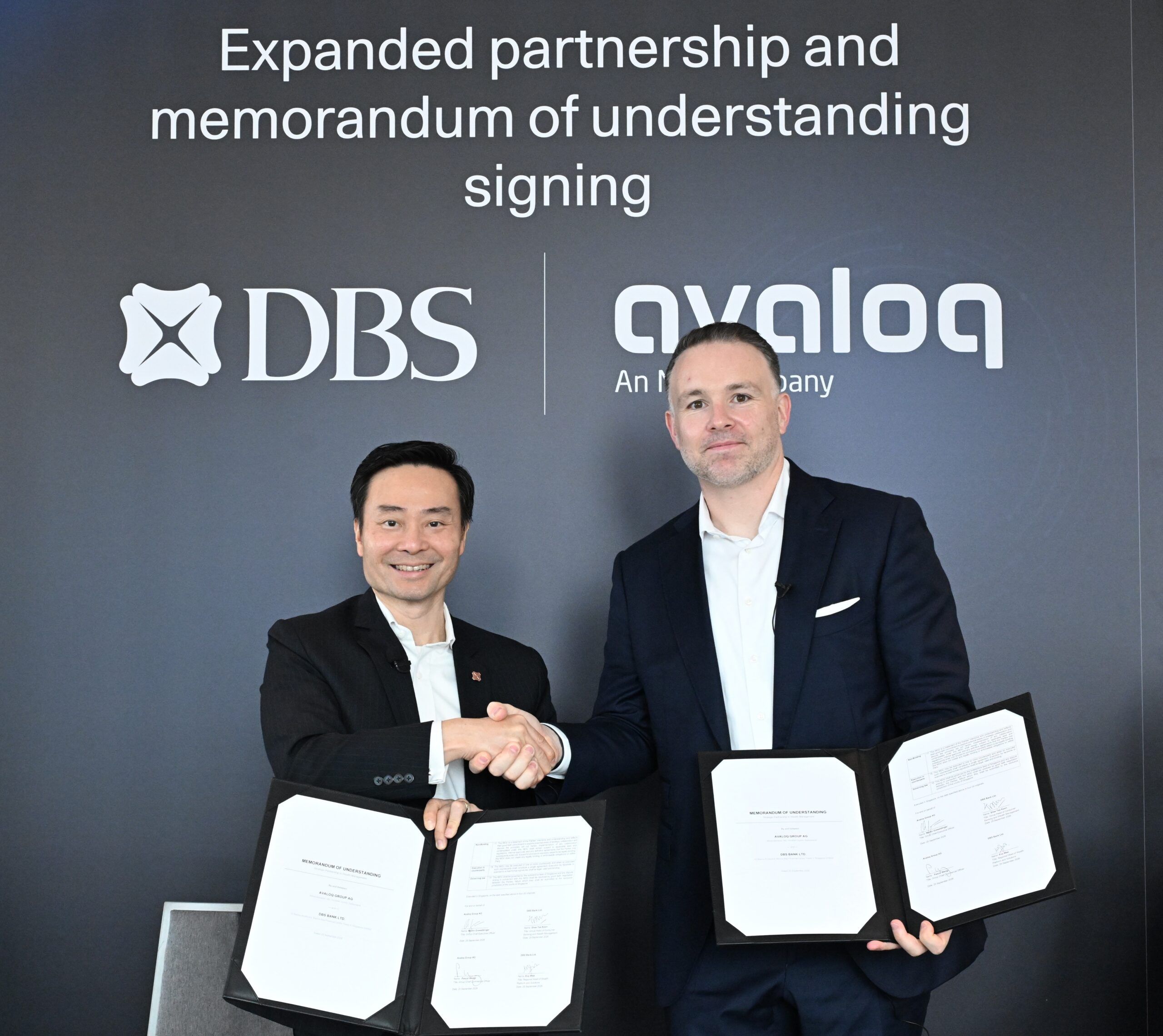
DBS and Avaloq expand their partnership to develop wealth management technology and adviser capabilities in Asia.

Passing on wealth is easier than preparing heirs to manage it, a Sun Life Asia study finds.
Passing on wealth is easier than preparing heirs to manage it, a Sun Life Asia study finds.

This week FSA compares the Schroder ISF US Small and Mid-Cap fund and the Capital Group Investment Company of America fund.
Value Partners has listed its first AI-themed active ETF in Hong Kong.
Value Partners has listed its first AI-themed active ETF in Hong Kong.
The funds are focused on China-US and China-global investment themes.
Passing on wealth is easier than preparing heirs to manage it, a Sun Life Asia study finds.

While more Asian families are formalising their legacy plans, concerns about preserving wealth across generations are rising. The proportion of individuals with a fully documented and communicated legacy plan more than doubled from 10% in 2025 to 22% in 2026, yet 70% worry their wealth may not survive beyond the next generation, according to a new survey by Sun Life Asia.
This suggests that successfully transferring wealth is increasingly about preparing heirs, not just passing on assets, it concluded.
Sun Life Asia’s latest Passing the Torch: When legacy means more than money report found a significant shift in how people across Asia think about the legacy they want to leave behind.
Nearly three-quarters (74%) of people surveyed intend to pass on values, knowledge or life lessons as part of their legacy plan alongside financial assets. At the same time, 70% worry their wealth may not be preserved beyond the next generation and only 20% say they feel fully prepared to pass on their legacy today, reinforcing the growing recognition that a lasting legacy depends not only on what is passed on, but whether future generations are equipped to manage it.
David Broom, chief client and distribution officer at Sun Life Asia, said: “A legacy plan is not complete simply because it’s been written down. It needs to give families a shared understanding of what the wealth is for, what principles should guide its use, and how the next generation can carry that responsibility forward. That is how planning on paper becomes something that can endure in practice.”
Anxiety is highest among those with the most time to plan. Three-quarters (76%) of Gen Z and Millennials worry their wealth won’t last, compared with 66% of Gen X and 59% of Baby Boomers. Yet younger people are also the most optimistic about the reach of what they leave, with 65% of Gen Z and 67% of Millennials believing their wealth will have a lasting, multi-generational impact, compared with 51% of Baby Boomers.
Yet, more than half (58%) of Gen X and Baby Boomers think the younger members of their family are more financially literate than they are, while 61% of Gen Z and Millennials say the same of the generation before them.
For Asia’s wealthiest families, the picture looks different. Where the general population worries most about family readiness and the risk of conflict over assets, high-net-worth individuals are far less concerned by the prospect of a family falling out.
One-fifth (20%) see disputes as a major threat to preserving wealth, compared with 34% across the general population surveyed. Their concerns lie instead with the fundamentals of preserving wealth: making the right investment decisions, managing tax and legal complexity, and having confidence in the institutions that manage it.
Sujoy Ghosh, CEO of Sun Life Private Wealth, said: “Preserving wealth for high-net-worth families is not simply about avoiding family conflict. Having confidence in the decisions that shape that wealth, from investments to how it is structured for the next generation, is equally important.”
“That makes trusted advice critical. Families increasingly need advisors who can bring the right expertise together, navigate complexity and help them make sound decisions across borders and generations.”
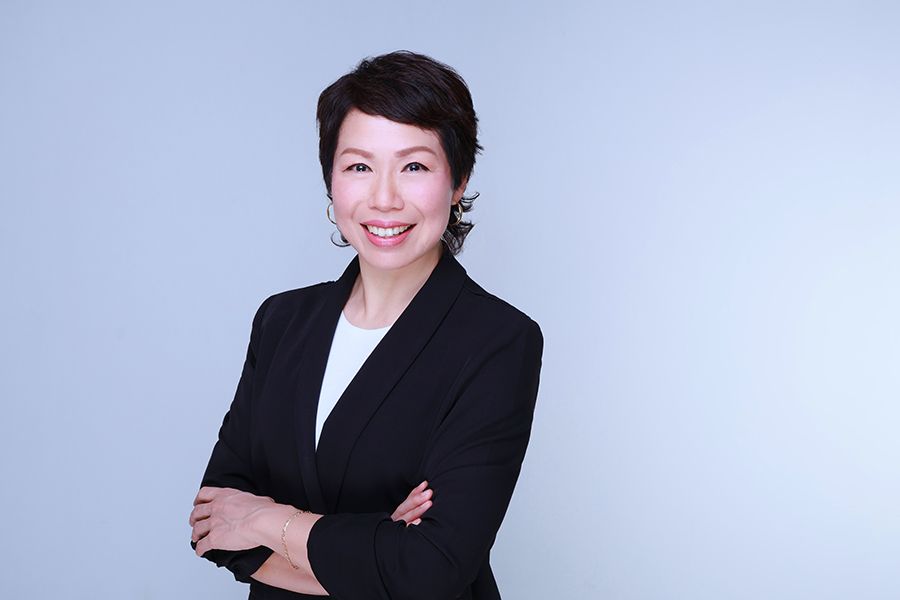
Aline Pacheco is joining Bank of Singapore as market group head for Asean.
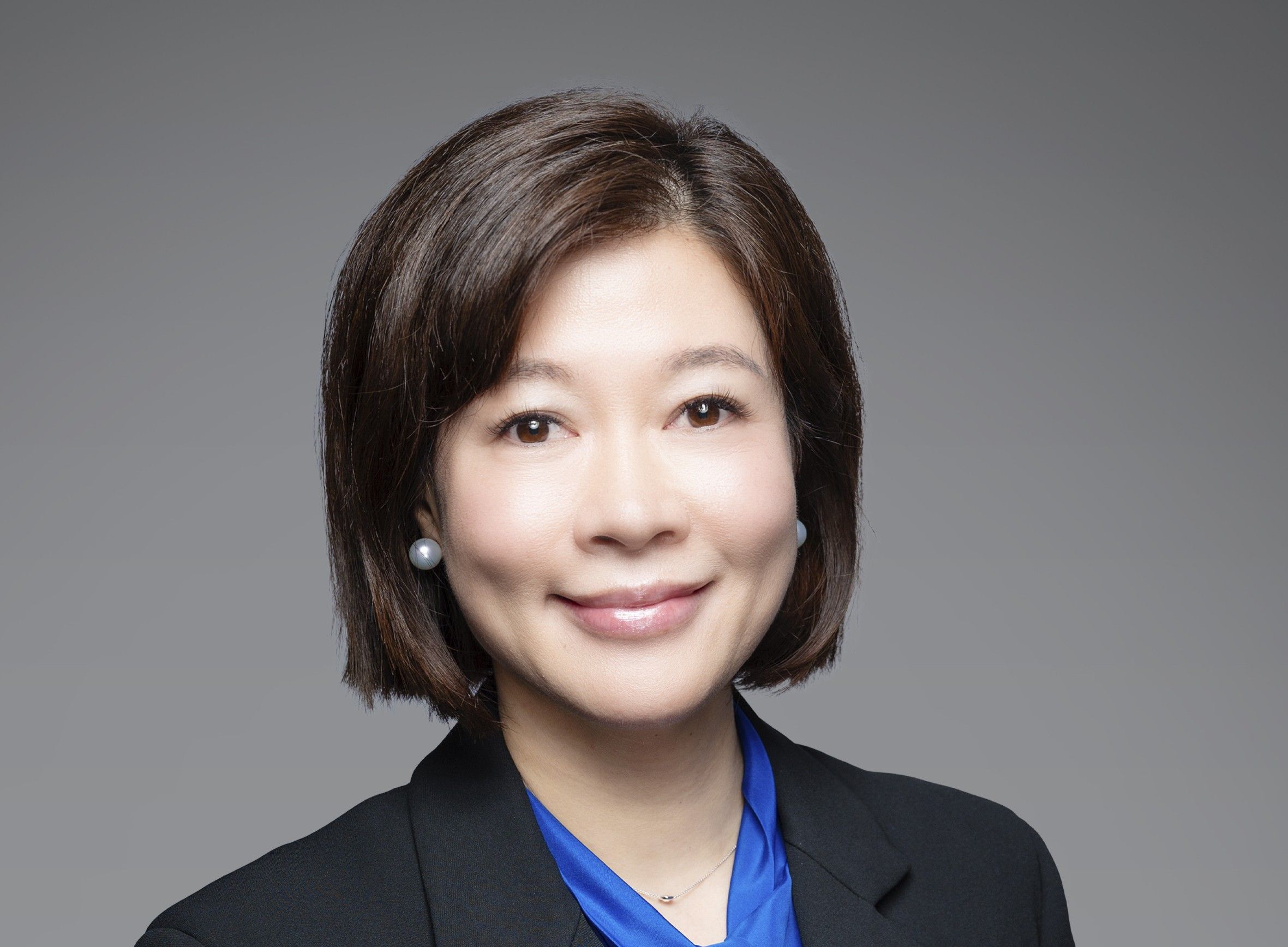
Sonya Song joins the team in Hong Kong and Jingjing He is in Zurich.
Investors are starting to close their underweights to the long neglected asset class, according to State Street’s Masahiko Loo.