Lombard Odier strengthens Asia private clients team
Sonya Song joins the team in Hong Kong and Jingjing He is in Zurich.

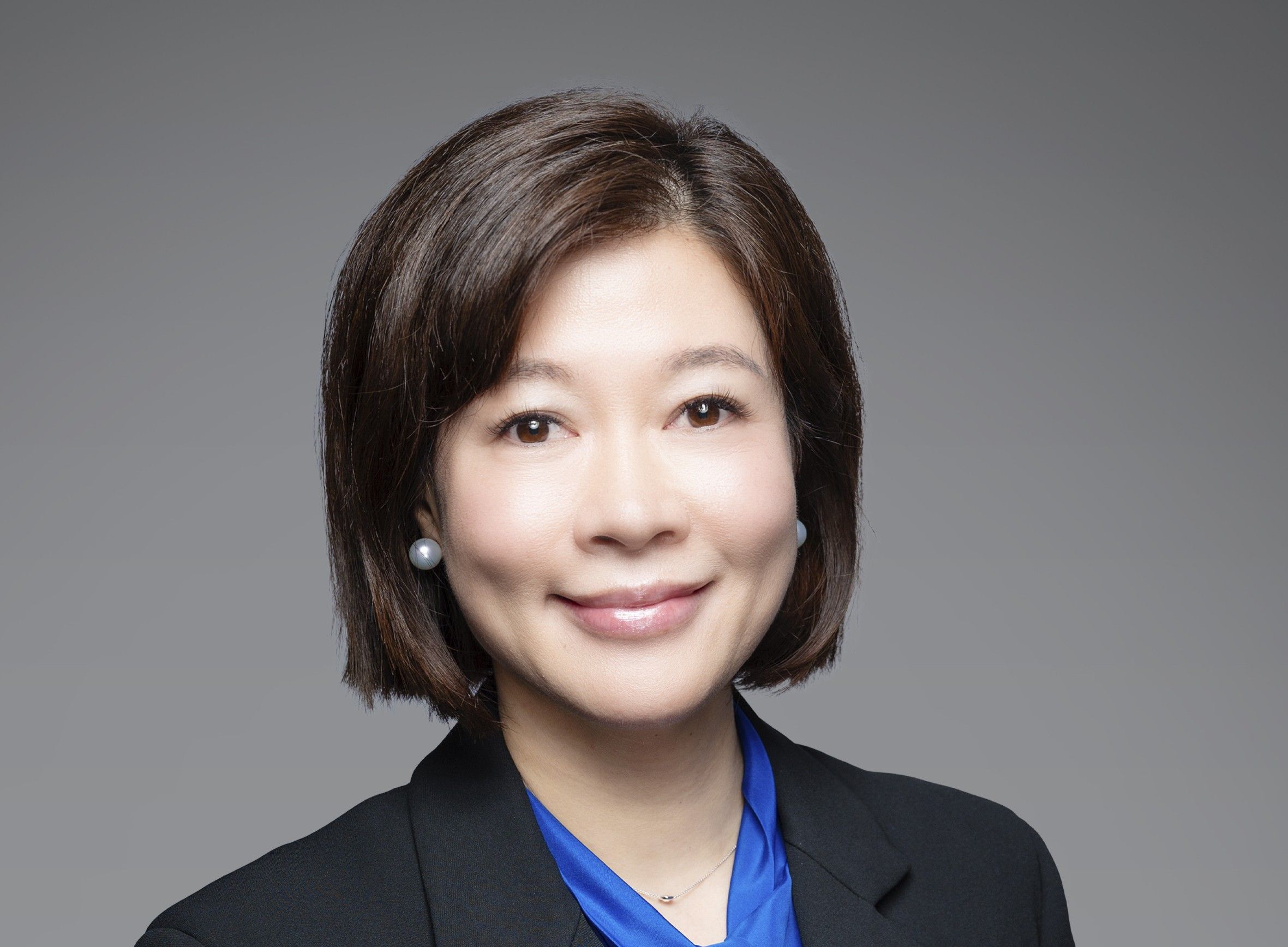
Sonya Song joins the team in Hong Kong and Jingjing He is in Zurich.
Sonya Song joins the team in Hong Kong and Jingjing He is in Zurich.

Investors are starting to close their underweights to the long neglected asset class, according to State Street’s Masahiko Loo.

Macro and geopolitical volatility is causing managers to struggle to execute long term, according to the report.
Macro and geopolitical volatility is causing managers to struggle to execute long term, according to the report.

It marks the largest closed-ended commingled private equity fund raised by the asset manager.
Sponsored by Loomis Sayles & Natixis
The Growth Equity Strategies Team at Loomis Sayles, an affiliate of Natixis Investment Managers, demonstrates that patience, discipline and conviction result in consistent, peer-leading risk-adjusted compounding over cycles.
Investors are starting to close their underweights to the long neglected asset class, according to State Street’s Masahiko Loo.
Macro and geopolitical volatility is causing managers to struggle to execute long term, according to the report.
Investors are starting to close their underweights to the long neglected asset class, according to State Street’s Masahiko Loo.
Investors are starting to close their underweights to the long neglected asset class, according to State Street’s Masahiko Loo.

DBS and Avaloq expand their partnership to develop wealth management technology and adviser capabilities in Asia.
Macro and geopolitical volatility is causing managers to struggle to execute long term, according to the report.
Macro and geopolitical volatility is causing managers to struggle to execute long term, according to the report.

Almost all respondents to the Northern Trust report said they were deploying AI in some form.
Investors are starting to close their underweights to the long neglected asset class, according to State Street’s Masahiko Loo.
Investors are starting to close their underweights to the long neglected asset class, according to State Street’s Masahiko Loo.
DBS and Avaloq expand their partnership to develop wealth management technology and adviser capabilities in Asia.
Investors are starting to close their underweights to the long neglected asset class, according to State Street’s Masahiko Loo.

As Japanese Government Bond (JGB) yields hit levels not seen in decades, investors in Asia are starting to take interest in the previously neglected asset class.
This is according to State Street senior fixed income strategist Masahiko Loo, who told FSA in a recent interview that investors are starting to close their underweights to JGBs.
“The big sovereign wealth funds in this region have never talked about JGB’s,” he said. “But this year in January was the first time they started asking me: ‘if I want to neutralize my underweight in JGBs, what is the best or the easiest way to access it?’”
He also said there has even been interest from Australian pension funds, who have typically never expressed interest in JGBs or even Japanese Yen exposure.
“Australian pension funds have an absolute return mandate, so they have to sell something to buy something, and the Japanese Yen is screaming extremely cheap,” he said.
The Japanese yen has fallen dramatically over the past five years or so, declining some 40% against the US dollar from the 103 level in early 2021 to the 160 level in July before a US-Japan currency intervention.
Despite JGBs continuing to sell off and yields continuing to march higher, the Japanese Yen continues to trade at the 158 level.
While some investors may be tempted to test the Japanese Yen’s levels, Loo believes the market could be overlooking how much US Treasury Secretary Scott Bessent can defend the currency through the Foreign and International Monetary Authorities (FIMA) Repo Facility.
“I think investors are underestimating, overlooking the FIMA Repo firepower,” he said. “It is a tool designed to prevent foreign central banks from selling US treasuries and to help smoothen the funding mechanism and the US dollar front end.”
“If central banks were forced to sell US treasuries it puts pressure on the front end of the US curve,” he explained.
The FIMA Repo facility allows foreign central banks to intervene in the FX market without the US Treasuries by pledging their treasuries as collateral.
Loo said: “The markets forget that there’s an overnight feature and there’s a one week term. So if Japan were to basically do this every week, there is enough firepower to fend off every single FX speculation.”
“This is a very smart way of doing this, its financial plumbing, and Bessent is the guru of financial plumbing. He was the person that broke the bank of England.”
“That’s why he said he is ‘the house’ for the Dollar Yen, but he’s not ‘the house’ for US Treasuries, this is a different story. With US Treasuries there is real supply and demand, you cannot just buy back US Treasuries and hope it will rally.”
The 10-year US Treasury hit a 19-year high on Friday, rising above the 5.2% level as stubbornly high oil prices continue to put pressure on inflation expectations and markets pre-empt further possible rate hikes from the US Fed.
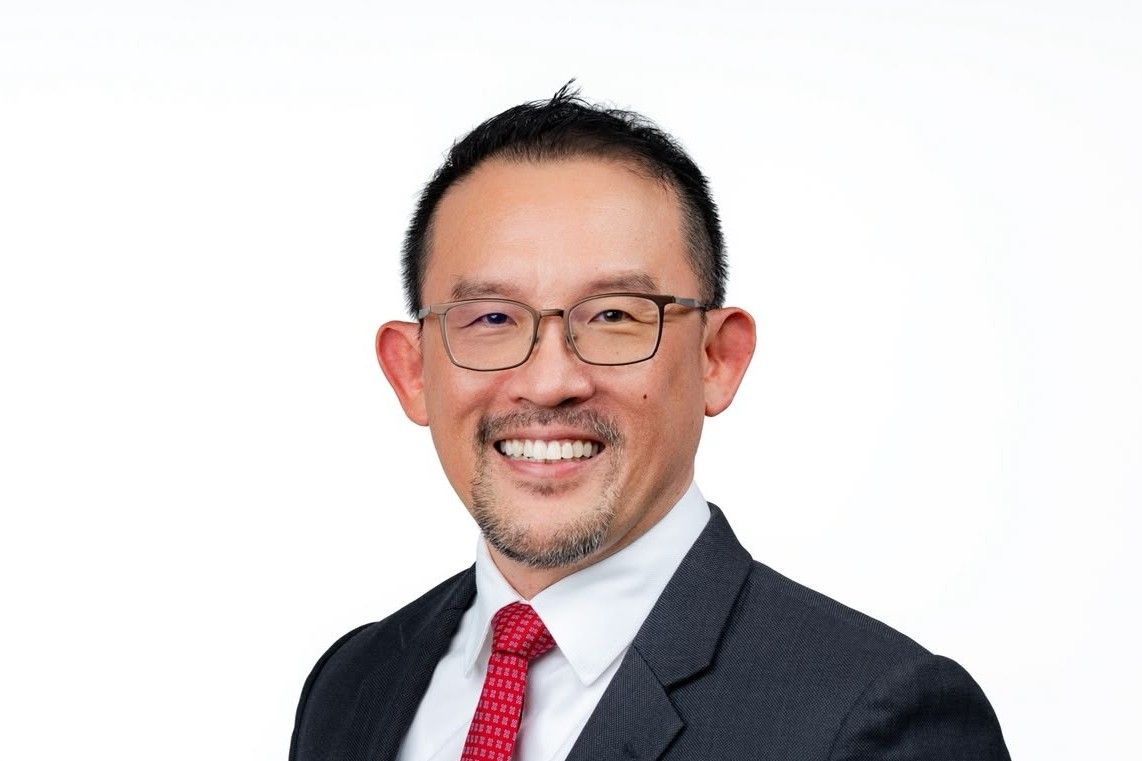
Cecil Yeo joins from UBS.
Macro and geopolitical volatility is causing managers to struggle to execute long term, according to the report.
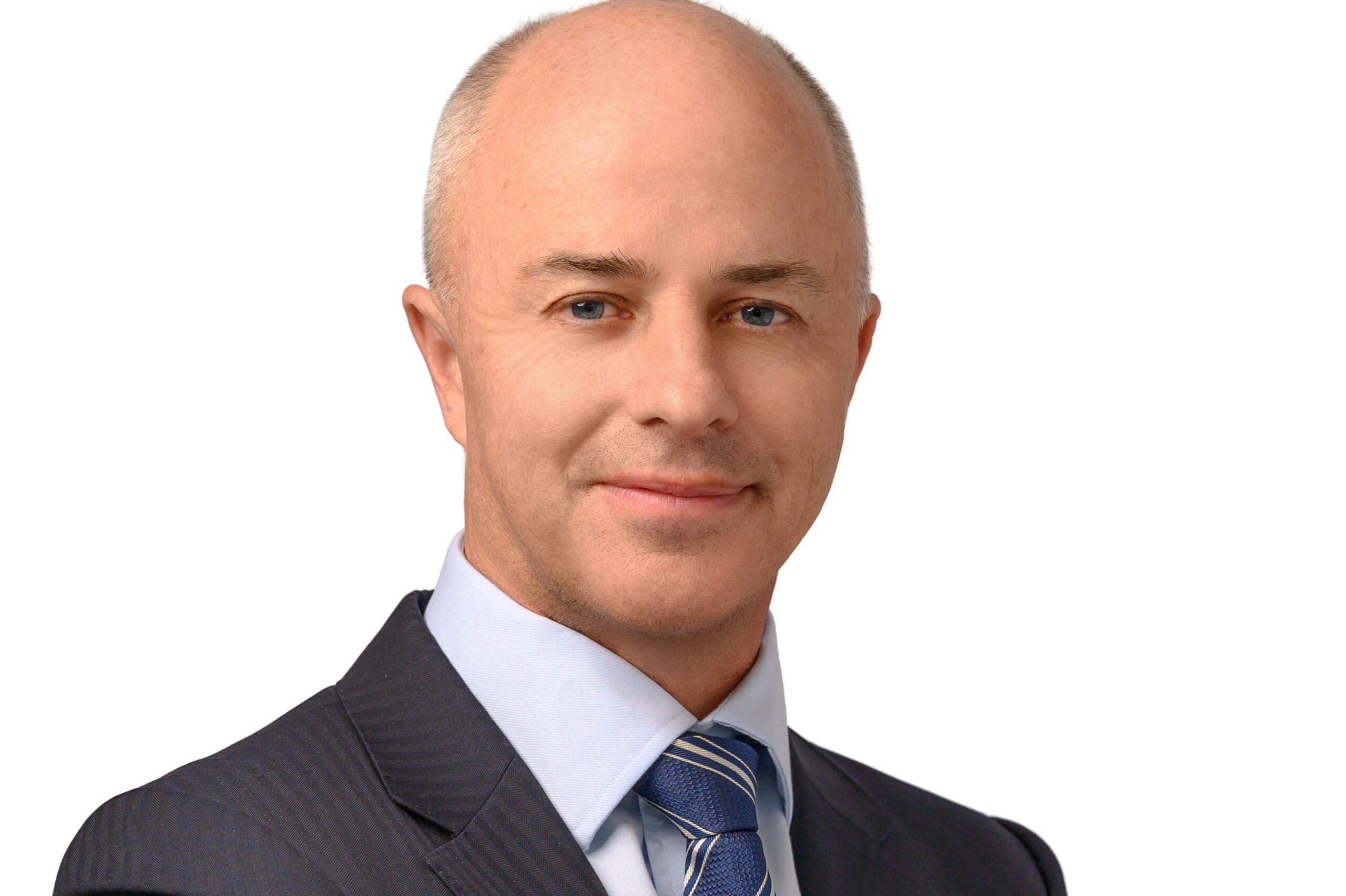
The asset manager will return to its heritage name later this year in November.