AllianzGI agrees to buy UOB Asset Management
AllianzGI will also have long-term access to UOB’s retail client network.


AllianzGI will also have long-term access to UOB’s retail client network.
AllianzGI will also have long-term access to UOB’s retail client network.

Singapore and Hong Kong continued to record positive net flows despite overall regional outflows.
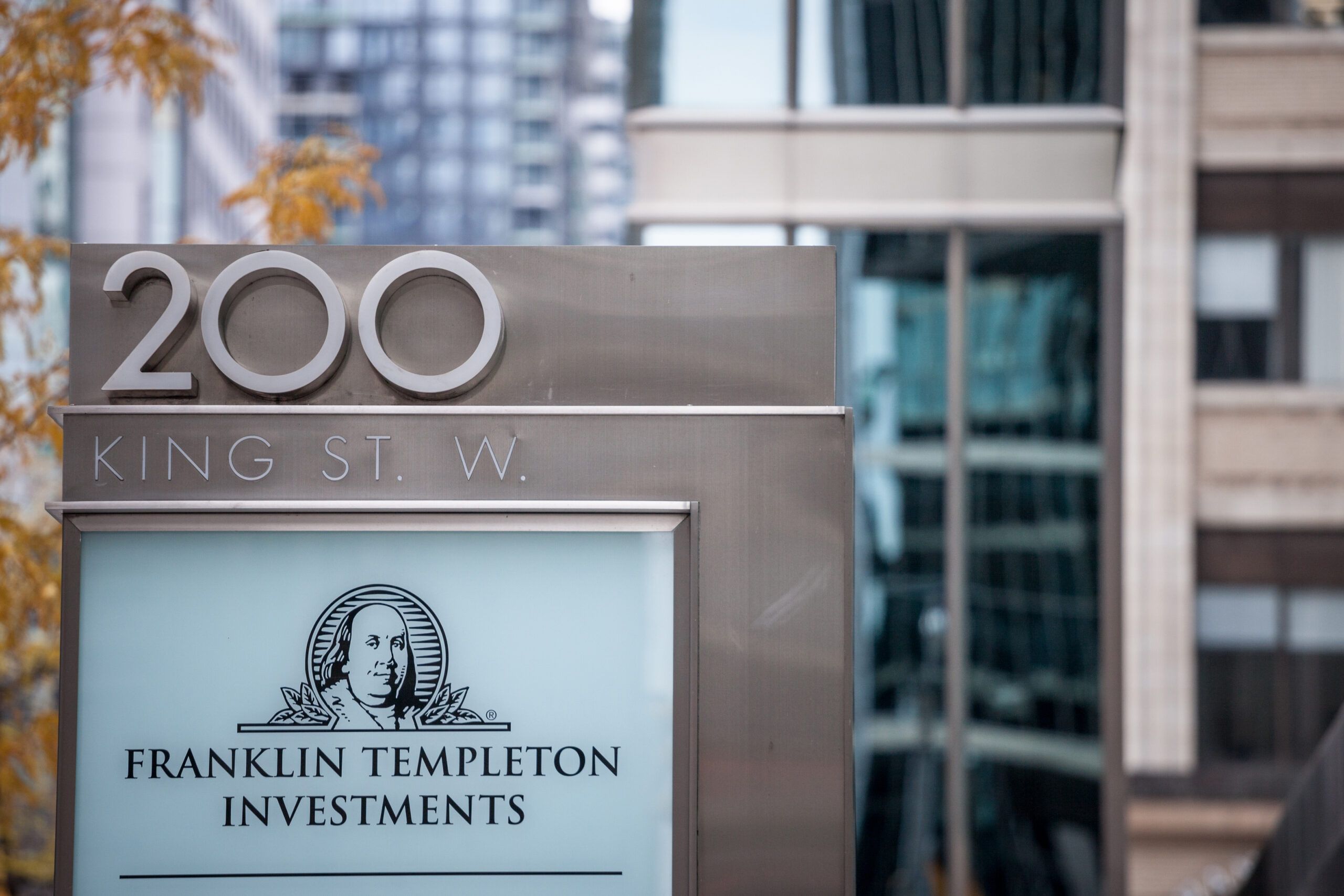
Franklin Templeton’s asset under management hit an all all-time high of $1.8trn on the back of strong equity markets and inflows into alternatives and ETFs.
Franklin Templeton’s asset under management hit an all all-time high of $1.8trn on the back of strong equity markets and inflows into alternatives and ETFs.
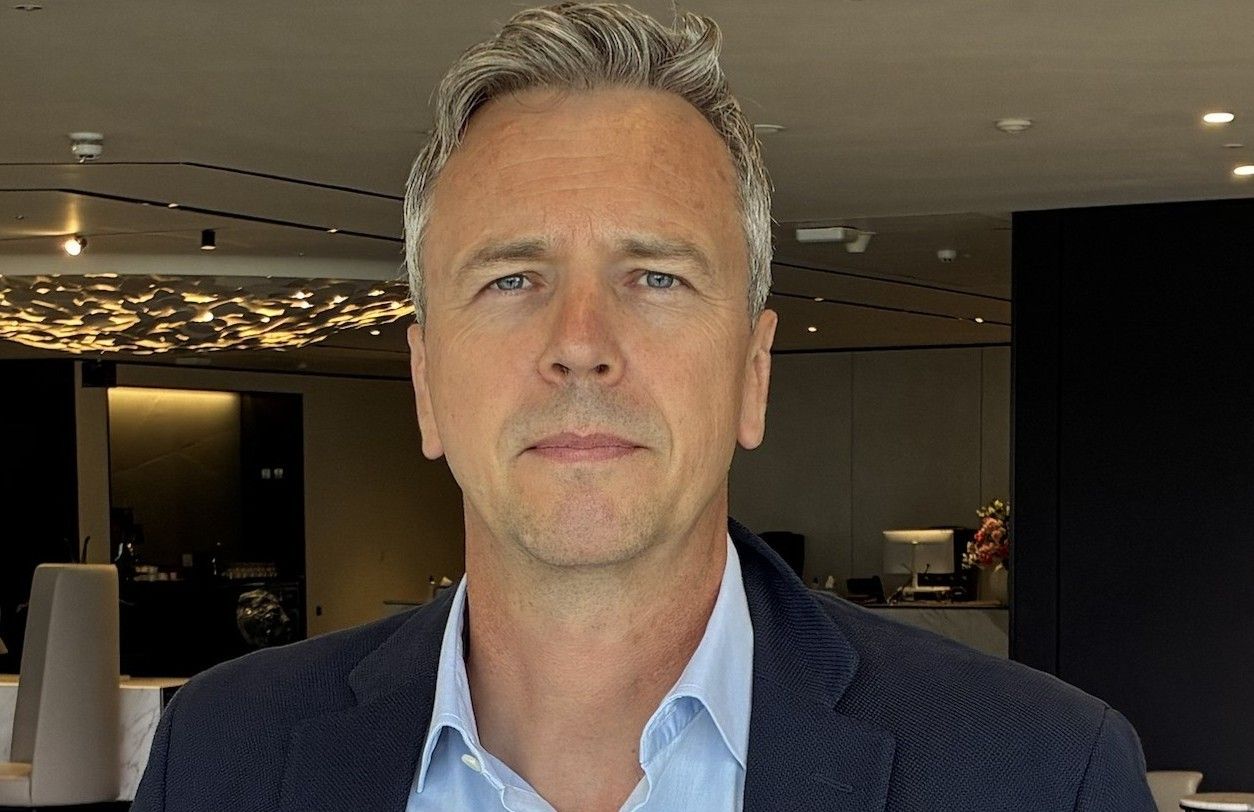
Bruen succeeds Martin Lennon, who is retiring.
Sponsored by Loomis Sayles & Natixis
The Growth Equity Strategies Team at Loomis Sayles, an affiliate of Natixis Investment Managers, demonstrates that patience, discipline and conviction result in consistent, peer-leading risk-adjusted compounding over cycles.
Franklin Templeton’s asset under management hit an all all-time high of $1.8trn on the back of strong equity markets and inflows into alternatives and ETFs.

Asset managers argue fundamentals have not changed despite the violent sell-off in South Korean equities.

AI investments, supply shocks and heavy government borrowing are accelerating a repricing of long-term rates, according to BlackRock’s Investment Institute.
AI investments, supply shocks and heavy government borrowing are accelerating a repricing of long-term rates, according to BlackRock’s Investment Institute.
Asset managers argue fundamentals have not changed despite the violent sell-off in South Korean equities.
Singapore and Hong Kong continued to record positive net flows despite overall regional outflows.
Singapore and Hong Kong continued to record positive net flows despite overall regional outflows.
Franklin Templeton’s asset under management hit an all all-time high of $1.8trn on the back of strong equity markets and inflows into alternatives and ETFs.
AllianzGI will also have long-term access to UOB’s retail client network.
AllianzGI will also have long-term access to UOB’s retail client network.
Singapore and Hong Kong continued to record positive net flows despite overall regional outflows.
The former US Treasury secretary said investors can play a role in forcing the hand of US policymakers.
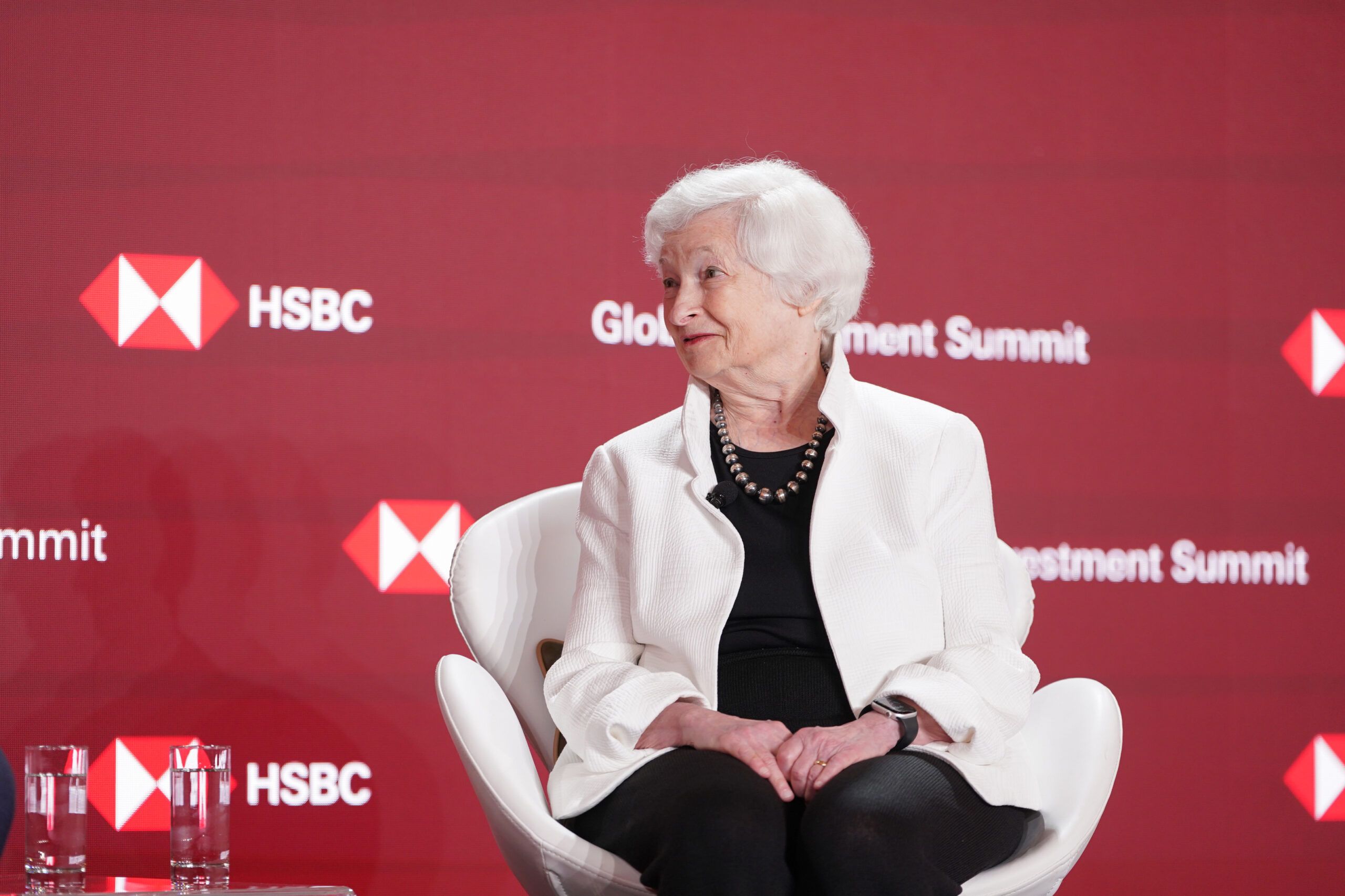

US President Trump’s push to cut interest rates to lower the cost of the nation’s debt payments resembles that of a “banana republic”, argued former US Treasury Secretary Janet Yellen.
Speaking in Hong Kong at the HSBC Global Investment Summit on Wednesday, Yellen said: “How often does the president of a developed country express the view the that interest rate should be set to reduce the debt service costs of the federal debt?”
“That’s what you hear in a banana republic. That is the story of high and even hyperinflation in every country that has suffered it. And that is what President Trump is saying.”
The current Federal Reserve chair, Jerome Powell, kept interest rates at 3.5% to 3.75% at the latest Federal Open Market Committee (FOMC) meeting.
Powell has opted to “wait and see” what the potential inflationary impacts of tariffs and energy supply chokepoints from conflict in the Middle East could be, despite pressure from Trump to cut interest rates.
Referring to Trump’s threats of criminal charges against Powell, Yellen warned that it was “the ultimate step” and an “unprecedented way of interfering with the Fed’s independence”.
“Criminalising the Justice Department against an enemy who’s unwilling to do your bidding is a threat that can be used against anyone and is something that I think could radically affect who might be willing to serve on the Fed,” she said at the summit.
“I have never seen a threat of this level to the Fed before. You also have a president who is expressing views about the conduct of monetary policy that I think should frighten people in this room.”
With Powell due to step down next month, Trump has been eyeing inflation hawk Kevin Warsh as a successor. Warsh has previously suggested that productivity gains from artificial intelligence could justify lowering interest rates.
But Yellen questioned whether Warsh would necessarily cut rates in the face of inflation risks given his reputation as an inflation hawk, and whether he would even be able to influence the Fed’s board of governors.
“I think there’s a possibility of a clash [between Warsh and Trump],” she said. “He has a reputation as an inflation hawk, and I believe it’s well deserved.”
“As I’ve listened to his comments over all of these ensuing years, I have not heard anything different. This is a person who essentially resigned his position as a governor, because he was opposed to a second round of quantitative easing, and thought it raised inflation risks.”
However even if Warsh had a desire to raise interest rates to combat inflation, Yellen questioned whether he would have the credibility to influence the other Federal Reserve governors.
Referring to former chair Alan Greenspan, famous for successfully fighting off inflation during his tenure, Yellen said: “He was greatly respected for his economic expertise on the FOMC and people listened to what he said very respectfully and took it seriously.”
“I don’t think that Warsh walks in with that level of credibility,” she said, adding that she doesn’t expect the FOMC to accept lowering interest rates in the face of a surge in investment spending, consumer spending and equity price increases.
When it comes to the US fiscal deficit, Yellen believes that it will likely increase over time, and that debt-to-GDP is on a path higher in the absence of a bipartisan agreement to lower government spending.
She argued that a US president won’t run with the deficit as a top priority, which means that “it needs to be global investors that are watching this and deciding if things are coming together in the United States to make tough decisions”.
“When there is a bond or stock market response, you do see some progress being made to make these hard choices,” she said. “I’ve seen that as Treasury Secretary with the raising of the debt ceiling, that market reactions matter.”
“If investors lose confidence that the United States is going to make these tough decisions, I think you will begin to see risk premia and long-term bond yields begin to rise, which will exacerbate the deficit problems. I think it’s the one thing that can force some bipartisan compromise to solve this problem.”
AI investments, supply shocks and heavy government borrowing are accelerating a repricing of long-term rates, according to BlackRock’s Investment Institute.

Mohammad Hasif bin Ahmad Murad is based in Malaysia.

The business, formerly based in Edinburgh, effectively retired its brand name at the end of last year.