AllianzGI agrees to buy UOB Asset Management
AllianzGI will also have long-term access to UOB’s retail client network.


AllianzGI will also have long-term access to UOB’s retail client network.
AllianzGI will also have long-term access to UOB’s retail client network.

Singapore and Hong Kong continued to record positive net flows despite overall regional outflows.
Franklin Templeton’s asset under management hit an all all-time high of $1.8trn on the back of strong equity markets and inflows into alternatives and ETFs.
Franklin Templeton’s asset under management hit an all all-time high of $1.8trn on the back of strong equity markets and inflows into alternatives and ETFs.
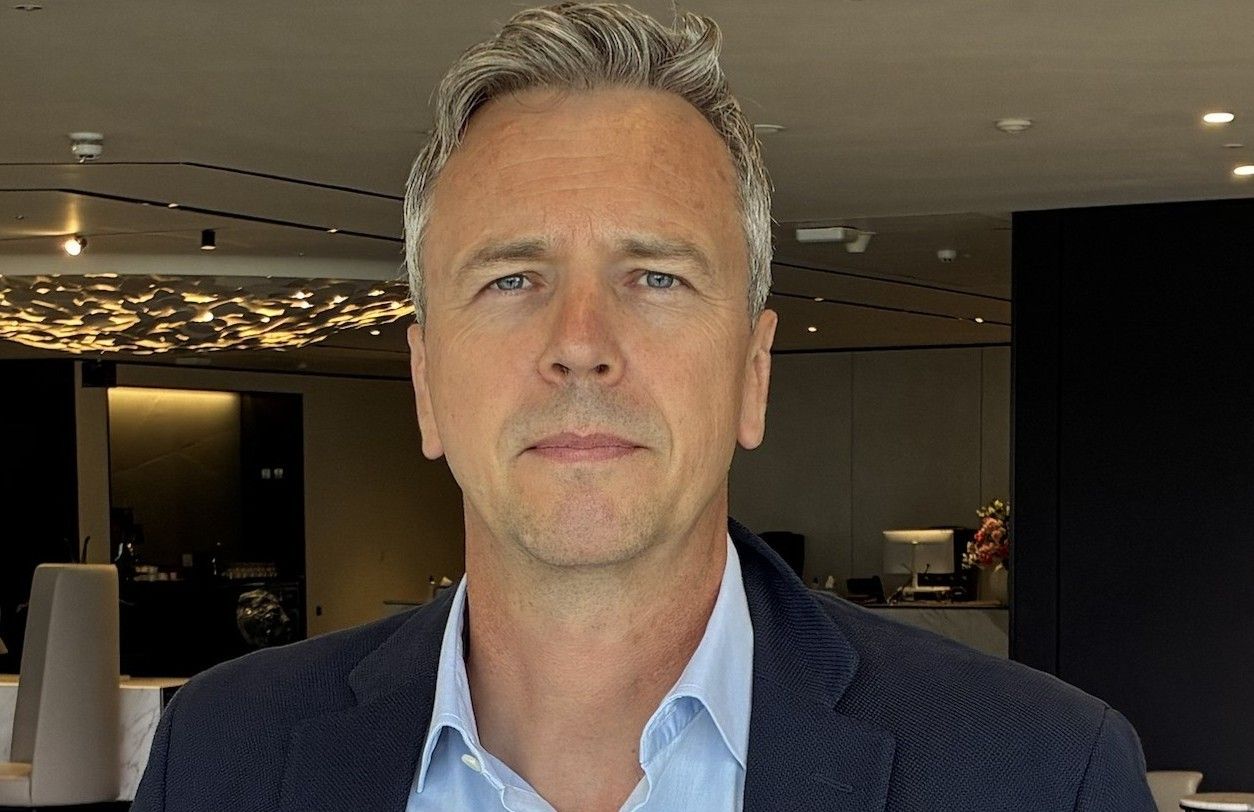
Bruen succeeds Martin Lennon, who is retiring.
Sponsored by Loomis Sayles & Natixis
The Growth Equity Strategies Team at Loomis Sayles, an affiliate of Natixis Investment Managers, demonstrates that patience, discipline and conviction result in consistent, peer-leading risk-adjusted compounding over cycles.
Franklin Templeton’s asset under management hit an all all-time high of $1.8trn on the back of strong equity markets and inflows into alternatives and ETFs.

Asset managers argue fundamentals have not changed despite the violent sell-off in South Korean equities.

AI investments, supply shocks and heavy government borrowing are accelerating a repricing of long-term rates, according to BlackRock’s Investment Institute.
AI investments, supply shocks and heavy government borrowing are accelerating a repricing of long-term rates, according to BlackRock’s Investment Institute.
Asset managers argue fundamentals have not changed despite the violent sell-off in South Korean equities.
Singapore and Hong Kong continued to record positive net flows despite overall regional outflows.
Singapore and Hong Kong continued to record positive net flows despite overall regional outflows.
Franklin Templeton’s asset under management hit an all all-time high of $1.8trn on the back of strong equity markets and inflows into alternatives and ETFs.
AllianzGI will also have long-term access to UOB’s retail client network.
AllianzGI will also have long-term access to UOB’s retail client network.
Singapore and Hong Kong continued to record positive net flows despite overall regional outflows.
Singapore and Hong Kong continued to record positive net flows despite overall regional outflows.

Global sustainable fund assets rose to an estimated $3.73trn, from $3.5trn at the end of Q1, with market appreciation the principal driver of asset growth.
However, product development remained suppressed, with 32 new sustainable funds launched globally. All the new products in Asia ex-Japan originated from China.
Among the new sustainable funds launched worldwide in Q2 2026, China accounted for 16 launches, Europe for 13, and the US for three.
Excluding China, the Asia ex-Japan region $1.9bn in net outflows in Q2. Taiwan led the decline with $1.6bn in outflows, a 78% increase from the previous quarter.
Stephanie Ting, associate analyst, manager research, Morningstar, commented: “Sustainable fund flows in Asia ex-Japan remained under pressure in Q2 2026, with Taiwan continuing to lead outflows.
“In contrast, Hong Kong and Singapore recorded positive net flows during the quarter, contributing to quarter-over-quarter growth in sustainable fund assets of 13% and 23%, respectively. The largest inflows in both markets were seen in equity strategies related to low-carbon themes.”
In Q2 2026, Japanese sustainable funds recorded a 16th consecutive quarter of net outflows, totalling $235m in net redemptions. The pace of redemptions was broadly unchanged from the first quarter. This stood in sharp contrast to the broader Japanese fund market, which attracted $35bn of net inflows over the same period.
“Japanese sustainable funds recorded their 16th consecutive quarter of net outflows in the second quarter of 2026. While active strategies continued to see redemptions, passive funds remained in positive territory, consistent with the broader global trend of investor demand shifting toward index-tracking sustainable strategies,” said Juri Yanagi, analyst, manager research, Morningstar.
Global sustainable funds, excluding China due to its one-quarter data lag, attracted an estimated net inflows of $3.7bn in Q2 2026. First-quarter inflows were restated to $800m following the incorporation of China’s first-quarter data, which showed net outflows.
Monika Calay, director of UK manager research at Morningstar, said: “The second quarter shows that demand for sustainable funds remains highly selective. Europe stayed in positive territory, but inflows slowed from the first quarter and were again concentrated in passive strategies and fixed income, while sustainable equity funds continued to see pressure.”
“The US sustainable fund market saw a reversal in Q2, with inflows returning after fourteen consecutive quarters of outflows. Again, passive strategies drove the recovery, as investors remain mostly interested in sustainable exposures when they are delivered through low-cost, index-based vehicles.
“Across regions, the picture is not one of broad-based recovery, but of investors becoming more discerning about where sustainability fits within portfolios. Regulatory uncertainty, greenwashing concerns and the political backdrop continue to influence both fund flows and product development,” Calay concluded.

Mohammad Hasif bin Ahmad Murad is based in Malaysia.

The business, formerly based in Edinburgh, effectively retired its brand name at the end of last year.
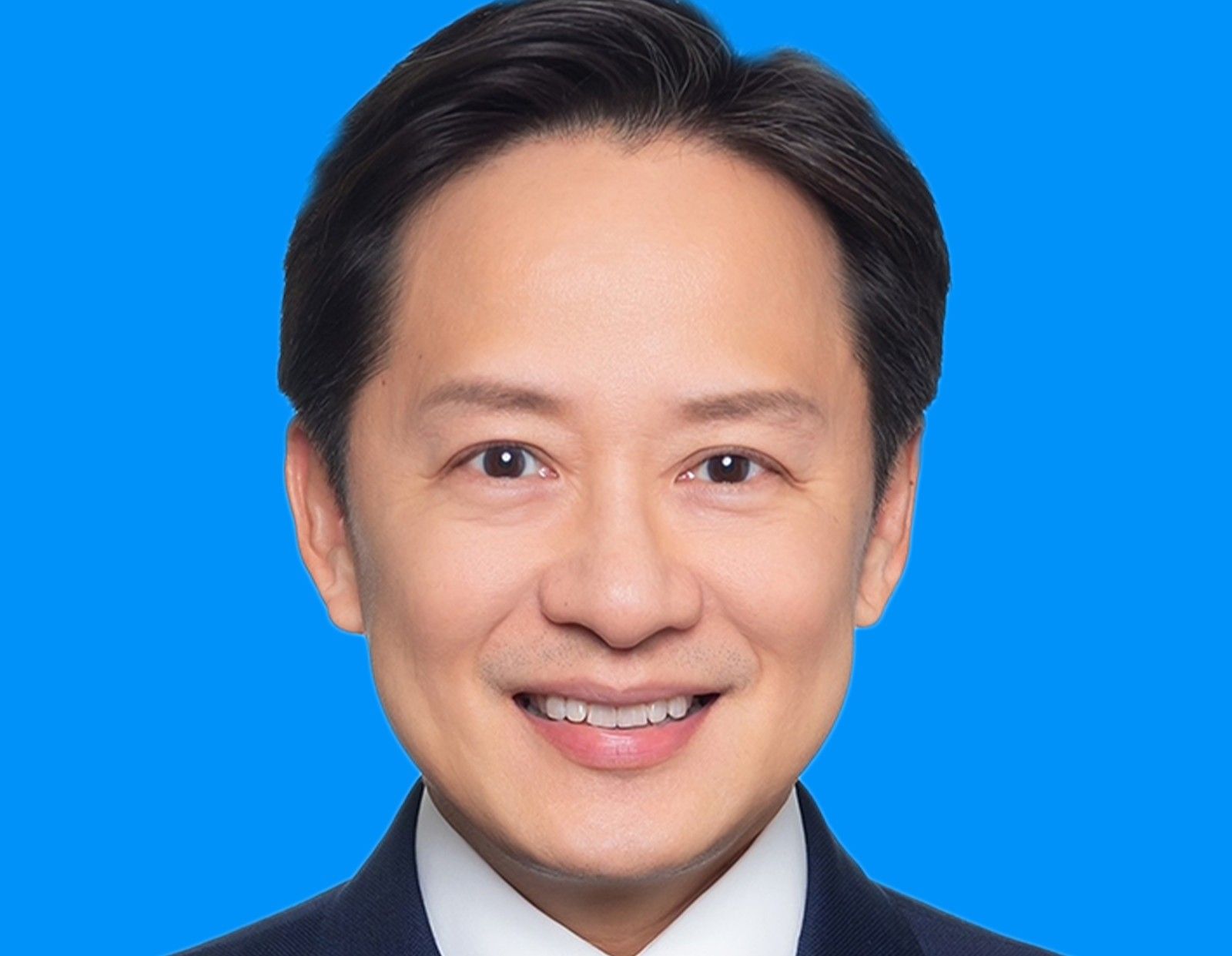
Philip Tso joins J.P. Morgan Asset Management from Allianz Global Investors.