Investors ‘frustrated’ with Korea’s wild volatility
Asset managers argue fundamentals have not changed despite the violent sell-off in South Korean equities.

Asset managers argue fundamentals have not changed despite the violent sell-off in South Korean equities.
Asset managers argue fundamentals have not changed despite the violent sell-off in South Korean equities.

The asset manager will buy Antares Fixed Income, Antares Equities, and Fairview Equity Partners.
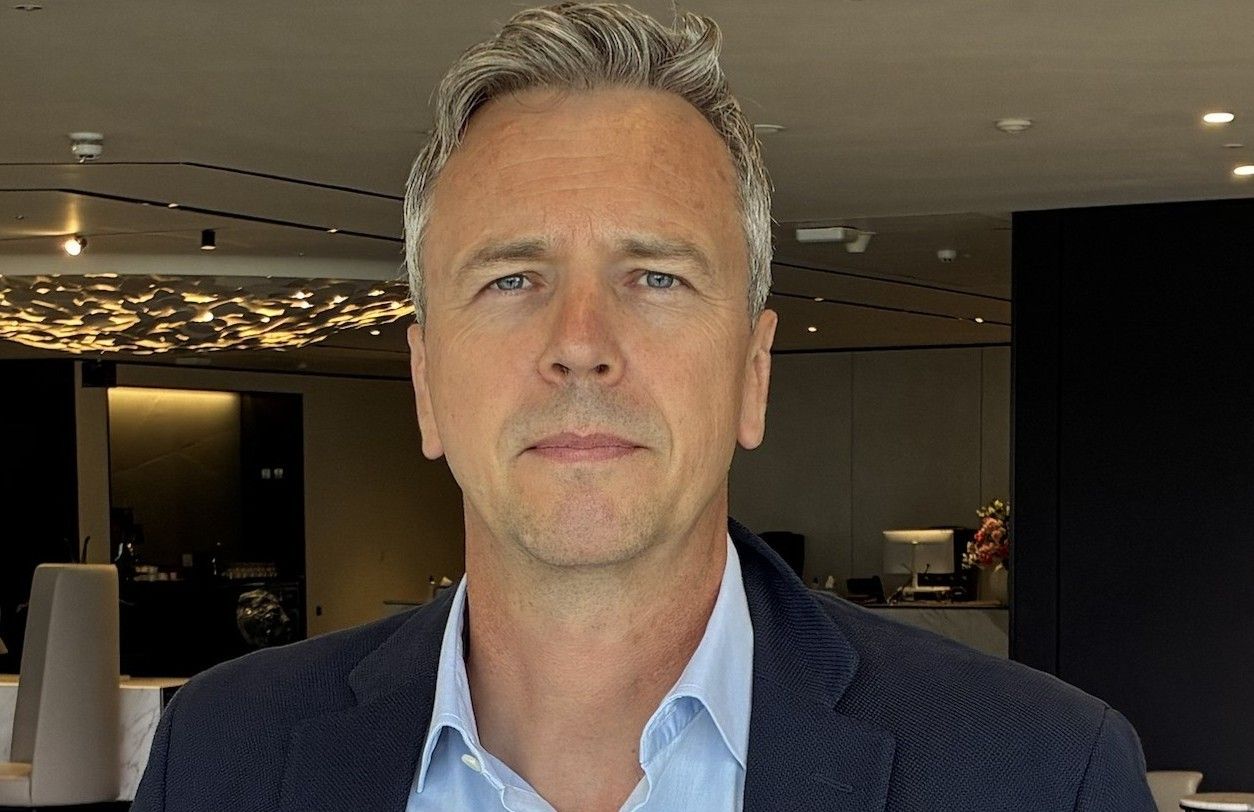
Bruen succeeds Martin Lennon, who is retiring.
Bruen succeeds Martin Lennon, who is retiring.
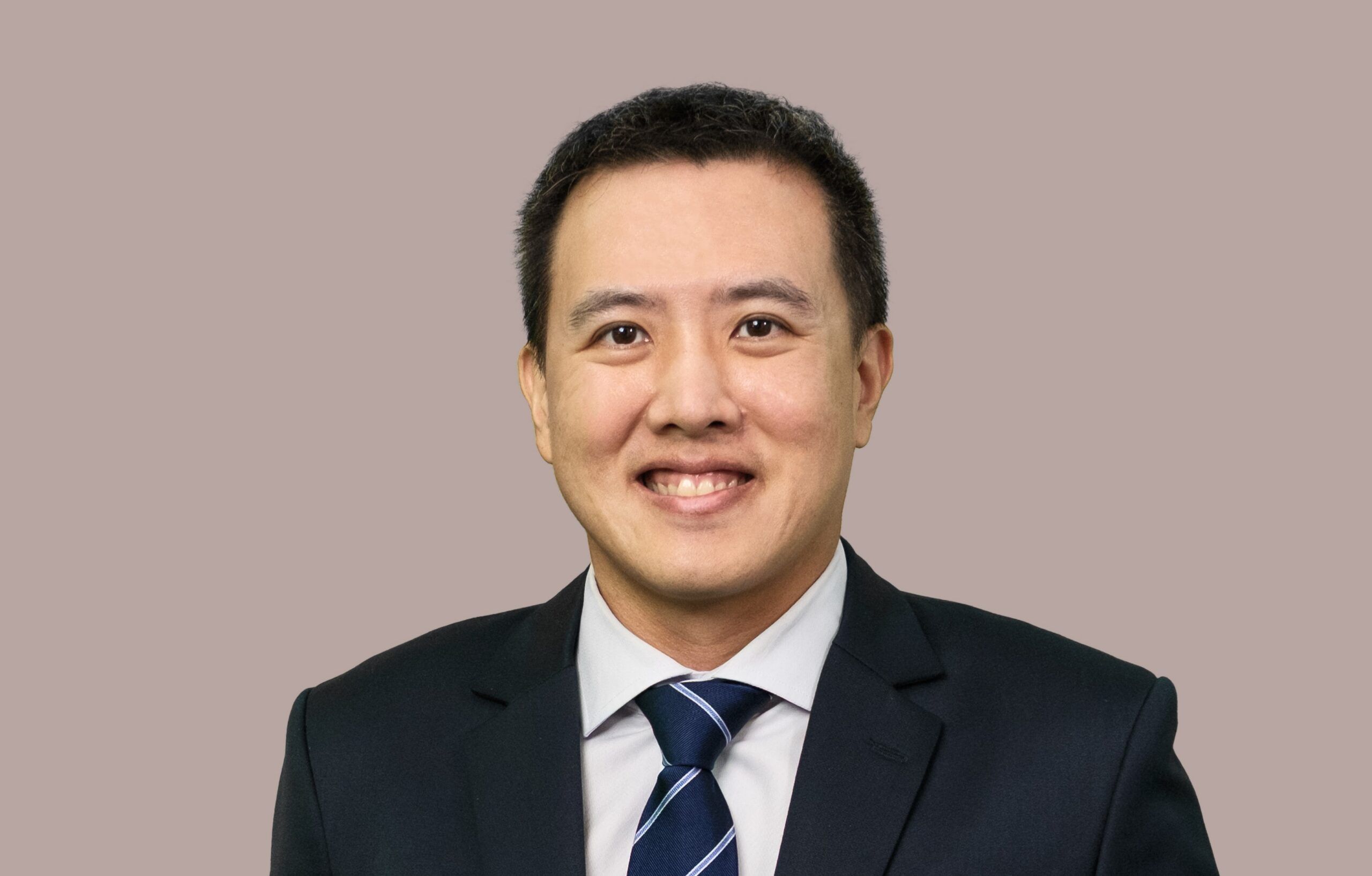
Across all alternative asset classes success ultimately hinges on manager selection, explains Jason Ng, alternatives specialist, Asia & Middle East, Julius Baer.
Sponsored by Loomis Sayles & Natixis
The Growth Equity Strategies Team at Loomis Sayles, an affiliate of Natixis Investment Managers, demonstrates that patience, discipline and conviction result in consistent, peer-leading risk-adjusted compounding over cycles.
Asset managers argue fundamentals have not changed despite the violent sell-off in South Korean equities.
Bruen succeeds Martin Lennon, who is retiring.
Asset managers argue fundamentals have not changed despite the violent sell-off in South Korean equities.
Asset managers argue fundamentals have not changed despite the violent sell-off in South Korean equities.

Julius Baer has hired Nira Tanoko, former Bank of Singapore market head, Indonesia, to join its leadership team.

This week FSA compares two emerging markets bond funds: the AB Emerging Markets Debt Portfolio fund and the T. Rowe Price Emerging Markets Bond fund.
This week FSA compares two emerging markets bond funds: the AB Emerging Markets Debt Portfolio fund and the T. Rowe Price Emerging Markets Bond fund.

Europe and the UK dominated dividend distributions in the second quarter.

The platform serves both directions of the India capital corridor.
The platform serves both directions of the India capital corridor.

Muriel Aboud Schirmann and Louis Shen take on senior roles in Singapore.
Asset managers argue fundamentals have not changed despite the violent sell-off in South Korean equities.

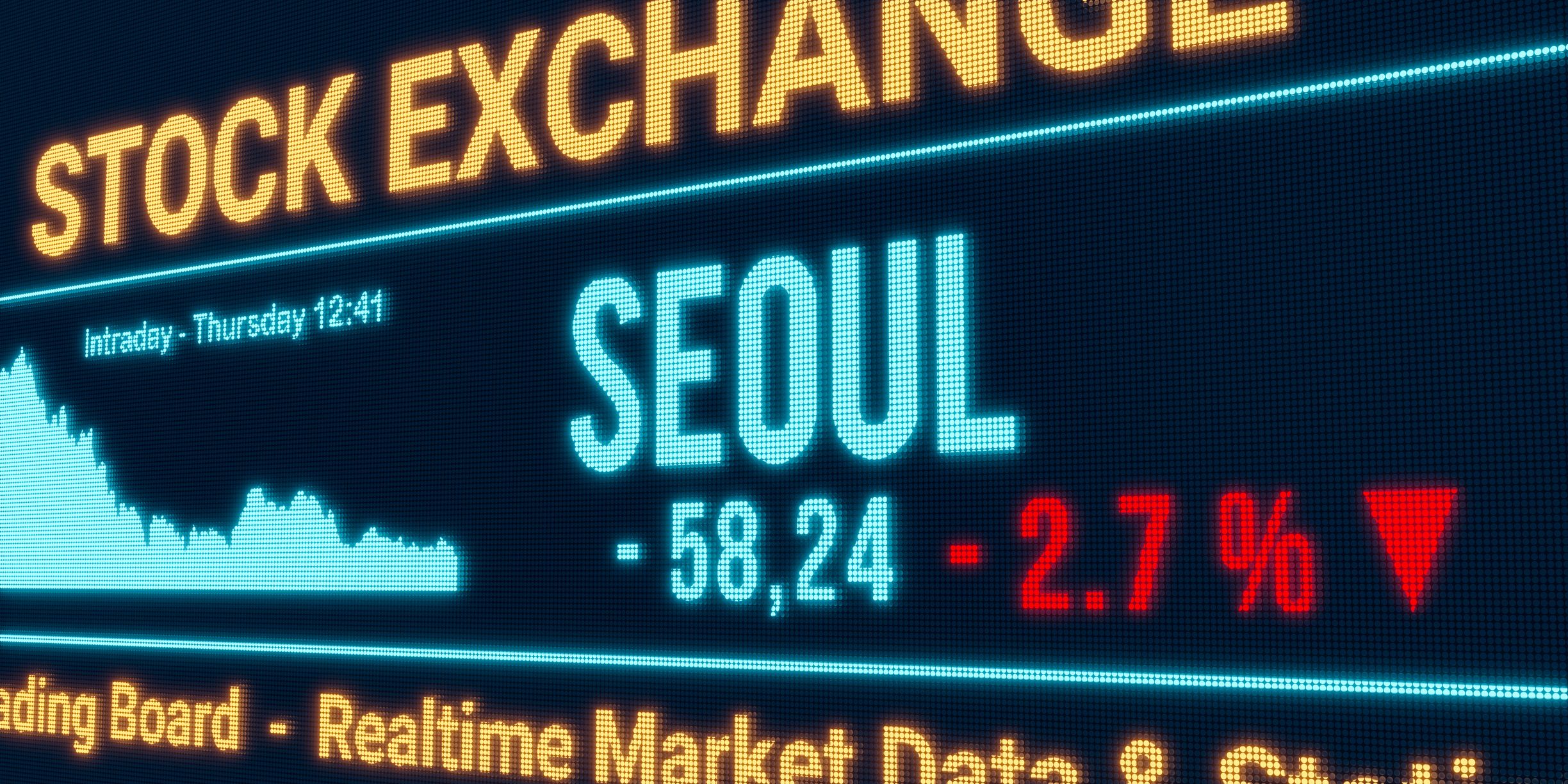
Some investors believe the fundamentals for South Korean equities remain strong despite the wild swings in volatility and a 40% pullback from the market’s highs in late June.
After a parabolic rally that began in early 2025, South Korea’s benchmark KOSPI index has fallen dramatically in the past several weeks, driven largely by heavyweight constituents SK Hynix and Samsung.
The sell-off has occurred despite no apparent sign of a slowdown in capital expenditure plans from global technology giants, the main driver of demand for memory chips produced by South Korea’s manufacturers.
William Bratton, head of cash equity research, APAC, BNP Paribas said: “Recent discussions with clients suggest a high degree of frustration with the volatility being seen in South Korea, especially as it complicates the underlying fundamental story.”
He believes the fundamental earnings story for the country’s tech sector “still appears robust”, pointing to continued upward revisions to its forward 12-month consensus earnings expectations.
However, he noted that South Korea’s exposure to the technology sector makes it “uniquely exposed to the heated debate over the sustainability of the current AI capex spend” and results in violent market reactions to new information.
The weakness in Korea is being driven by an ongoing deleveraging process in Korea, according to Kieron Poon, investment director, Asian equities at Aberdeen Investments.
“But such short-term market volatility has not changed our long-term positive view,” he said in a recent note. “We continue to believe that the fundamentals of Asia’s technology sector, especially those linked to artificial intelligence (AI), are still robust.”
“Our discussions with companies across Korea and Taiwan point to strong and sustained AI-related demand, with management teams generally confident of the medium-term outlook.”
Poon argued that the recent pullback has made valuations more attractive and created an opportunity to add exposure: “As we advance in the AI investment cycle, we believe that demand growth is sustainable and well supported, as each progressive stage requires more compute, more advanced chips and larger amounts of memory,” he said.
Despite recent market weakness, it has created an attractive entry point for long-term investors, according to Eric Lin, portfolio manager at Eastspring Investments.
“We believe that the recent market adjustment is a healthy one and can open a broader range of investment opportunities across Korea and the wider Asian technology sector, especially in companies with solid fundamentals with exposure to the structural growth of AI throughout the tech supply chain,” he said.
He believes the recent price action mainly reflects a shift in market sentiment, not weakening in industry fundamentals.
“From the perspectives of corporate capital expenditure plans, AI infrastructure demand, and supply chain development, AI-related investments continue to advance.”
He pointed to major cloud service providers continuing to fund their AI expansion plans through debt and argued that their balance sheets “are more than sufficient to support long-term investment plans”.
Poon said Korea’s memory companies are likely to continue to benefit from the increased demand as AI usage increases in complexity and sophistication.
“This will benefit the leading memory companies in Korea, given their tech edge, scale, and market positions, and potentially improve their cash flow and earnings.”
“As they accumulate cash, we would expect these companies to also increase shareholder returns via higher dividends and more share buybacks for instance.”
Muriel Aboud Schirmann and Louis Shen take on senior roles in Singapore.
Across all alternative asset classes success ultimately hinges on manager selection, explains Jason Ng, alternatives specialist, Asia & Middle East, Julius Baer.
This week FSA compares two emerging markets bond funds: the AB Emerging Markets Debt Portfolio fund and the T. Rowe Price Emerging Markets Bond fund.