Capital Group CEO sees mid-sized asset managers getting ‘hollowed out’
Capital Group CEO Mike Gitlin expects smaller boutique firms to survive on satellite allocations and larger firms taking more market share of investors’ core exposure.

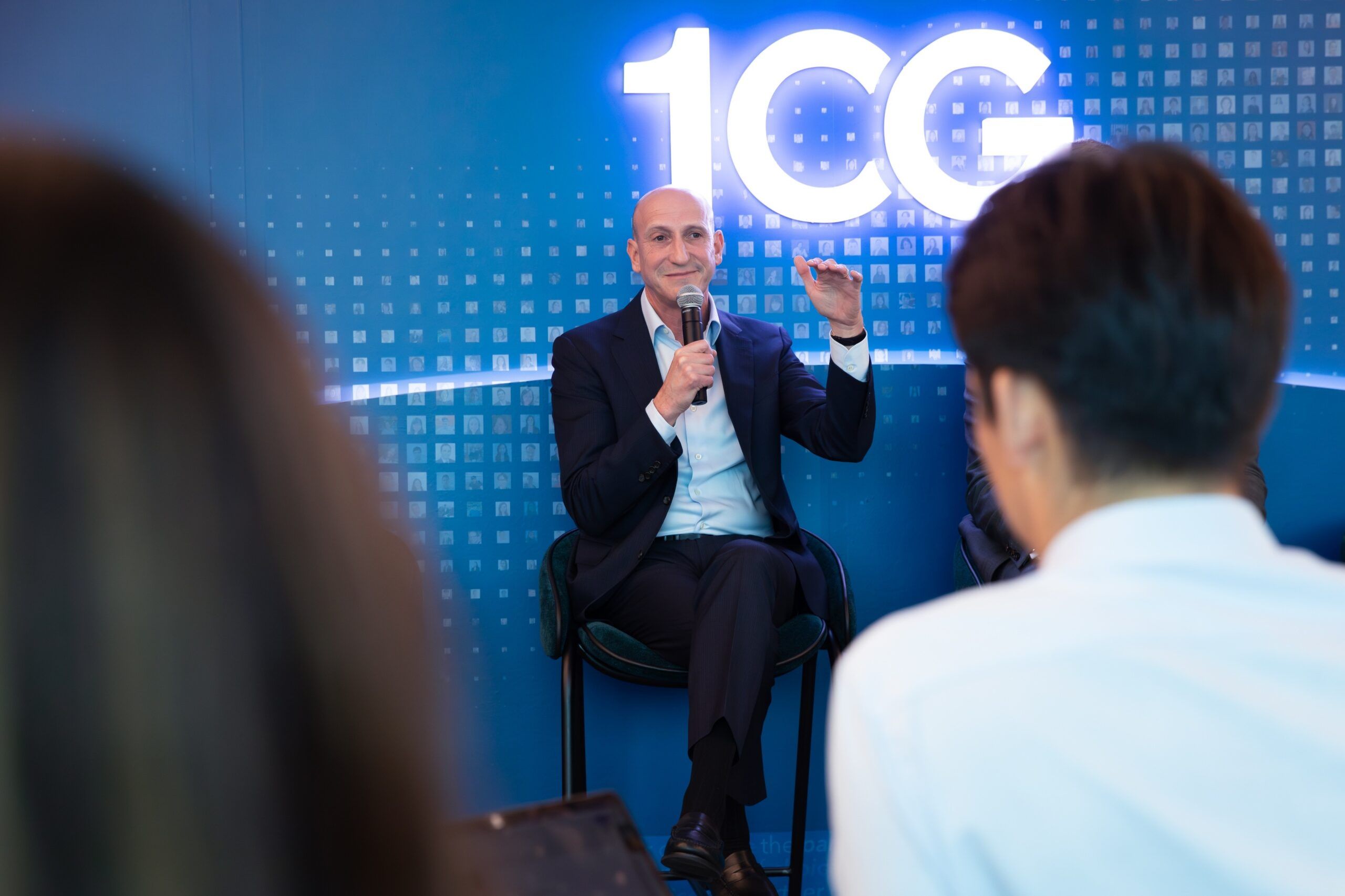
Capital Group CEO Mike Gitlin expects smaller boutique firms to survive on satellite allocations and larger firms taking more market share of investors’ core exposure.
Capital Group CEO Mike Gitlin expects smaller boutique firms to survive on satellite allocations and larger firms taking more market share of investors’ core exposure.

The Pantheon Global Infrastructure Secondaries fund will be domiciled in Luxembourg.
Capital Group CEO Mike Gitlin expects smaller boutique firms to survive on satellite allocations and larger firms taking more market share of investors’ core exposure.
Capital Group CEO Mike Gitlin expects smaller boutique firms to survive on satellite allocations and larger firms taking more market share of investors’ core exposure.

Structurally, private investments are less exposed to the sentiment swings of public indices, says Schroders Capital CIO Nils Rode.
Sponsored by Loomis Sayles & Natixis
The Growth Equity Strategies Team at Loomis Sayles, an affiliate of Natixis Investment Managers, demonstrates that patience, discipline and conviction result in consistent, peer-leading risk-adjusted compounding over cycles.
Capital Group CEO Mike Gitlin expects smaller boutique firms to survive on satellite allocations and larger firms taking more market share of investors’ core exposure.
Structurally, private investments are less exposed to the sentiment swings of public indices, says Schroders Capital CIO Nils Rode.
Capital Group CEO Mike Gitlin expects smaller boutique firms to survive on satellite allocations and larger firms taking more market share of investors’ core exposure.
Capital Group CEO Mike Gitlin expects smaller boutique firms to survive on satellite allocations and larger firms taking more market share of investors’ core exposure.
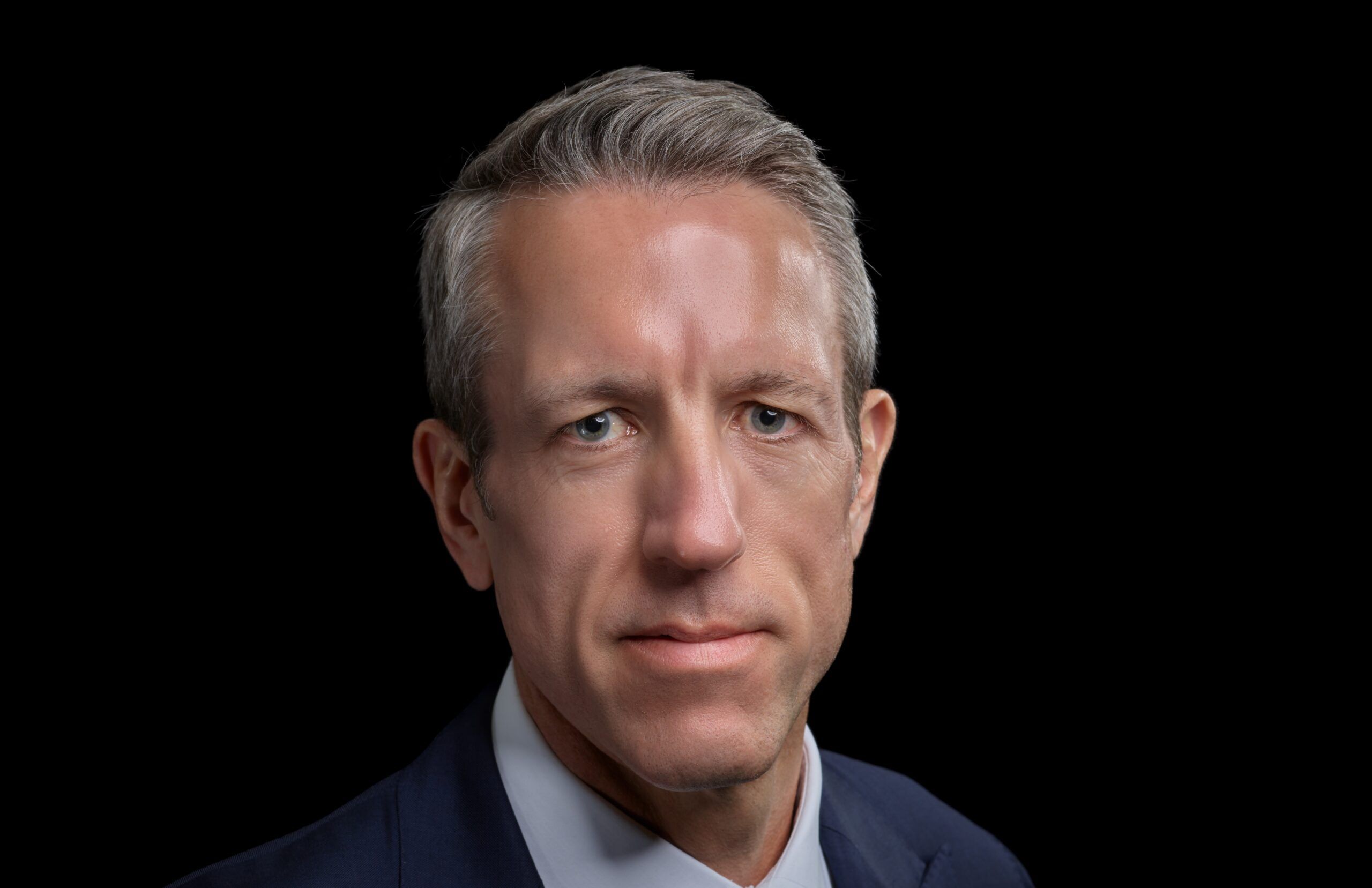
The prevalence of traditional wealth structures in Asia is creating succession planning risks, says Utmost’s Mark Christal.

This week FSA provides a quick comparison of two Asia ex-Japan equity funds: the Eastspring Inv Asian Equity Income fund and the Jupiter Asia Pacific Income fund.
This week FSA provides a quick comparison of two Asia ex-Japan equity funds: the Eastspring Inv Asian Equity Income fund and the Jupiter Asia Pacific Income fund.

Investors should remain invested, diversify, and take a long-term view, says Fidelity’s HK head, Charlotte Chan.
This week FSA provides a quick comparison of two Asia ex-Japan equity funds: the Eastspring Inv Asian Equity Income fund and the Jupiter Asia Pacific Income fund.
This week FSA provides a quick comparison of two Asia ex-Japan equity funds: the Eastspring Inv Asian Equity Income fund and the Jupiter Asia Pacific Income fund.
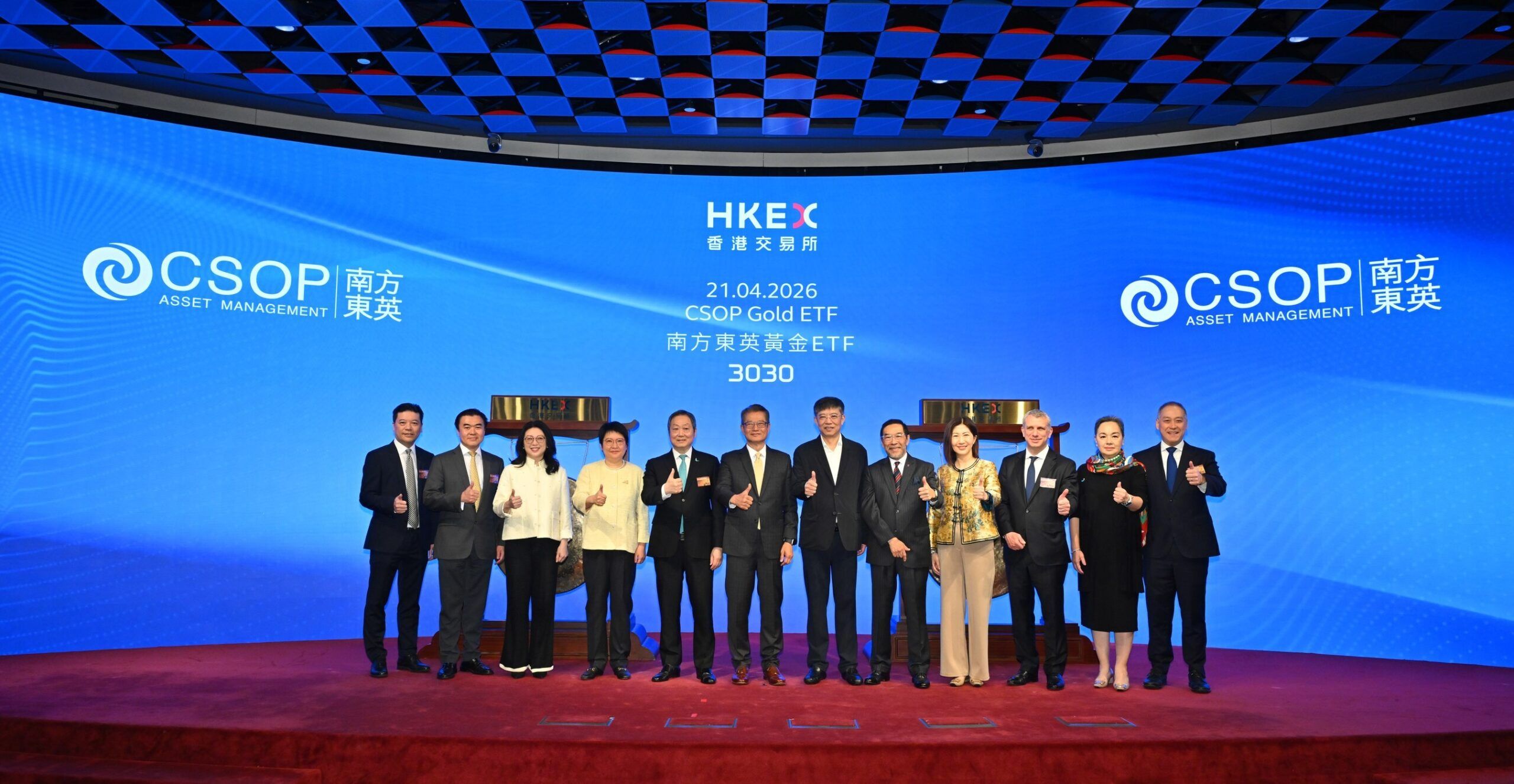
The CSOP Gold ETF will hold physical gold bullion stored in Hong Kong.
Structurally, private investments are less exposed to the sentiment swings of public indices, says Schroders Capital CIO Nils Rode.

Private markets have rarely looked more relevant, according to Nils Rode, chief investment officer at Schroders Capital. They offer structural advantages in portfolio management over public markets that are especially important during periods of volatility, alongside a recent cyclical decoupling.
“Structurally, private investments are less exposed to the sentiment swings of public indices. Closed-ended fund structures provide locked-in capital, enabling managers to deploy capital opportunistically during downturns and time portfolio exits more effectively, avoiding forced sales,” wrote Rode in a recent outlook piece.
“Private markets are also more specialised, accessing a broader opportunity set.”
Portfolio managers can target segments with balanced capital supply and demand because of barriers to entry, invest in domestically focused companies that are less exposed to global shocks, and access assets with differentiated risk exposures and lower correlation to listed markets.
In addition, many private market segments (although not corporate private debt) have had four years of subdued fundraising, investment, valuations and exits, even as public equities reached record highs and credit spreads tightened.
“Combined with private capital concentration in larger funds and transactions, this has created attractive entry points and inefficiencies in other parts of the market, which can translate into compelling return opportunities,” wrote Rode.
Among private equity strategies, small- and mid-sized buyouts and continuation vehicles have proven more resilient than large buyouts, he noted, while early-stage opportunities in venture capital retain their fundamental appeal while late-stage artificial intelligence (AI) investments carry unprecedented valuation and concentration risk.
“Depending on definitions and data sources, small and mid-sized buyouts benefit from persistent valuation discounts of 20–40% relative to large buyouts – with the widest discounts at the small end of the market – while offering exposure to businesses less tethered to global markets, with greater transformational growth potential,” Rode said.
Meanwhile, in infrastructure, operational assets with contracted revenues are gaining scarcity value while development-stage projects face headwinds, and in real estate, the gap between prime and commodity assets has never been wider.
Capital Group CEO Mike Gitlin expects smaller boutique firms to survive on satellite allocations and larger firms taking more market share of investors’ core exposure.
Structurally, private investments are less exposed to the sentiment swings of public indices, says Schroders Capital CIO Nils Rode.
The Pantheon Global Infrastructure Secondaries fund will be domiciled in Luxembourg.