Capital Group CEO sees mid-sized asset managers getting “hollowed out”
Capital Group CEO Mike Gitlin expects smaller boutique firms to survive on satellite allocations and larger firms taking more market share of investors’ core exposure.

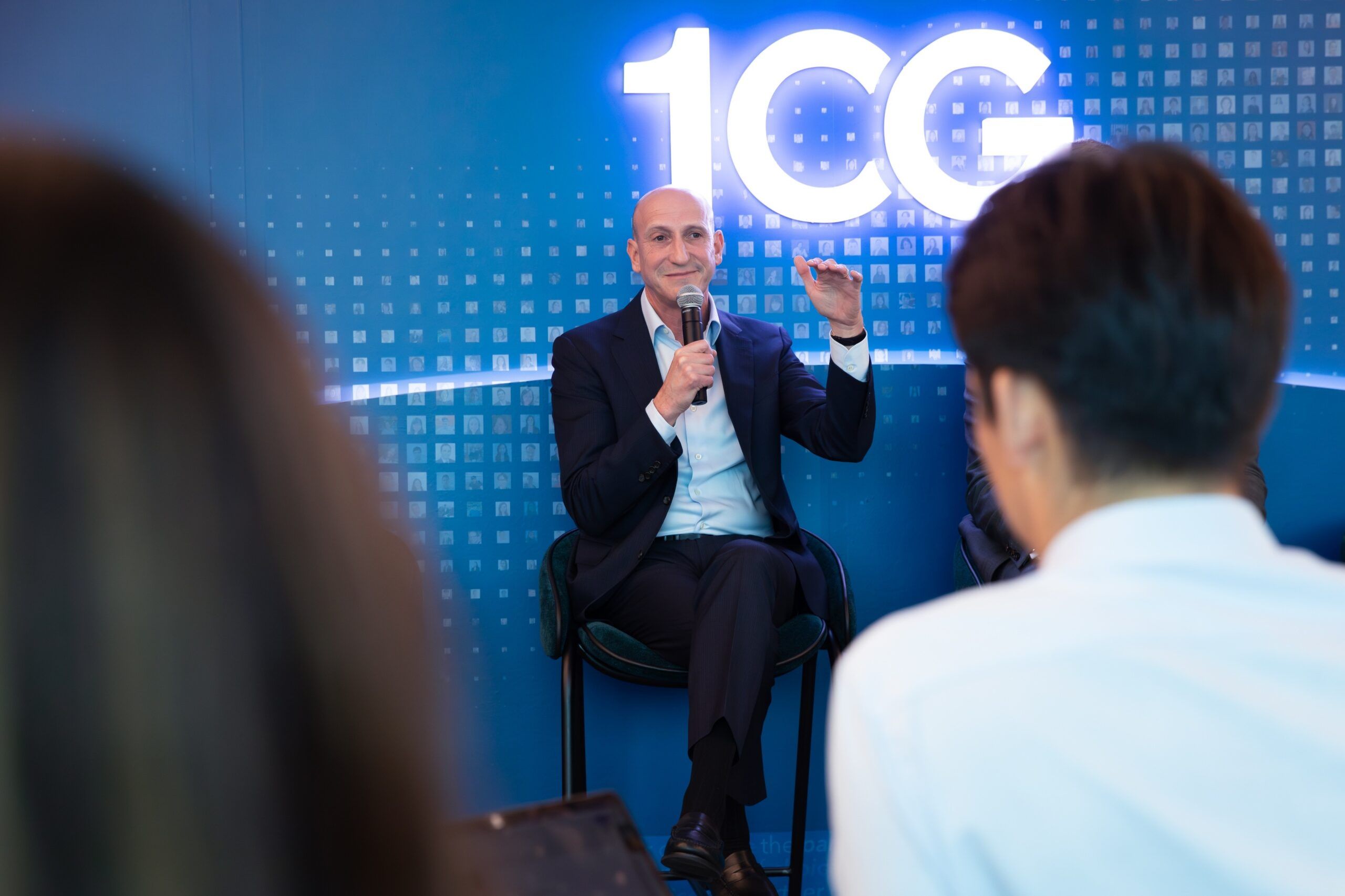
Capital Group CEO Mike Gitlin expects smaller boutique firms to survive on satellite allocations and larger firms taking more market share of investors’ core exposure.
Capital Group CEO Mike Gitlin expects smaller boutique firms to survive on satellite allocations and larger firms taking more market share of investors’ core exposure.

The private markets investor Pantheon has expanded its product offering with the launch of a fund investing in the infrastructure secondaries market. Domiciled in Luxembourg, the Pantheon Global Infrastructure Secondaries (PGIS) fund aims to comprise a high conviction portfolio and will be managed by the group’s institutional infrastructure arm. “The new fund will aim to…
Capital Group CEO Mike Gitlin expects smaller boutique firms to survive on satellite allocations and larger firms taking more market share of investors’ core exposure.
Capital Group CEO Mike Gitlin expects smaller boutique firms to survive on satellite allocations and larger firms taking more market share of investors’ core exposure.
The private markets investor Pantheon has expanded its product offering with the launch of a fund investing in the infrastructure secondaries market. Domiciled in Luxembourg, the Pantheon Global Infrastructure Secondaries (PGIS) fund aims to comprise a high conviction portfolio and will be managed by the group’s institutional infrastructure arm. “The new fund will aim to…
Sponsored by Loomis Sayles & Natixis
The Growth Equity Strategies Team at Loomis Sayles, an affiliate of Natixis Investment Managers, demonstrates that patience, discipline and conviction result in consistent, peer-leading risk-adjusted compounding over cycles.
Capital Group CEO Mike Gitlin expects smaller boutique firms to survive on satellite allocations and larger firms taking more market share of investors’ core exposure.
The private markets investor Pantheon has expanded its product offering with the launch of a fund investing in the infrastructure secondaries market. Domiciled in Luxembourg, the Pantheon Global Infrastructure Secondaries (PGIS) fund aims to comprise a high conviction portfolio and will be managed by the group’s institutional infrastructure arm. “The new fund will aim to…
Capital Group CEO Mike Gitlin expects smaller boutique firms to survive on satellite allocations and larger firms taking more market share of investors’ core exposure.
Capital Group CEO Mike Gitlin expects smaller boutique firms to survive on satellite allocations and larger firms taking more market share of investors’ core exposure.
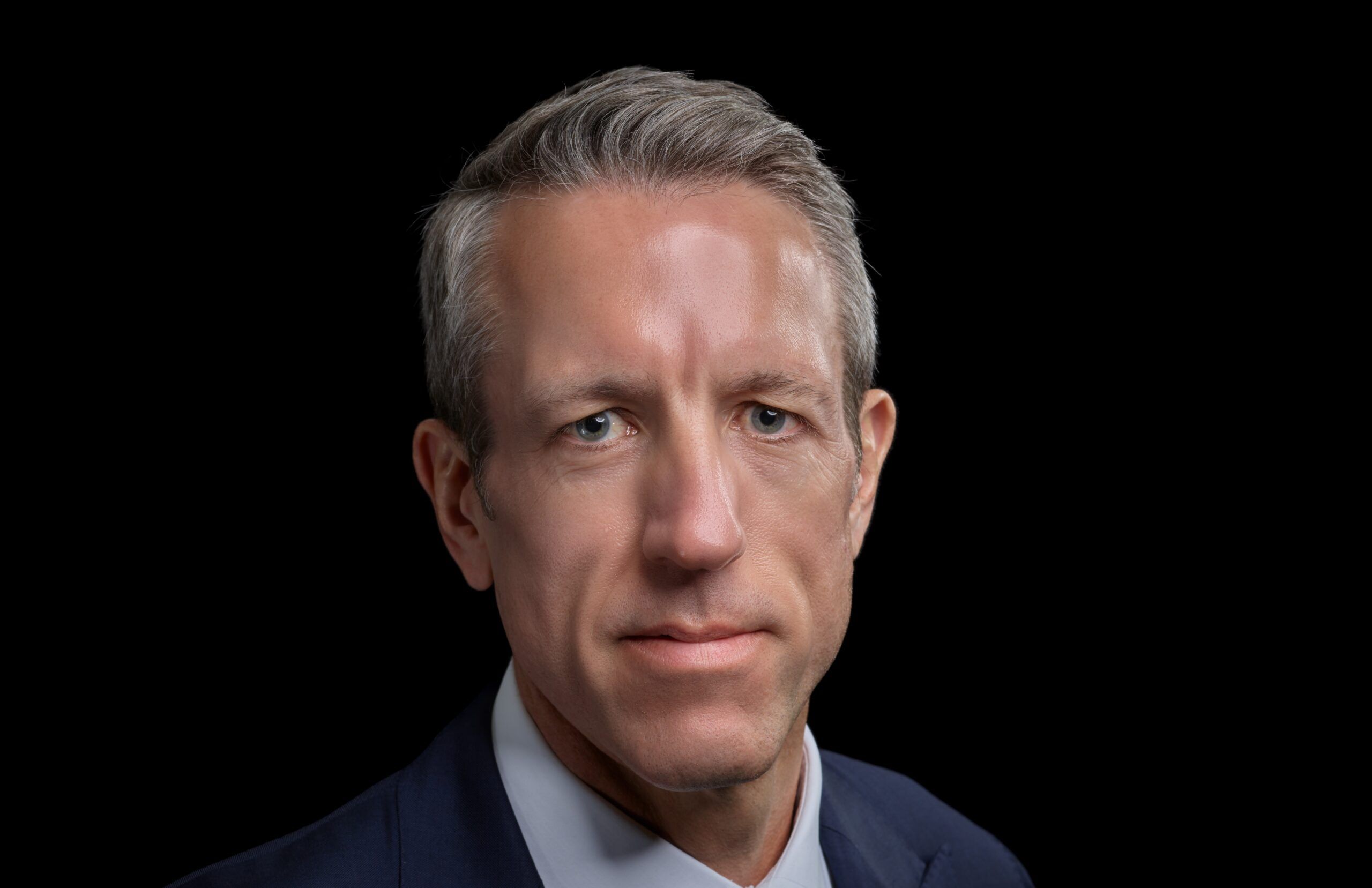
The prevalence of traditional wealth structures in Asia is creating succession planning risks, says Utmost’s Mark Christal.
This week FSA provides a quick comparison of two Asia ex-Japan equity funds: the Eastspring Inv Asian Equity Income fund and the Jupiter Asia Pacific Income fund.
This week FSA provides a quick comparison of two Asia ex-Japan equity funds: the Eastspring Inv Asian Equity Income fund and the Jupiter Asia Pacific Income fund.

Investors should remain invested, diversify, and take a long-term view, says Fidelity’s HK head, Charlotte Chan.
This week FSA provides a quick comparison of two Asia ex-Japan equity funds: the Eastspring Inv Asian Equity Income fund and the Jupiter Asia Pacific Income fund.
This week FSA provides a quick comparison of two Asia ex-Japan equity funds: the Eastspring Inv Asian Equity Income fund and the Jupiter Asia Pacific Income fund.
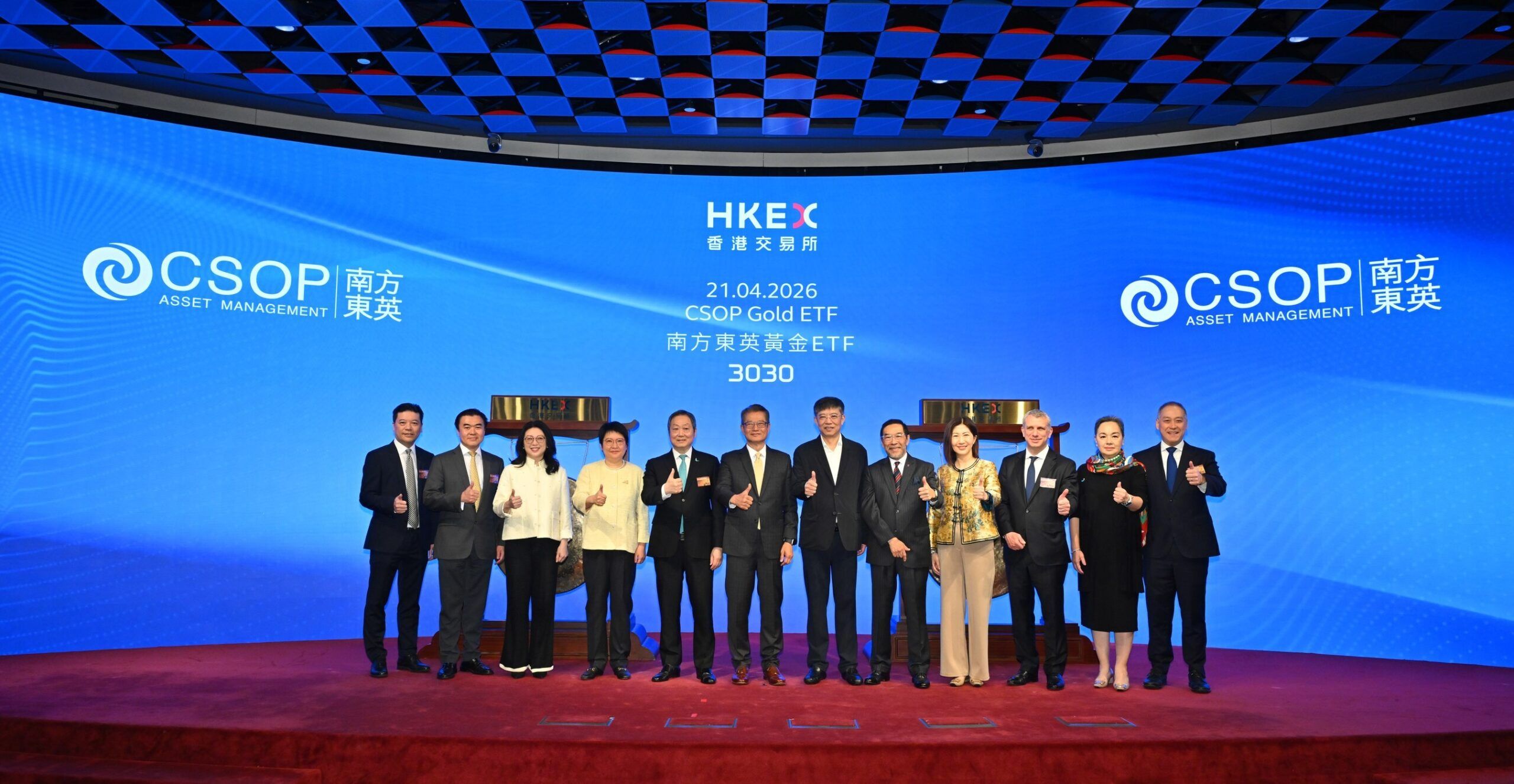
The CSOP Gold ETF will hold physical gold bullion stored in Hong Kong.
Capital Group CEO Mike Gitlin expects smaller boutique firms to survive on satellite allocations and larger firms taking more market share of investors’ core exposure.

The asset management industry will continue to consolidate as passive products keep gaining market share and institutions increasingly narrow their roster of investment solution providers.
This is the view of Mike Gitlin, CEO of Los Angeles based Capital Group, the world’s largest active fund manager with $3.4trn in funds under management.
“I think you’re going to see more deals this year than last year,” Gitlin said at a fireside chat at Capital Group’s Singapore office on Wednesday. “That is going to be a persistent theme of industry consolidation.”
Although Capital Group has no intentions to acquire other players, Gitlin said the firm wants to “drive” consolidation in order to grow its market share.
“We don’t simply want to be the beneficiaries of consolidation with more share going to the biggest participants. We want to help drive consolidation,” he said.
“We think the number of active managers our clients use is going to shrink, and that widens the opportunity set for Capital Group. We believe in that, and we see it every day in our conversations with clients.”
“The days of our clients using 100 or 200 active managers is over,” he said. “They’re all shrinking their list of partners. We feel like we’re well-positioned to grow share there, both mind share and market share.”
“There are plenty of assets to be managed globally for all of us who are remaining.”
As asset managers face shrinking fees and fierce competition from the largest asset managers leveraging scale, some firms have been turning to acquisitions.
Schroders last week agreed to be acquired by its US rival Nuveen in a $13.4bn deal, while Janus Henderson confirmed late last year it would be taken private by Trian Fund Management and General Catalyst for $7.4bn.
As for what the industry will look like as investment firms either combine or get squeezed out, Gitlin still sees a place for smaller boutique firms with specialised products.
“I think you’ll have this space for satellites that some small niche providers can occupy, but the big core will be the largest managers, and what gets hollowed out is the middle, and that’s what we’re seeing now,” he said.
Investors are increasingly splitting their portfolios into either core and satellite allocations, according to Gitlin, who expects the core to be “occupied by the largest managers in the world”.
He said: “I think there’s room on both ends of the spectrum: small, niche providers who can do something exceptionally well and stay focused on what they’re doing and don’t find any hobbies, and then on the far right, the largest managers who aren’t just large but are resourceful.”
Capital Group’s efforts to grow its core business of actively managed solutions has been particularly successful in Asia, according to Guy Henriques, president, Europe & Asia-Pacific client group at Capital Group.
The firm has seen its assets under management in Asia quadruple over the past five years, Henriques said, with asset growth accelerating more recently as it has expanded its presence in the region.
Furthermore, despite ongoing concerns surrounding the gating of some private credit funds by alternative asset managers, Henriques said wealth clients in Asia continue to invest in the asset class.
He also is seeing “enormous” interest in fixed income mandates, as well as standard 60/40 balanced funds.
Capital Group CEO Mike Gitlin expects smaller boutique firms to survive on satellite allocations and larger firms taking more market share of investors’ core exposure.
The private markets investor Pantheon has expanded its product offering with the launch of a fund investing in the infrastructure secondaries market. Domiciled in Luxembourg, the Pantheon Global Infrastructure Secondaries (PGIS) fund aims to comprise a high conviction portfolio and will be managed by the group’s institutional infrastructure arm. “The new fund will aim to…

NAM will act as sub-investment manager for Pathfinder’s Responsible Investment fund and Global Water fund.