Nordea AM gains Pathfinder mandate
NAM will act as sub-investment manager for Pathfinder’s Responsible Investment fund and Global Water fund.


NAM will act as sub-investment manager for Pathfinder’s Responsible Investment fund and Global Water fund.
NAM will act as sub-investment manager for Pathfinder’s Responsible Investment fund and Global Water fund.
This week FSA provides a quick comparison of two Asia ex-Japan equity funds: the Eastspring Inv Asian Equity Income fund and the Jupiter Asia Pacific Income fund.
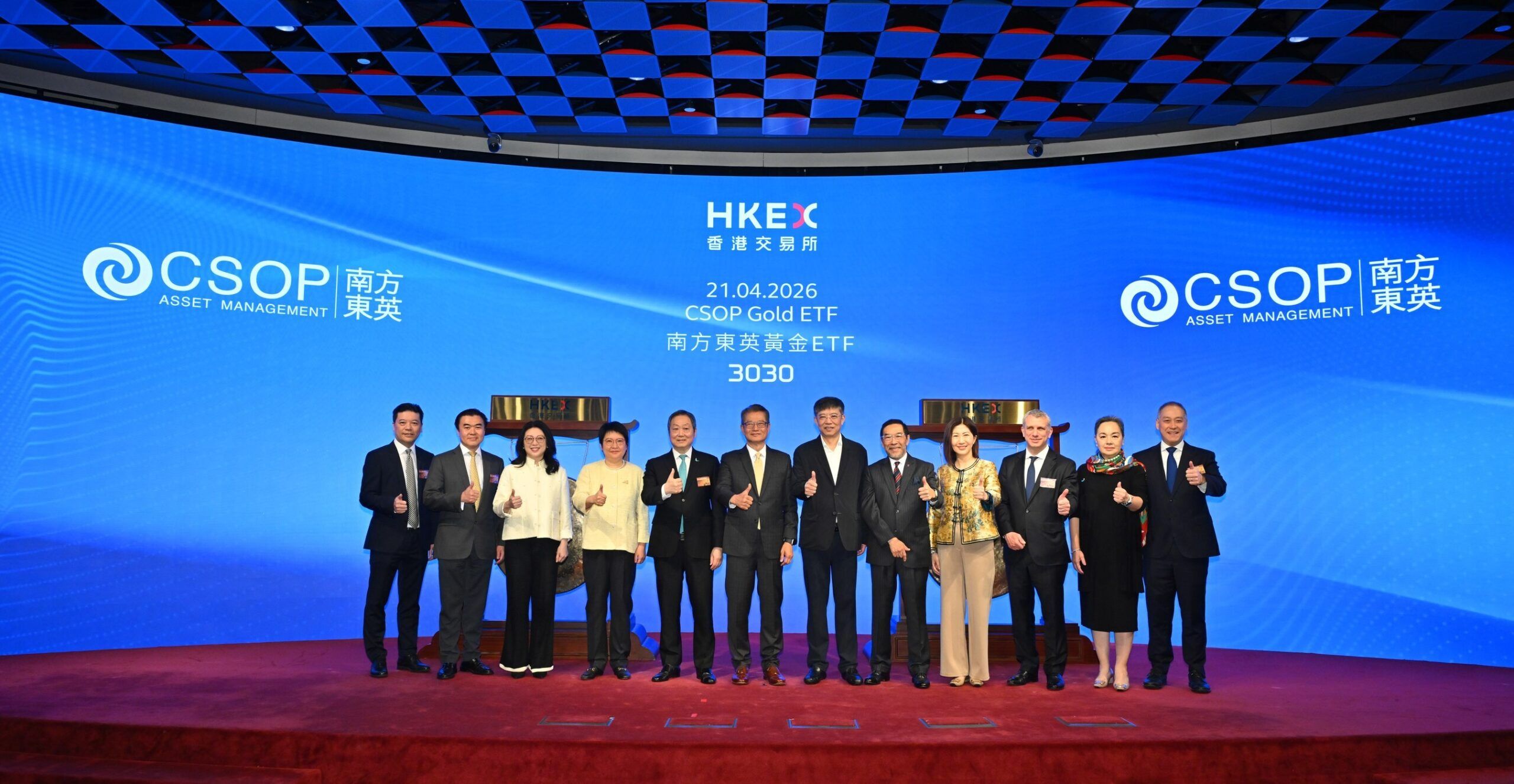
The CSOP Gold ETF will hold physical gold bullion stored in Hong Kong.
The CSOP Gold ETF will hold physical gold bullion stored in Hong Kong.

Coinbase serves as the stablecoin payments and liquidity infrastructure, wallet provider, and regulated custodian.
Sponsored by Loomis Sayles & Natixis
The Growth Equity Strategies Team at Loomis Sayles, an affiliate of Natixis Investment Managers, demonstrates that patience, discipline and conviction result in consistent, peer-leading risk-adjusted compounding over cycles.

Managers from Rathbones and RLAM explain how they navigate the energy challenges of investing in tech.
The CSOP Gold ETF will hold physical gold bullion stored in Hong Kong.
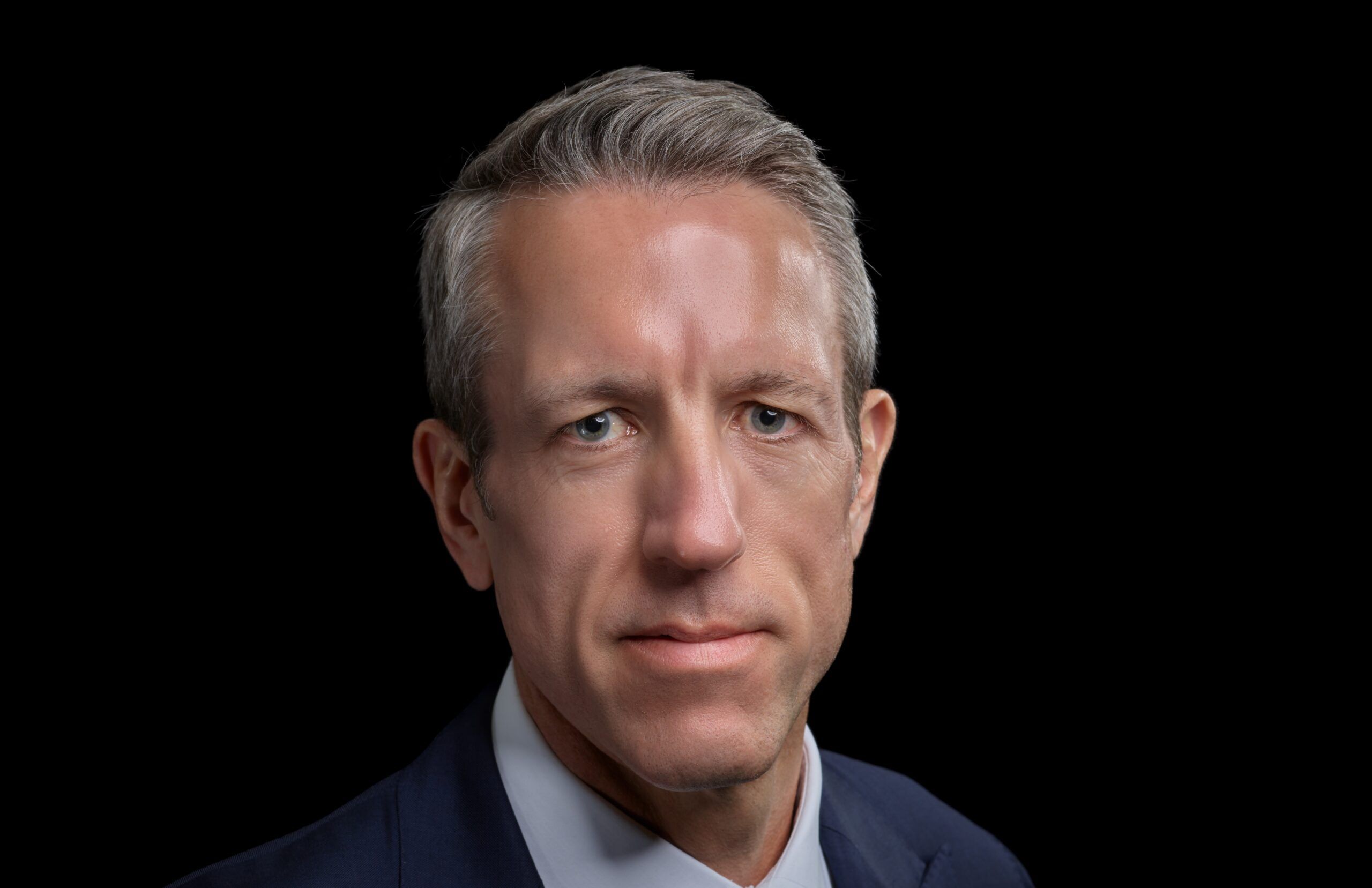
The prevalence of traditional wealth structures in Asia is creating succession planning risks, says Utmost’s Mark Christal.
The prevalence of traditional wealth structures in Asia is creating succession planning risks, says Utmost’s Mark Christal.
Managers from Rathbones and RLAM explain how they navigate the energy challenges of investing in tech.
This week FSA provides a quick comparison of two Asia ex-Japan equity funds: the Eastspring Inv Asian Equity Income fund and the Jupiter Asia Pacific Income fund.
This week FSA provides a quick comparison of two Asia ex-Japan equity funds: the Eastspring Inv Asian Equity Income fund and the Jupiter Asia Pacific Income fund.

Investors should remain invested, diversify, and take a long-term view, says Fidelity’s HK head, Charlotte Chan.
This week FSA provides a quick comparison of two Asia ex-Japan equity funds: the Eastspring Inv Asian Equity Income fund and the Jupiter Asia Pacific Income fund.
This week FSA provides a quick comparison of two Asia ex-Japan equity funds: the Eastspring Inv Asian Equity Income fund and the Jupiter Asia Pacific Income fund.
The CSOP Gold ETF will hold physical gold bullion stored in Hong Kong.
The prevalence of traditional wealth structures in Asia is creating succession planning risks, says Utmost’s Mark Christal.

By Mark Christal, head of Asia at Utmost, a global provider of insurance-based wealth solutions.
Global wealth is becoming increasingly mobile as the borders of the world shrink for high and ultra-high net worth (HNW and UHNW) families.
Wealth is growing and the number of HNW and UHNW families is rising in Asia, yet the prevalence of traditional wealth structures across the region is creating succession planning risks as their wealth strategies struggle to accommodate the portability required.
Residency in Asia is increasingly dynamic, and family structures are becoming more dispersed. Heirs may go to university in the UK, go on to develop professional careers in the US and inherit wealth while tax resident in a separate jurisdiction. Similarly, investment strategies are becoming more international with assets – whether that is business, property or other investments – spread across different markets and regions.
This makes cross-border compliance increasingly challenging – as well as time and cost expensive – as reporting obligations multiply across different tax jurisdictions.
Tax law and regulatory change are also shifting in Asia – as we are seeing across many major global economies – with increased controlled foreign company (CFC) restrictions and other related measures coming into force. This requires wealth structures that are both compliant across borders and able to satisfy international reporting obligations with ease.
These trends only look set to accelerate and so long-term financial planning needs to centralise strategies that assume mobility and flexibility. Yet many Asian HNW and UHNW families continue to rely on wealth strategies that implicitly assume stability, long-term residence and regulatory consistency.
In fact, legacy wealth structures continue to dominate across Asia, reflecting entrenched practices rather than intentional long-term planning, despite growing inefficiencies.
Too often, the reality of these issues is only addressed head-on at the point of succession, at which point the dangers are at their highest. Succession planning is a multi-decade event, and it is absolutely critical that families have the correct structures in place to manage this process otherwise the risk of unexpected tax bills or regulatory and legal issues rise.
The frequency at which we encounter these problems in the market demonstrates just how many of Asia’s wealthy are still not anticipating the changing world in which they live.
However, as the trends driving Asia’s HNW and UNHW globalisation accelerate, so too is market and product innovation. Insurance-based wealth solutions and other globally resilient planning frameworks are coming to fore.
NMG Consulting’s study for Utmost revealed a 6% increase in new business sales for HNW international life insurance in Asia, reaching £7.8bn ($10.5bn) in 2024 and accounting for nearly a fifth (19%) of all global new business.
These long-term structures are specifically designed to operate across borders and interest among HNW and UHNW advisers is increasing. They allow clients to consolidate a wide range of investments into a single, tax-efficient solution that is portable between jurisdictions, while offering potential benefits such as enhanced legacy planning and control over succession, confidentiality and long-term planning flexibility.
The flexibility of these products allows HNWIs to pair residency or citizenship planning with tailored wealth vehicles and offer policies that are anchored in stable jurisdictions in an uncertain world.
While sales of these mobility-friendly structures is on the rise, penetration is still low relative to the region’s overall wealth and the scale of cross-border complexity. This suggests a familiar pattern: awareness is increasing faster than implementation, with both still lagging meaningfully behind the realities of modern wealth ownership.
Advisers recognise the benefits and future-proofing value that insurance-based products offer but, for many of the region’s affluent, traditional wealth structures have a comforting familiarity. It is how wealth has been successfully managed by their ancestors for decades. But familiarity should not be confused with resilience.
Asian HNW and UHNW families are going global, but they must ensure that their wealth planning does not remain stuck at home.
NAM will act as sub-investment manager for Pathfinder’s Responsible Investment fund and Global Water fund.
This week FSA provides a quick comparison of two Asia ex-Japan equity funds: the Eastspring Inv Asian Equity Income fund and the Jupiter Asia Pacific Income fund.
The prevalence of traditional wealth structures in Asia is creating succession planning risks, says Utmost’s Mark Christal.