Muzinich hires client relations VP
Sarah Ng joins Muzinich in Singapore from Wellington Management.

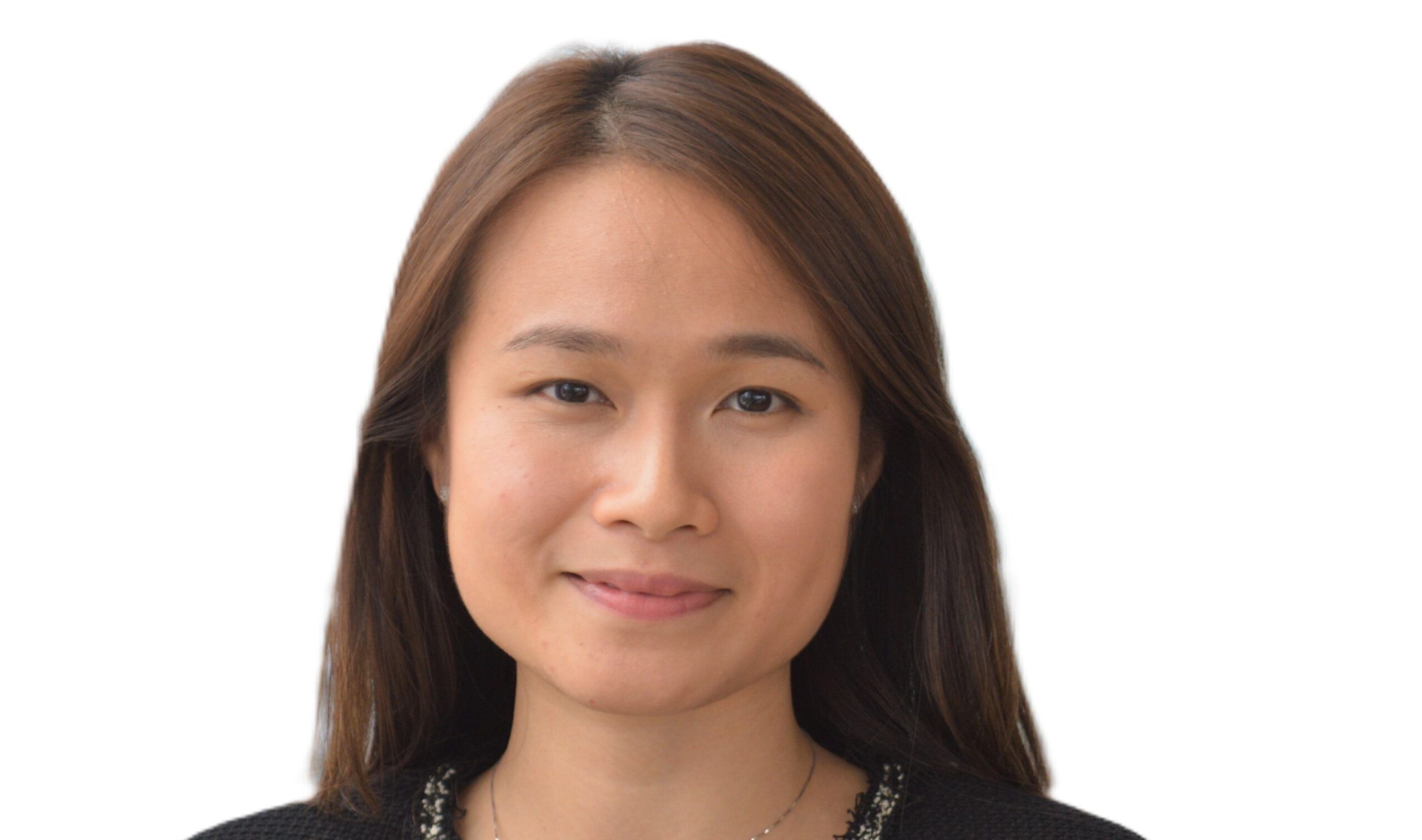
Sarah Ng joins Muzinich in Singapore from Wellington Management.
Sarah Ng joins Muzinich in Singapore from Wellington Management.
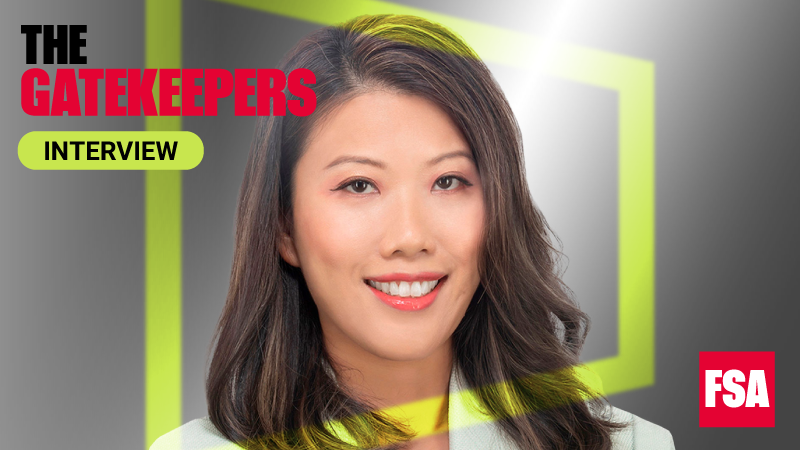
Portfolio construction should always strike the right balance between optimism and caution, says Connie Sin, head of funds and alternatives, International Wealth Management, Nomura
Sarah Ng joins Muzinich in Singapore from Wellington Management.
Sarah Ng joins Muzinich in Singapore from Wellington Management.
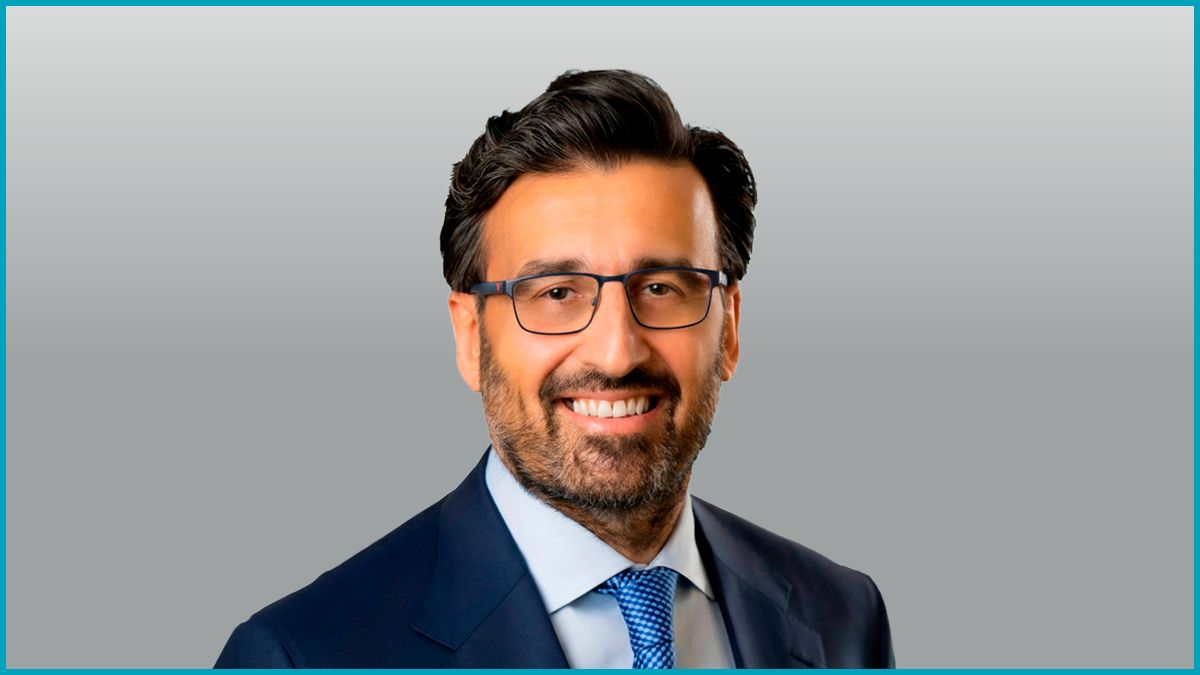
Schroders chief executive Richard Oldfield says he is seeing a shift to an originate to distribute model in private credit.
Sponsored by Loomis Sayles & Natixis
The Growth Equity Strategies Team at Loomis Sayles, an affiliate of Natixis Investment Managers, demonstrates that patience, discipline and conviction result in consistent, peer-leading risk-adjusted compounding over cycles.
Sarah Ng joins Muzinich in Singapore from Wellington Management.
Schroders chief executive Richard Oldfield says he is seeing a shift to an originate to distribute model in private credit.
Portfolio construction should always strike the right balance between optimism and caution, says Connie Sin, head of funds and alternatives, International Wealth Management, Nomura
Portfolio construction should always strike the right balance between optimism and caution, says Connie Sin, head of funds and alternatives, International Wealth Management, Nomura
Schroders chief executive Richard Oldfield says he is seeing a shift to an originate to distribute model in private credit.

FSA compares GQG Partners Global Equity fund with JOHCM Global Opportunities fund in a head-to-head.
FSA compares GQG Partners Global Equity fund with JOHCM Global Opportunities fund in a head-to-head.

This week FSA provides a quick comparison of two global energy equity funds: the BlackRock BGF World Energy fund and the Schroder ISF Global Energy fund.
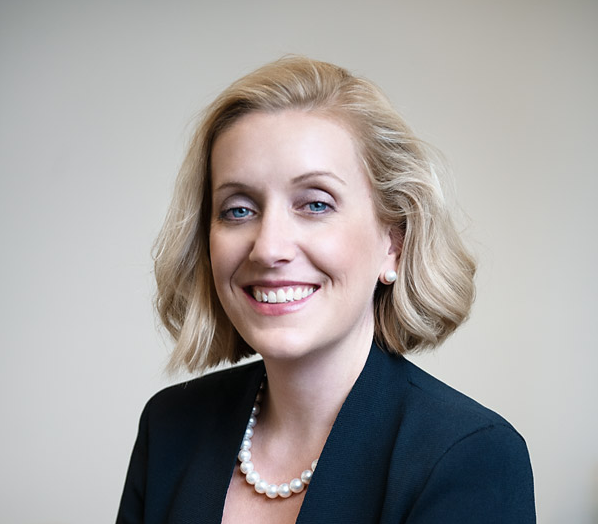
Camilla Love has been appointed as head of Australia & New Zealand to lead the firm’s distribution across the region.
Camilla Love has been appointed as head of Australia & New Zealand to lead the firm’s distribution across the region.

Stocks give up some of the gains made last week.
Portfolio construction should always strike the right balance between optimism and caution, says Connie Sin, head of funds and alternatives, International Wealth Management, Nomura

In the first of our series of exclusive gatekeeper interviews, FSA speaks with Connie Sin, head of funds and alternatives at International Wealth Management, Nomura.
What attracted you to the wealth management industry?
I was drawn to wealth management because it combines three elements I’m passionate about: growth, empowerment, and financial improvement. This industry gives me the opportunity to work directly with investment professionals and clients from diverse backgrounds and cultures.
The process of wealth planning and portfolio construction creates value not just for clients but also enhances my own professional growth as I navigate complex market dynamics. I’m passionate about the empowerment that comes from financial improvement, and I genuinely enjoy being in a people business where I can work with clients from diverse backgrounds and cultures, as well as share insights with people from different industry backgrounds.
The combination of technical investment expertise with meaningful client relationships – helping clients to understand how thoughtful and disciplined asset allocation can transform their financial futures – is what makes this industry so rewarding.
What has been the highlight of your career so far?
The highlight has been the deep trust relationships I’ve cultivated over the years; relationships that have evolved far beyond professional boundaries. What started as supervisor, colleague, and client-adviser interactions has blossomed into genuine friendships built on mutual respect and shared experiences through various market cycles. I’ve had the privilege of being part of clients’ major life moments – supporting them through challenging times, seeing their financial goals come to fruition, and celebrating their children’s graduations.
Similarly, colleagues who began as professional contacts have become close friends and trusted confidants. These relationships represent the true wealth I’ve accumulated in this industry. When former clients invite you to family celebrations or colleagues become lifelong friends, you realise that the trust you’ve built transcends any portfolio performance. That human connection and the lasting bonds formed through years of partnership – that’s what I’m most proud of.
What’s the most important lesson you’ve learned from fund selection/due diligence during your career?
The most profound lesson I’ve learned is that history keeps repeating itself, yet when it comes to money, everyone seems to lose their memory. I’ve witnessed this pattern countless times. Clients who maintain discipline and focus on longevity consistently outperform those who chase the latest trends, but each market cycle brings a new wave of people convinced that “this time is different”.
From a due diligence perspective, this insight has shaped how I evaluate fund managers. Past performance, while important, tells only part of the story. What truly matters is understanding a fund manager’s investment philosophy and whether their decision-making process remains consistent during periods of stress across market cycles. I’ve learned to dig deeper into the “how” and “why” behind return numbers. The best fund managers I’ve encountered are those who can openly confront their mistakes with complete transparency, demonstrating how they’ve refined their investment process as markets evolve.
Ultimately, due diligence isn’t just about analysing papers or Excel spreadheets; it’s also about assessing character, consistency, and the ability to evolve while staying true to core investment principles. The managers who understand that markets are cyclical – and position themselves accordingly – are the ones who deliver sustainable value over time.
What strategies are you currently recommending to clients, and how has this changed over the past 12 months?
Our approach in 2026 remains consistent with our core philosophy from previous years: portfolio construction should always strike the right balance between optimism and caution. The interplay of macroeconomic forces, regional tensions, and shifting policy dynamics demands a focus on resilience and adaptability. Through our disciplined, data-driven framework, we position portfolios to capture opportunities while safeguarding against downside risks.
However, what has evolved significantly is our definition of true diversification. A genuinely diversified portfolio today extends far beyond traditional stocks and bonds. We’re incorporating alternatives such as private markets, hard assets, commodities, and hedge funds to increase sources of idiosyncratic returns and enhance risk-adjusted performance. True diversification also requires moving beyond home bias by allocating globally across sectors, geographies, and investment styles, targeting assets with low correlations.
We view 2026 as pivotal for AI-driven business expansion, with particular focus on productivity improvements in Japanese and US manufacturing, as well as companies combining AI and robotics to revitalise the manufacturing sector.
Our regional focus has sharpened considerably during the past year. Nomura IWM’s constructive outlook on Asia for 2026 centres on structural reforms, corporate governance improvements, tech-related infrastructure development, and foreign direct investment inflows.
Japan continues to emerge as a standout market, propelled by wage growth and corporate reforms. The Japanese market presents two key upside catalysts in 2026: first, continued solid corporate earnings driven by wage growth and share buybacks that fuel further book value per share growth; second, valuation expansion incorporating future expectations similar to US markets, supported by return-on-equity (ROE) improvements and earnings stabilisation. With concerns over Trump tariffs resolving and corporate governance reforms advancing among domestic companies, Japanese equities retain significant upside potential.
What types of funds have you onboarded recently?
We continue to seek new building blocks that serve our philosophy of constructing resilient, diversified portfolios. Income remains the core foundation of long-term portfolio construction, but diversifying income sources has become essential amid today’s macro uncertainty.
This year, we’ve added different income strategies, moving beyond traditional income and multi-sector approaches to incorporate infrastructure and specialty credit income. We’ve also onboarded multi-strategy funds that align with our long-term, disciplined approach, anchored in global equity dividend and multi-credit income platforms.
On the other end of the spectrum, we continue to add alternatives and hedge funds that deliver resilient, consistent idiosyncratic returns and strong risk management capabilities. These provide the uncorrelated performance our clients need during volatile periods.
For core equity positions, recognising that clients need to position for long-term growth following the recent painful but healthy market correction, we’ve added several regional equity funds with active alpha that consistently outperform ETFs and benchmarks. These include cycle-tested strategies with hedging features or systematic screening overlays that enhance selection processes.
Each addition serves a specific purpose in our portfolio architecture, whether it’s enhancing income diversification, providing downside protection, or capturing alpha in specific regional markets. The goal is to ensure every building block contributes to both resilience and long-term value creation.
What keeps you awake at night?
Ironically, what keeps me awake at night is ensuring our clients can sleep well at night. My biggest concern is helping clients maintain discipline during market turbulence when emotions run high. With social media and 24/7 headline news creating constant noise and amplifying every market movement, I worry about clients making impulsive decisions that could derail their carefully constructed long-term plans.
The challenge isn’t just market volatility; it’s the information overload that makes every correction feel like a crisis and every rally seem like a missed opportunity. I spend considerable time thinking about how to cut through this noise and keep clients focused on their long-term objectives.
I’m also focused on the evolving regulatory landscape and how it might impact our ability to serve clients effectively. Regulations are becoming increasingly complex, and I want to ensure we can continue delivering value while remaining fully compliant.
My concern is ensuring that we adapt our approach and offerings to meet our clients’ needs while maintaining the disciplined, long-term investment philosophy that has served them well over the years.
Sarah Ng joins Muzinich in Singapore from Wellington Management.
Portfolio construction should always strike the right balance between optimism and caution, says Connie Sin, head of funds and alternatives, International Wealth Management, Nomura
Schroders chief executive Richard Oldfield says he is seeing a shift to an originate to distribute model in private credit.