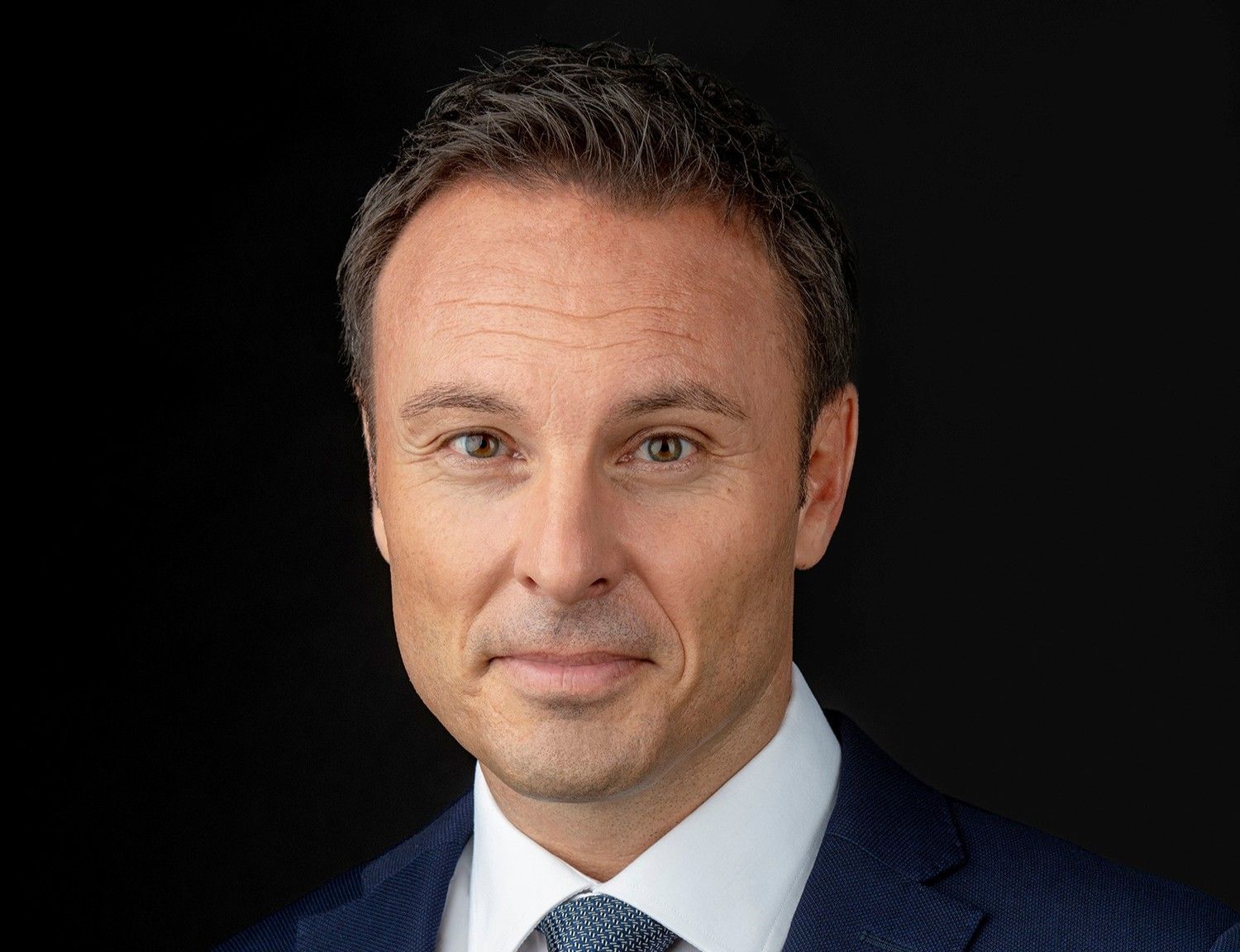
Franklin Templeton appoints Rene Buehlmann as head of Apac
Buehlmann was previously global CEO of Aberdeen Investments.

Buehlmann was previously global CEO of Aberdeen Investments.
Buehlmann was previously global CEO of Aberdeen Investments.
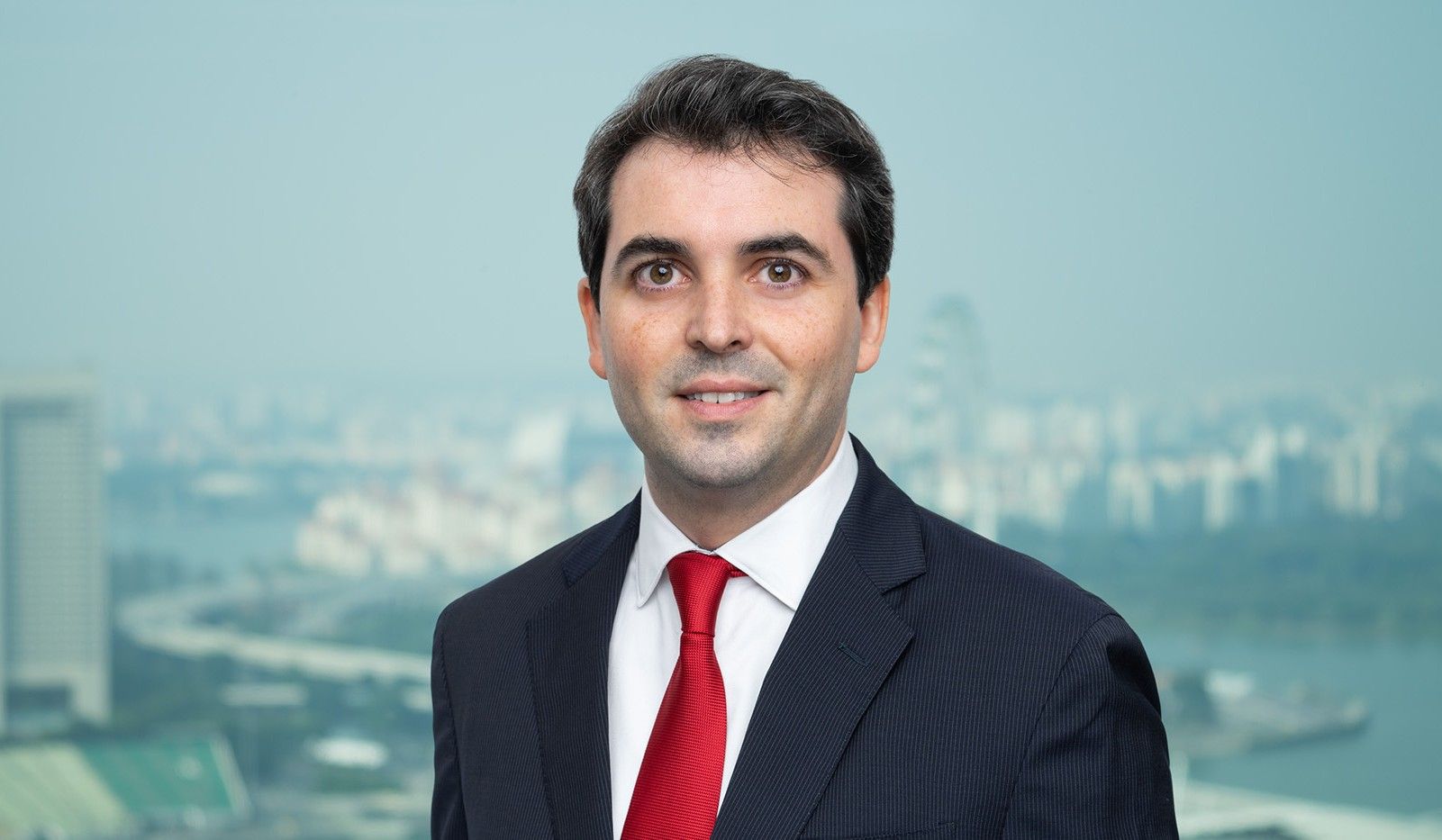
However, there needs to be greater alignment between product design and investor outcomes, Mischa Bitton, head, alternative investments, wealth solutions, Standard Chartered tells FSA.
However, there needs to be greater alignment between product design and investor outcomes, Mischa Bitton, head, alternative investments, wealth solutions, Standard Chartered tells FSA.
However, there needs to be greater alignment between product design and investor outcomes, Mischa Bitton, head, alternative investments, wealth solutions, Standard Chartered tells FSA.
Franklin Templeton’s asset under management hit an all all-time high of $1.8trn on the back of strong equity markets and inflows into alternatives and ETFs.
Sponsored by Loomis Sayles & Natixis
The Growth Equity Strategies Team at Loomis Sayles, an affiliate of Natixis Investment Managers, demonstrates that patience, discipline and conviction result in consistent, peer-leading risk-adjusted compounding over cycles.
However, there needs to be greater alignment between product design and investor outcomes, Mischa Bitton, head, alternative investments, wealth solutions, Standard Chartered tells FSA.

This week FSA compares two Asia Pacific bond funds: the BlackRock GF Asian High Yield Bond fund and the UBS (Lux) SICAV Asian High Yield Bond fund.
However, there needs to be greater alignment between product design and investor outcomes, Mischa Bitton, head, alternative investments, wealth solutions, Standard Chartered tells FSA.
However, there needs to be greater alignment between product design and investor outcomes, Mischa Bitton, head, alternative investments, wealth solutions, Standard Chartered tells FSA.

AI investments, supply shocks and heavy government borrowing are accelerating a repricing of long-term rates, according to BlackRock’s Investment Institute.
This week FSA compares two Asia Pacific bond funds: the BlackRock GF Asian High Yield Bond fund and the UBS (Lux) SICAV Asian High Yield Bond fund.
This week FSA compares two Asia Pacific bond funds: the BlackRock GF Asian High Yield Bond fund and the UBS (Lux) SICAV Asian High Yield Bond fund.

Singapore and Hong Kong continued to record positive net flows despite overall regional outflows.

AllianzGI will also have long-term access to UOB’s retail client network.
AllianzGI will also have long-term access to UOB’s retail client network.
Singapore and Hong Kong continued to record positive net flows despite overall regional outflows.
However, there needs to be greater alignment between product design and investor outcomes, Mischa Bitton, head, alternative investments, wealth solutions, Standard Chartered tells FSA.

As part of a series of interviews with alternatives experts at Asian wealth managers and private banks, FSA speaks with Mischa Bitton, head, alternative investments, wealth solutions, Standard Chartered.
What key trends do you see in alternatives and how are they influencing your allocation decisions?
Infrastructure remains one of the most compelling opportunities in private markets this year, supported by strong investor demand against a backdrop of geopolitical uncertainty, persistent inflation concerns, energy security needs and AI-driven power consumption.
Private equity secondaries have also emerged as an attractive opportunity. As institutional investors actively rebalance portfolios and seek liquidity solutions and private equity managers look to accelerate realisation through continuation vehicles, transaction volumes in the secondary market have reached record levels, creating a deep and growing pool of opportunities. For investors, private equity secondaries can offer a rare combination of private equity upside, enhanced visibility, built-in diversification, and the potential for faster cash flows, making the strategy particularly attractive in today’s market environment.
We also see compelling opportunities in US real estate. After several years of valuation adjustments, investors can now access high-quality assets at more attractive entry points, while benefiting from powerful secular trends such as digitalisation, e-commerce growth, and housing demand. Combined with the potential for income generation, inflation resilience, and portfolio diversification, private real estate is expected to regain interest from investors in the next market cycle.
What specific objectives would you hope to achieve with an alternative allocation and how would you measure success?
The role of alternatives has evolved significantly over the past decade. Investors are no longer looking at private equity, private credit, infrastructure or hedge funds as satellite holdings, but increasingly as core building blocks that can enhance diversification, improve risk-adjusted returns and provide access to opportunities not readily available in public markets.
Our key focus is to improve the investor experience through enhanced downside protection, greater portfolio resilience, and better liquidity solutions.
Beside access to opportunities, we also measure success by how effectively risks and liquidity are managed for investors.
Where are you most likely to allocate more to within the alternatives space in the next twelve months?
We don’t believe there is a single “average” allocation, as it ultimately depends on an investor’s objectives, risk tolerance and liquidity needs. That said, alternatives have become a strategic component of client portfolios rather than a niche allocation. For many investors, we believe an allocation in the region of 15% to 25% is appropriate, with balanced portfolios typically around the 20% mark.
Against a backdrop of persistent market volatility and elevated inflation, we expect demand for hedge funds, infrastructure, and gold to remain robust. These asset classes continue to appeal to investors seeking diversification and portfolio resilience.
In private credit, sentiment has improved as negative headlines have faded. However, some investors are still recalibrating exposures after a period of strong inflows and may shift from overweight to more neutral allocations. Over the medium term, we expect investor demand to broaden beyond secured lending into a wider range of private debt opportunities.
What is the most common challenge or issue you’ve encountered when doing due diligence or assessing existing alternatives allocations?
We would like to see greater alignment between product design and investor outcomes. Over the past decade, private markets have become significantly more accessible to investors, which is a positive development. However, as the industry continues to scale, it is important that fee structures, liquidity terms, and product features remain fair and transparent for investors.
At the same time, communication remains critical. Private markets are long-term investments and periods of slower exits, valuation adjustments, or redemption constraints are not uncommon. The industry has an opportunity to do more to set expectations upfront and communicate clearly throughout the investment lifecycle.
Finally, we think the industry needs better structures, fairer fee models, improved liquidity mechanisms and a stronger alignment of interests between investors, distributors and managers. Ultimately, the firms that succeed will be those that deliver transparency, discipline and strong investor outcomes over the long term.
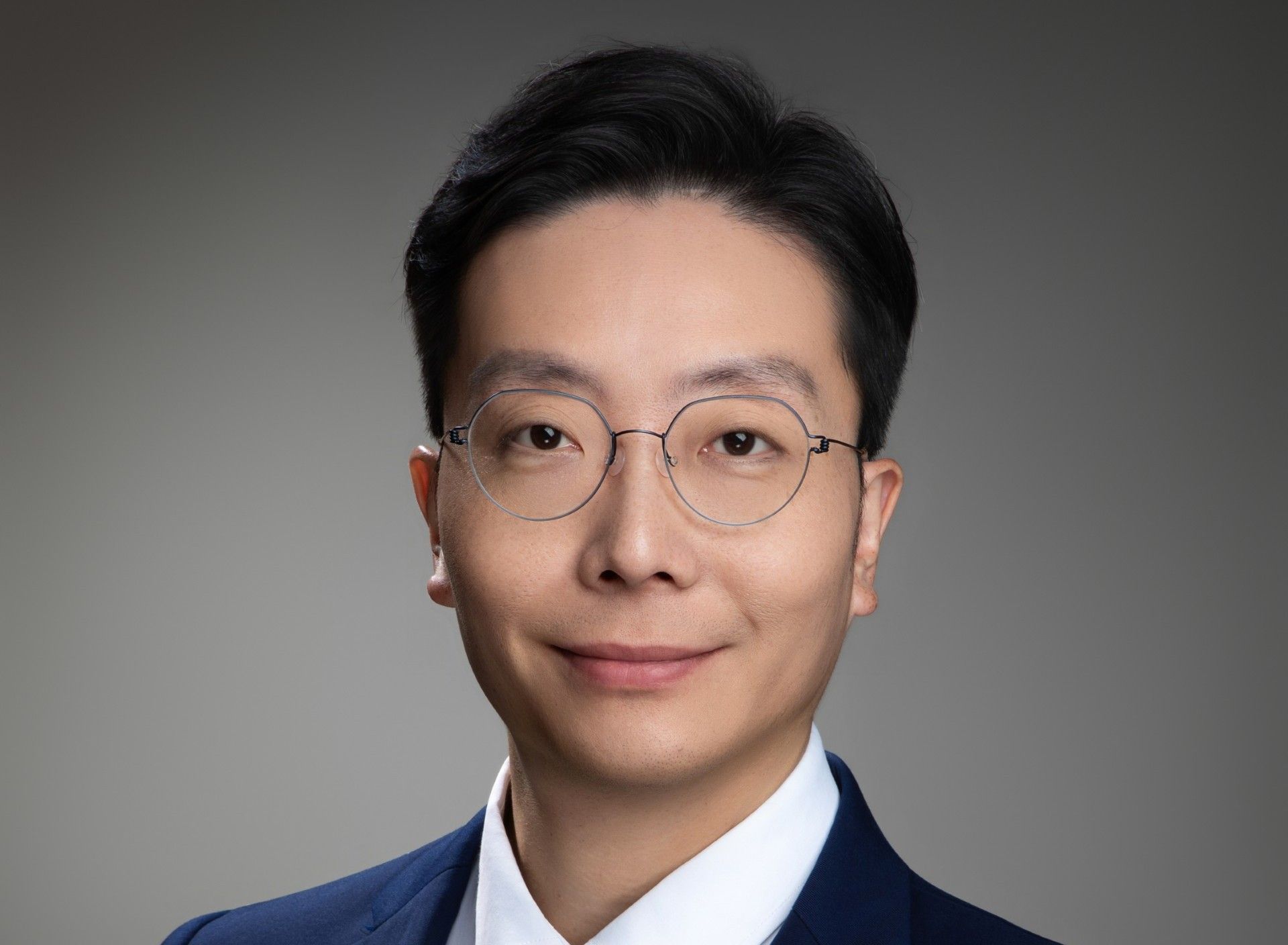
Edward Lo joins Federated Hermes from Baillie Gifford, where he led financial intermediary distribution in the region.

The fund invests in a global portfolio of around 50 Shariah-compliant growth companies.
AI investments, supply shocks and heavy government borrowing are accelerating a repricing of long-term rates, according to BlackRock’s Investment Institute.