BlackRock authorised for its first tokenised money market fund in Hong Kong
Investors will be able to use HKDAP issued by Standard Chartered-led Anchorpoint Financial Limited to subscribe and redeem from the fund.


Investors will be able to use HKDAP issued by Standard Chartered-led Anchorpoint Financial Limited to subscribe and redeem from the fund.
Investors will be able to use HKDAP issued by Standard Chartered-led Anchorpoint Financial Limited to subscribe and redeem from the fund.
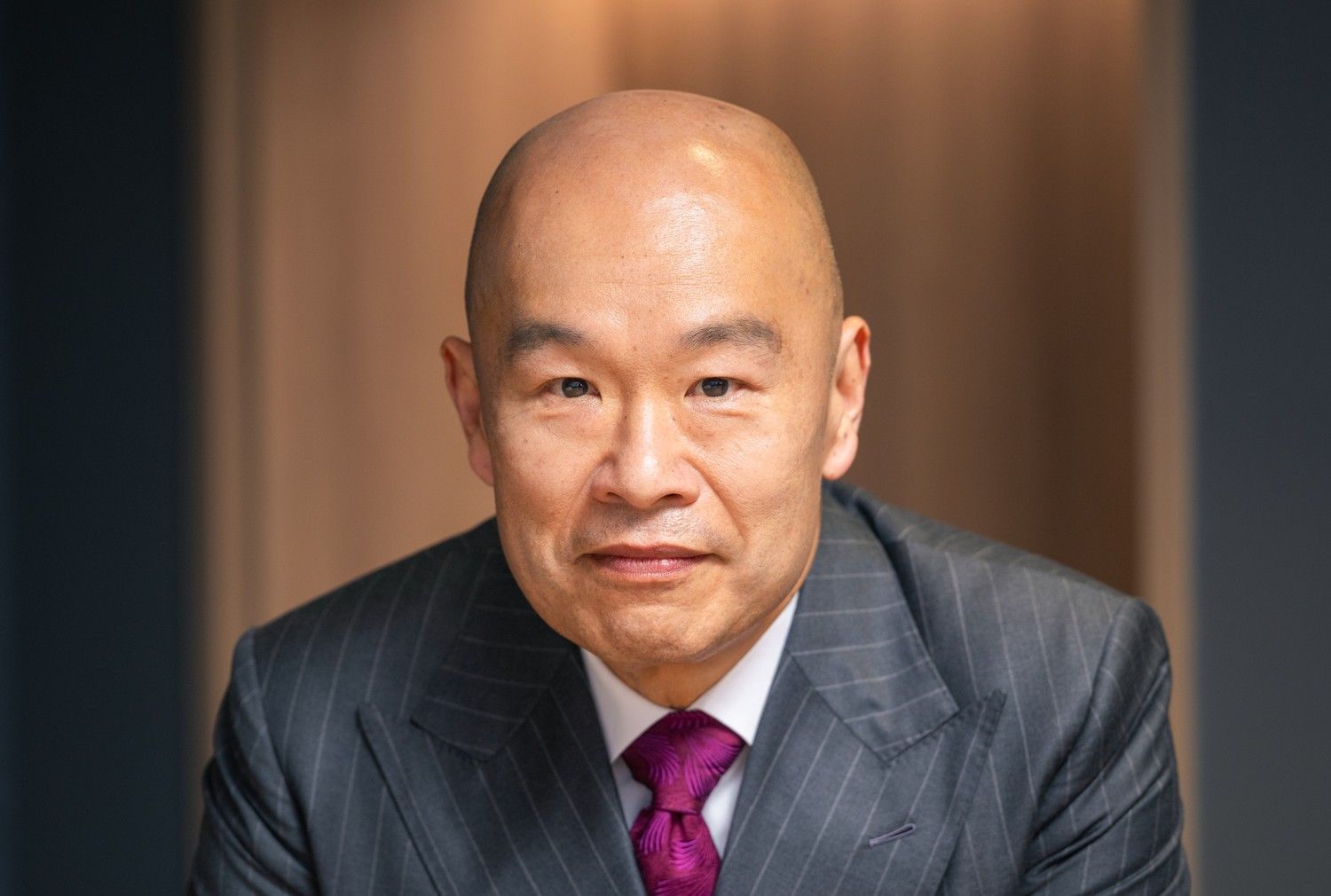
Bryan Goh, CEO, Tsao Family Office tells FSA that he likes to see managers lose money and recover, not just their high watermarks but their equanimity.
Investors will be able to use HKDAP issued by Standard Chartered-led Anchorpoint Financial Limited to subscribe and redeem from the fund.
Investors will be able to use HKDAP issued by Standard Chartered-led Anchorpoint Financial Limited to subscribe and redeem from the fund.
Bryan Goh, CEO, Tsao Family Office tells FSA that he likes to see managers lose money and recover, not just their high watermarks but their equanimity.
Sponsored by Loomis Sayles & Natixis
The Growth Equity Strategies Team at Loomis Sayles, an affiliate of Natixis Investment Managers, demonstrates that patience, discipline and conviction result in consistent, peer-leading risk-adjusted compounding over cycles.
Investors will be able to use HKDAP issued by Standard Chartered-led Anchorpoint Financial Limited to subscribe and redeem from the fund.
Bryan Goh, CEO, Tsao Family Office tells FSA that he likes to see managers lose money and recover, not just their high watermarks but their equanimity.
The further away the policy rate is from zero, the more headroom there is for cuts, argue PGIM economists.
The further away the policy rate is from zero, the more headroom there is for cuts, argue PGIM economists.
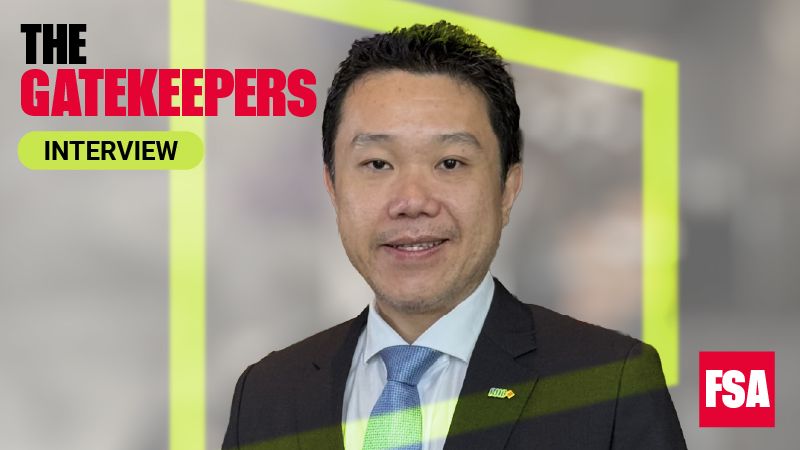
Strategies should fit into investors’ individual objectives, Edwin Leong, head, group product solutions & research at RHB Group Asset Management tells FSA.

This week FSA compares two Greater China equities funds: the Manulife China Value fund and the PineBridge Greater China Equity fund.
This week FSA compares two Greater China equities funds: the Manulife China Value fund and the PineBridge Greater China Equity fund.

FSA highlights three actively managed biotechnology equity strategies that have more than doubled in value over the recent 14-month period.
Investors will be able to use HKDAP issued by Standard Chartered-led Anchorpoint Financial Limited to subscribe and redeem from the fund.
Investors will be able to use HKDAP issued by Standard Chartered-led Anchorpoint Financial Limited to subscribe and redeem from the fund.
This week FSA compares two Greater China equities funds: the Manulife China Value fund and the PineBridge Greater China Equity fund.
Bryan Goh, CEO, Tsao Family Office tells FSA that he likes to see managers lose money and recover, not just their high watermarks but their equanimity.

As part of a series of interviews with alternatives experts at Asian wealth managers and private banks, FSA speaks with Bryan Goh, CEO, Tsao Family Office.
What key trends do you see in alternatives?
On the supply side, general partners (GPs) have in the last few years sought new sources of capital as institutional investors’ demand tapered. These efforts gave rise to evergreens and semi liquids aimed at private wealth channels. They have proven themselves under some stress and have met modest success.
Hedge fund demand has returned in the last few years driven by the performance of mega sized pods, quants and multi strategies. That hyper-concentrated benchmarks have left active managers trailing has also shifted demand towards hedge funds in the hope of returns with less beta.
Real asset demand has been driven by inflation fears. Inflation isn’t going away. Also, fears of fiat currency debasement have driven investors towards real assets.
Finally, gold, has also been driven by these two fears: inflation and currency debasement. Success brings its own challenges as widespread adoption of gold as a hedge has impaired its function as a hedge.
We’ve been patient to see if evergreens were fit for purpose and find that they are. There remain some concerns about the balance between investing and capital formation. We still prefer the private funds structure but will no longer exclude semi liquids.
We’ve been constant investors in hedge funds but are aware that alpha can be negative and therefore are more selective with hedge funds than with active long only.
We’ve also been constant investors in real assets and see opportunities to increase allocations as they align with our impact themes of environmental and social sustainability.
We don’t see gold as a hedge for anything but we do tactically position in the metal. Recently we’ve bought into weakness but place a less than 50% chance of an all-time high before the year is out.
What specific objectives would you hope to achieve with an alternative allocation ?
We are active in private equity, credit and real assets. Our objectives here are heavily aligned with our impact mandate as private markets hold the best opportunities for additionality and materiality.
In hedge funds we seek outright returns. We have notional costs of capital related to factors including fund and underlying asset liquidity as well as strategy complexity.
Diversification is hard to find when risks are properly accounted for in private markets or hedge funds so we are realistic about what diversification benefits we can actually obtain.
Where are you most likely to allocate more to within the alternatives space (in the next twelve months?
Our impact mandate will certainly lead to more private markets exposure. Impact has long been the preserve of private equity, but private credit is now an important source of capital for social enterprises and environmental investments.
Our hedge fund exposure will likely remain level as we are likely to fund new investments with redemptions. It’s very manager dependent and hard to generalise.
Gold is a trade for us. We think that the trend is up, but corrections can be deep, and they have been, and protracted.
What is the most common challenge or issue you’ve encountered when doing due diligence or assessing existing alternatives allocations?
I’ve got a whole article on how not to invest in alternatives with a long list of “don’ts”.
If I single out one, it is track record. Track records are for explanation not extrapolation. We’ve invested equally in managers who’ve done great only to do poorly, and in those who’ve done poorly only to do well. I like to see managers lose money and recover, not just their high watermarks but their equanimity.
The five internal appointees have been re-located to Hong Kong and Singapore.
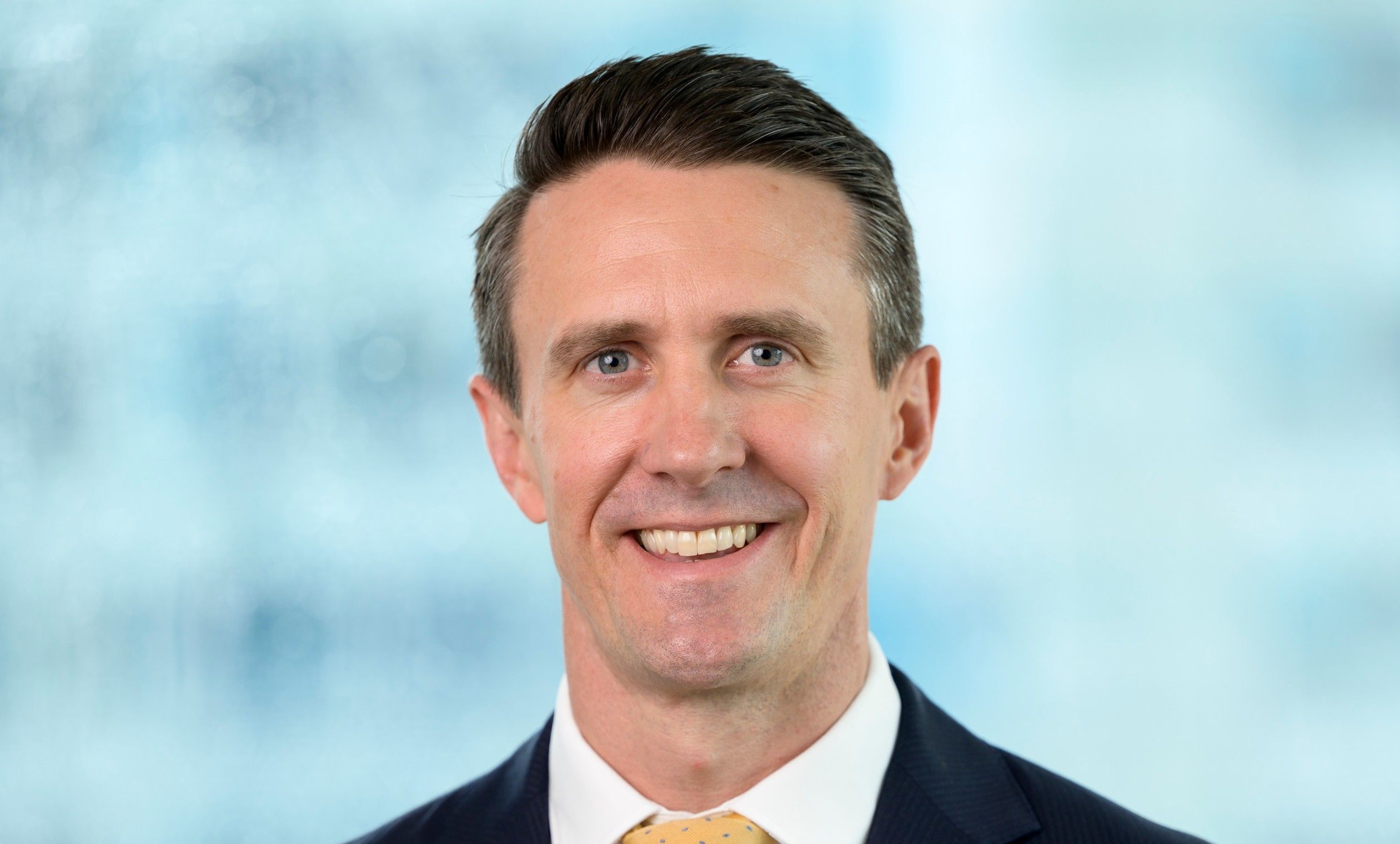
Helyar succeeds Lochiel Crafter, who recently retired, and reports to Stefan Gmuer, head of International.
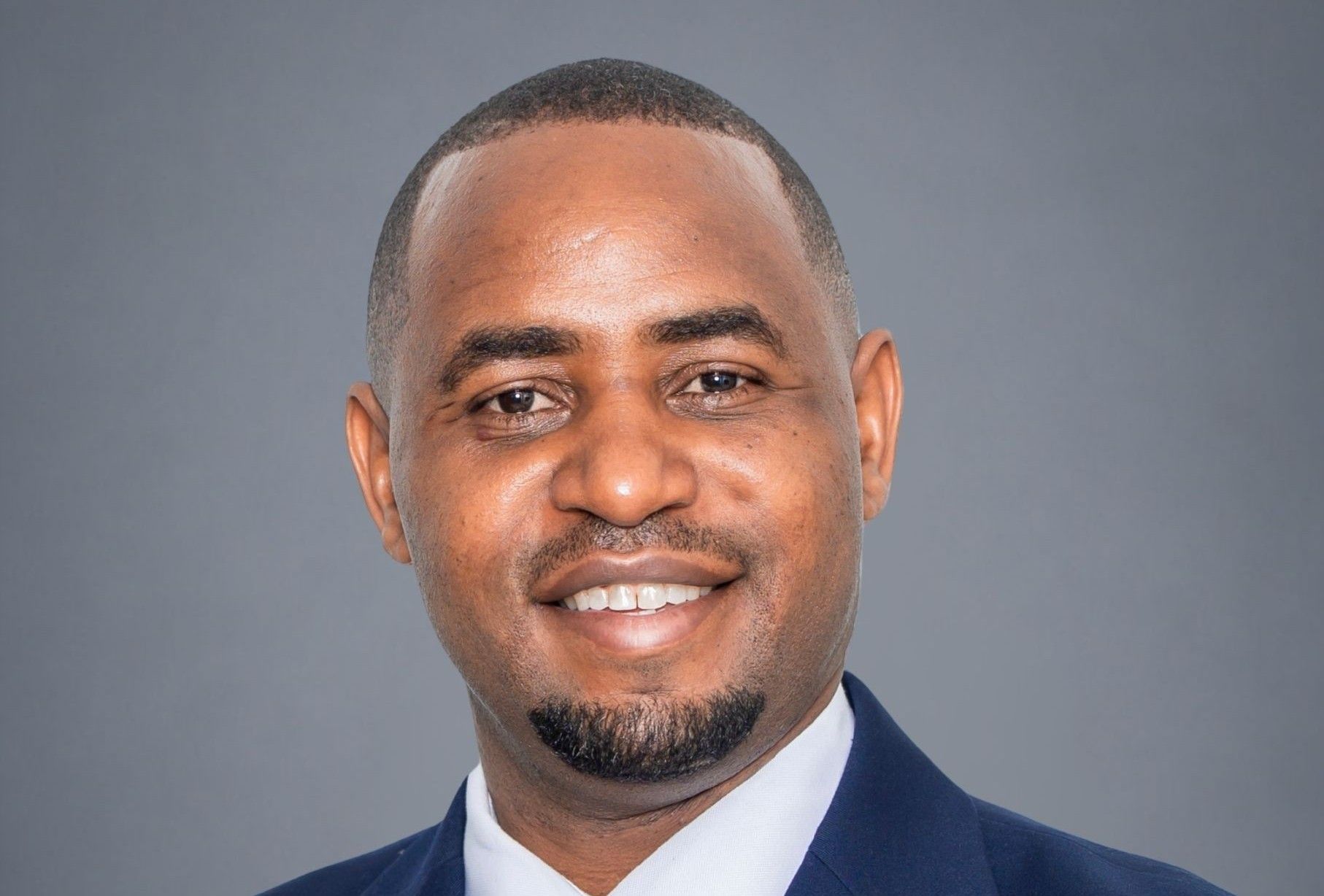
Rwanda’s Minister of State for Infrastructure, Jean de Dieu Uwihanganye, will be based on Hong Kong.