PAG: Asian real estate offers attractive credit opportunities
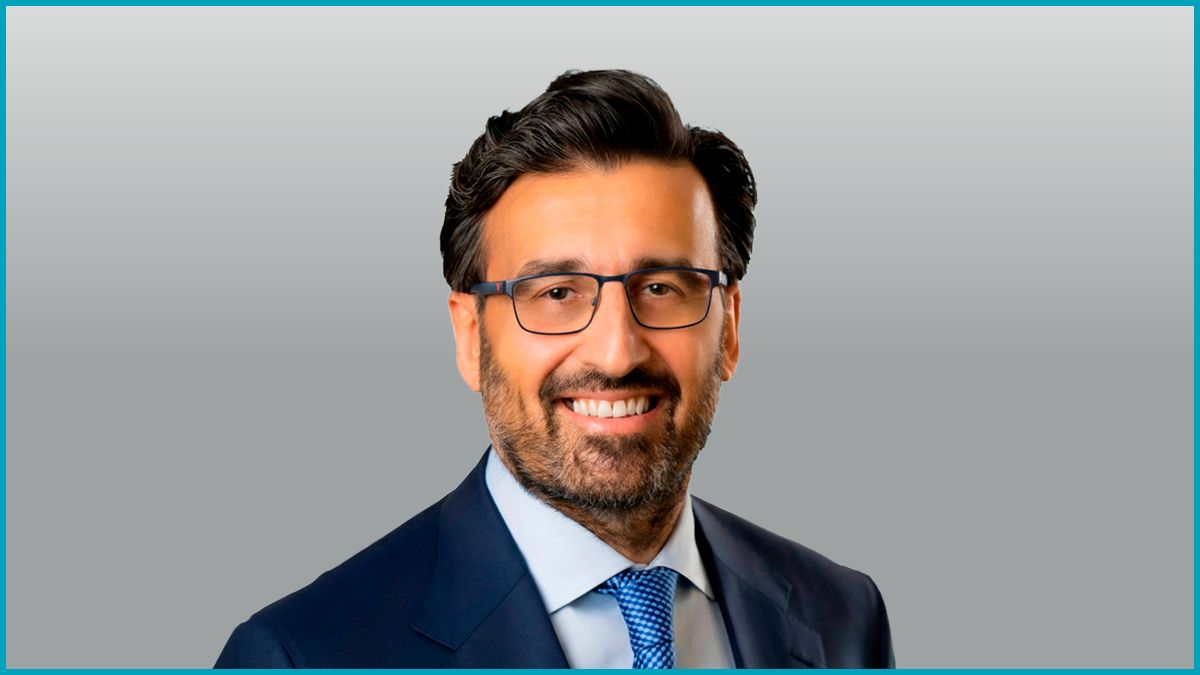
Real estate-backed private debt remains attractive in Asia, says Chris Gradel, CEO and co-founder of PAG, one of the region’s largest alternative asset managers.


Real estate-backed private debt remains attractive in Asia, says Chris Gradel, CEO and co-founder of PAG, one of the region’s largest alternative asset managers.
Real estate-backed private debt remains attractive in Asia, says Chris Gradel, CEO and co-founder of PAG, one of the region’s largest alternative asset managers.
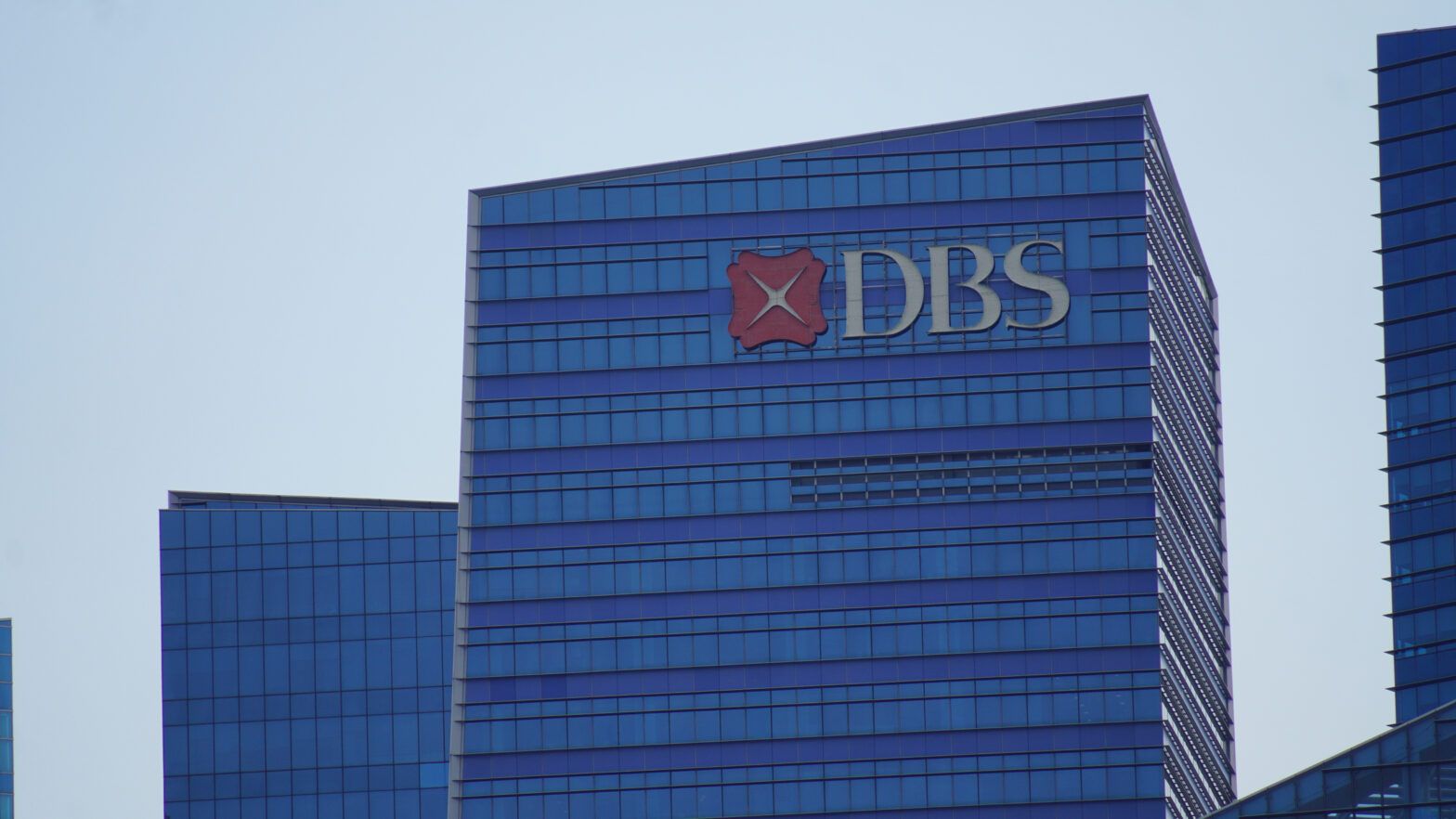
The Singaporean bank said it will offer tokenized gold to retail investors backed by physical gold held in a Singapore vault.
Real estate-backed private debt remains attractive in Asia, says Chris Gradel, CEO and co-founder of PAG, one of the region’s largest alternative asset managers.
Real estate-backed private debt remains attractive in Asia, says Chris Gradel, CEO and co-founder of PAG, one of the region’s largest alternative asset managers.
The Singaporean bank said it will offer tokenized gold to retail investors backed by physical gold held in a Singapore vault.
Sponsored by Loomis Sayles & Natixis
The Growth Equity Strategies Team at Loomis Sayles, an affiliate of Natixis Investment Managers, demonstrates that patience, discipline and conviction result in consistent, peer-leading risk-adjusted compounding over cycles.
Real estate-backed private debt remains attractive in Asia, says Chris Gradel, CEO and co-founder of PAG, one of the region’s largest alternative asset managers.
The Singaporean bank said it will offer tokenized gold to retail investors backed by physical gold held in a Singapore vault.
Real estate-backed private debt remains attractive in Asia, says Chris Gradel, CEO and co-founder of PAG, one of the region’s largest alternative asset managers.
Real estate-backed private debt remains attractive in Asia, says Chris Gradel, CEO and co-founder of PAG, one of the region’s largest alternative asset managers.

The global collectibles market is continuing to expand and evolve, particularly in Asia.

This week FSA compares the BlackRock Global Funds – Emerging Markets fund and the MFS Meridian Funds – Emerging Markets Equity fund.
This week FSA compares the BlackRock Global Funds – Emerging Markets fund and the MFS Meridian Funds – Emerging Markets Equity fund.

FSA looks at the top performing funds 100 days after the outbreak of the Iran war on February 28th.
Real estate-backed private debt remains attractive in Asia, says Chris Gradel, CEO and co-founder of PAG, one of the region’s largest alternative asset managers.
Real estate-backed private debt remains attractive in Asia, says Chris Gradel, CEO and co-founder of PAG, one of the region’s largest alternative asset managers.
The Singaporean bank said it will offer tokenized gold to retail investors backed by physical gold held in a Singapore vault.
Real estate-backed private debt remains attractive in Asia, says Chris Gradel, CEO and co-founder of PAG, one of the region’s largest alternative asset managers.

There is a greater opportunity in Asian real estate backed private debt versus Asian direct lending private credit.
This is according to Chris Gradel, CEO and co-founder of PAG, one of Asia’s largest alternative asset managers.
“When you look at Asia, the markets are just a little bit better banked,” Gradel said at the Bloomberg Invest conference in Hong Kong on Wednesday.
“We see less opportunity there; the pricing is not so interesting,” he added. “Where Asia has seen more regulatory pressure on the banks has been on the real estate side.”
“We’re really focused on real estate-backed debt, where we can get a much better risk-reward than on the corporate side, where you get pushed into more stressed and special situations.”
Outside of China, the firm’s real estate investing business has been most active in Japan, South Korea and Australia and New Zealand.
Gradel said that he is most optimistic on Japan, which he described as “a great market” because of the corporate governance reforms.
“There’s so much activist capital now pushing public companies to streamline some non-core businesses that creates opportunities for private equity,” he said.
“But also, corporate Japan still owns huge amounts of real estate which is non-core to the business. We’re seeing more and more pressure on companies to sell non-core real estate, so we think this is a theme that has legs.”
“That corporate governance theme drives lots of opportunities in Japan across multiple asset classes.”
At the end of last year, PAG led a consortium with KKR to buy out Sapporo Real Estate in a $3bn deal.
Gradel is also positive on China, where the firm is starting to see signs of a positive recovery from the consumer after a prolonged property market downcycle.
He said: “We’ve been watching very closely to see when there are signs of that property market stabilising and also watching consumption at the same time.”
“While this property crisis has been going on, Chinese households have been saving like crazy, so there’s about RMB 23trn of household cash savings in the bank. You only need a little bit of that, 3% of that is a 4% GDP impulse.”
“We believe once that comes out, there’ll be a huge demand impulse into China, some of that will also go into equity markets and other investments. That’s an extra boost to China and the global economy that maybe isn’t fully baked into people’s assumptions.”
Gradel said the firm is starting to see positive green shoots in consumer data from China’s largest shopping mall operator, which PAG a few years ago acquired a controlling stake of through Zhuhai Wanda Commercial Management.
“It’s very interesting seeing the retail sales data across the whole country and for the first time we’ve seen sales per visitor data tick positive,” he said.
“Demand may be slow a little due to the Gulf war, but I think at some point in the next 12 to 18 months you could see a nice demand impulse coming through.”
“That could create a more positive cycle through services employment because manufacturing is not really generating new jobs. I think you could see a virtuous cycle coming through in China.”
Real estate-backed private debt remains attractive in Asia, says Chris Gradel, CEO and co-founder of PAG, one of the region’s largest alternative asset managers.
The Singaporean bank said it will offer tokenized gold to retail investors backed by physical gold held in a Singapore vault.
The global collectibles market is continuing to expand and evolve, particularly in Asia.