Jupiter Asset Management CEO: Our size is our superpower
As the industry’s giants grow ever larger and boutiques merge to survive, Jupiter Asset Management chief executive Matthew Beesley is wagering that mid-size is the sweet spot.

As the industry’s giants grow ever larger and boutiques merge to survive, Jupiter Asset Management chief executive Matthew Beesley is wagering that mid-size is the sweet spot.
As the industry’s giants grow ever larger and boutiques merge to survive, Jupiter Asset Management chief executive Matthew Beesley is wagering that mid-size is the sweet spot.

The partnership will make the M&G Total Return Credit Investment fund available to Hong Kong retail investors for the first time.
New collectors and changing tastes reshape the fine wine and rare whisky market, according to a new survey.
New collectors and changing tastes reshape the fine wine and rare whisky market, according to a new survey.
Tan was previously Asia-Pacific CEO of Trafigura and founding partner of Apollo Global Management’s Asia-Pacific business.
Sponsored by Loomis Sayles & Natixis
The Growth Equity Strategies Team at Loomis Sayles, an affiliate of Natixis Investment Managers, demonstrates that patience, discipline and conviction result in consistent, peer-leading risk-adjusted compounding over cycles.
The partnership will make the M&G Total Return Credit Investment fund available to Hong Kong retail investors for the first time.
With credit spreads tight and investors questioning where to take risk, corporate hybrid bonds are attracting fresh interest.
As the industry’s giants grow ever larger and boutiques merge to survive, Jupiter Asset Management chief executive Matthew Beesley is wagering that mid-size is the sweet spot.
As the industry’s giants grow ever larger and boutiques merge to survive, Jupiter Asset Management chief executive Matthew Beesley is wagering that mid-size is the sweet spot.
With credit spreads tight and investors questioning where to take risk, corporate hybrid bonds are attracting fresh interest.

This week, FSA compares the Robeco Smart Energy fund and the Pictet Clean Energy Transition fund.
This week, FSA compares the Robeco Smart Energy fund and the Pictet Clean Energy Transition fund.

BlackRock, Vanguard, and Fidelity form top three managers.
As the industry’s giants grow ever larger and boutiques merge to survive, Jupiter Asset Management chief executive Matthew Beesley is wagering that mid-size is the sweet spot.
As the industry’s giants grow ever larger and boutiques merge to survive, Jupiter Asset Management chief executive Matthew Beesley is wagering that mid-size is the sweet spot.
The partnership will make the M&G Total Return Credit Investment fund available to Hong Kong retail investors for the first time.
As the industry’s giants grow ever larger and boutiques merge to survive, Jupiter Asset Management chief executive Matthew Beesley is wagering that mid-size is the sweet spot.

As private banks and institutional investors continue to cut the number of fund managers they work with, being a mid-sized firm can seem like a disadvantage.
They are too small to compete with larger firms on scale, and too broad to stand out like a specialized boutique. Indeed, some executives have suggested that the middle will eventually be hollowed out.
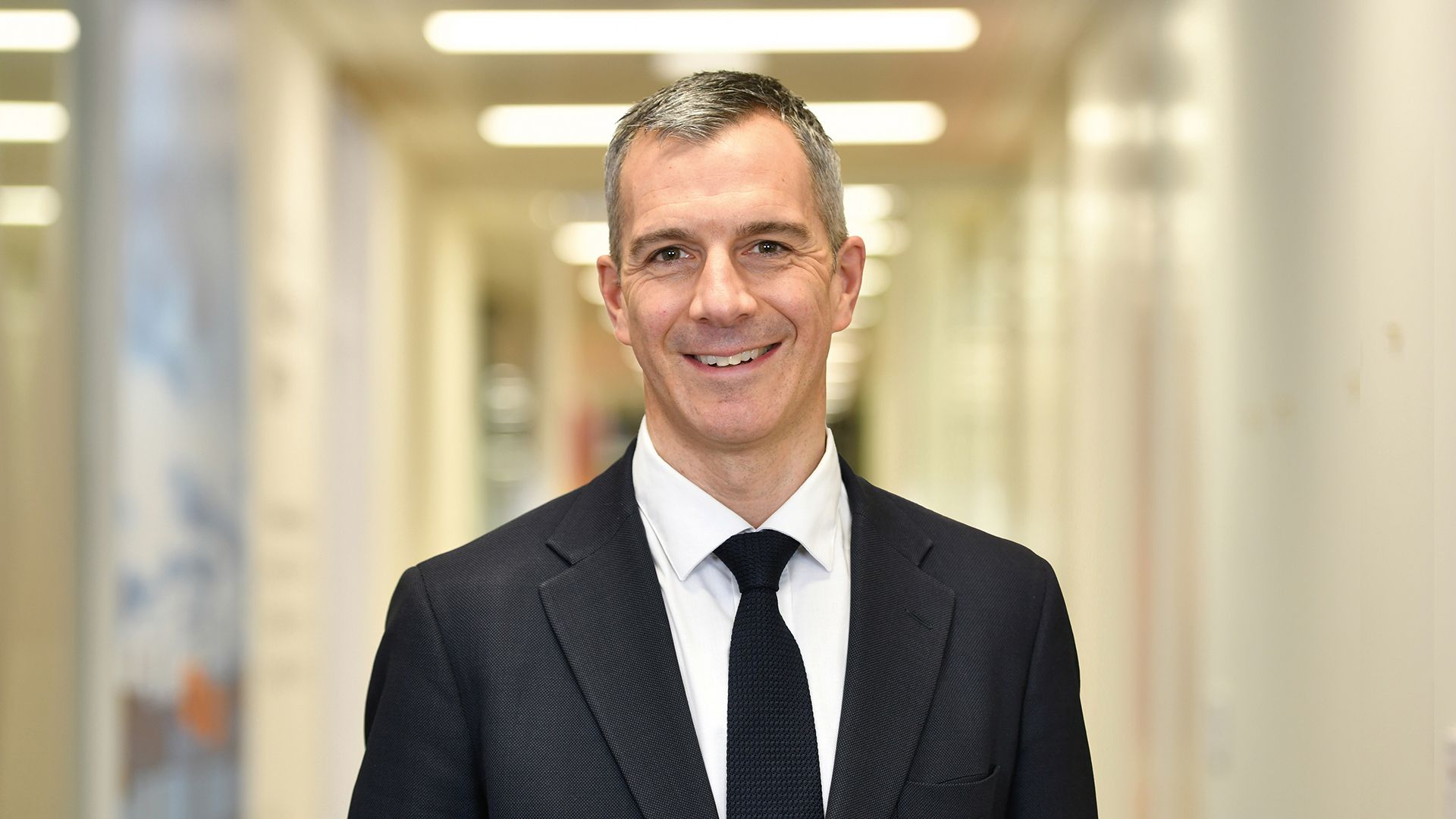
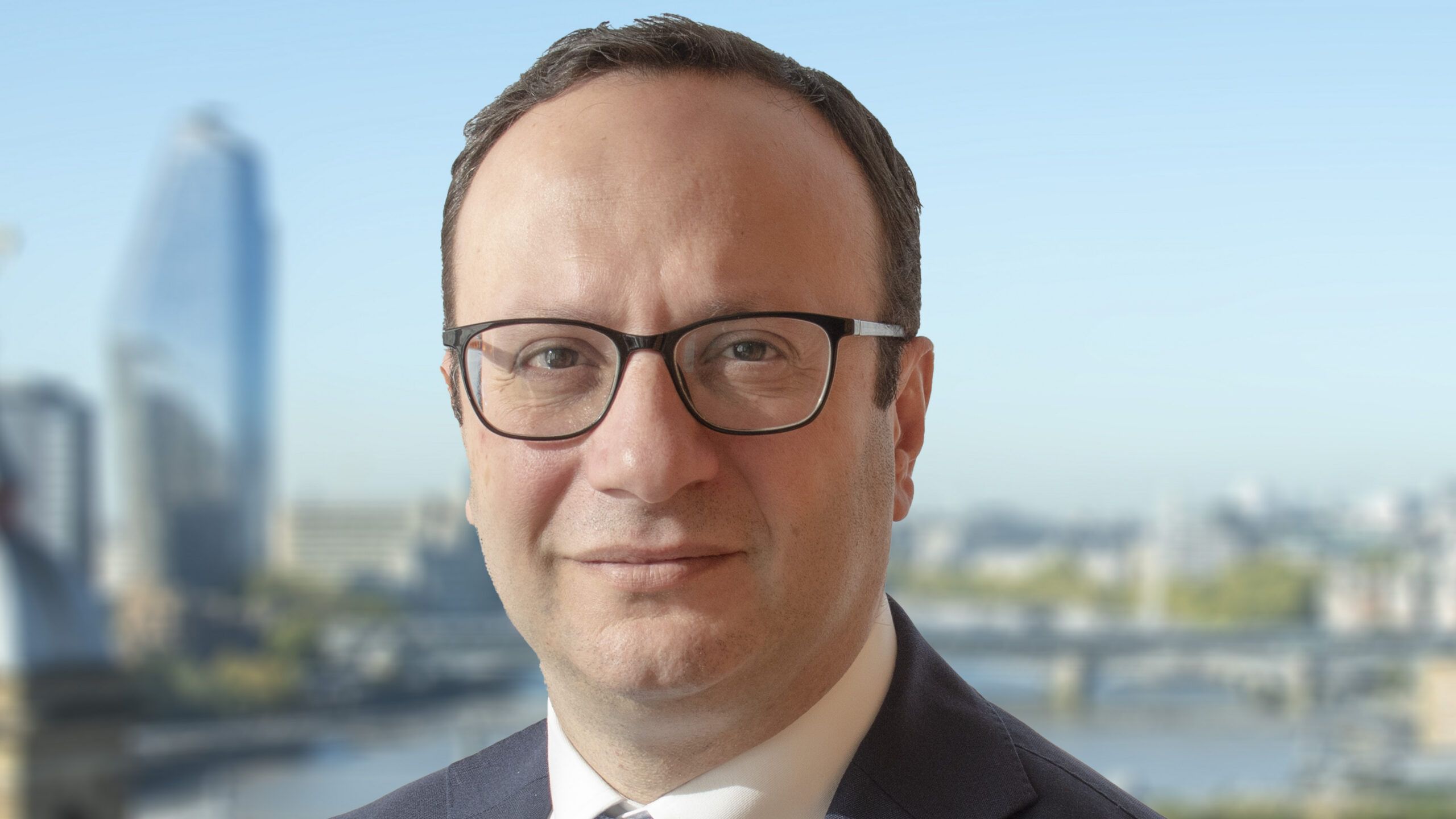
However, Jupiter Asset Management chief executive Matthew Beesley (main picture) strongly rejects the idea of a squeezed middle and argues that his firm, which has roughly 600 staff and manages $100bn in assets, is “perfectly sized”.
“Our size is our superpower,” he told FSA in an interview. “Scale is all about: do you have sufficient revenues relative to your costs to generate sufficient profitability to be appropriately profitably to reinvest in your business and retain your talented employees.”
“We get the benefit of having enough scale to be able to invest in tools, technology and infrastructure to allow us to be successful, but also to be small enough to be nimble and agile, and responsive to underlying client needs.”
As an example, he said Jupiter recently received a request from a large sovereign wealth fund which wanted a strategy, but with a custom benchmark, different reporting and a bespoke vehicle structure.
“They saw the investment capabilities that we had, and wanted it tailored a particular way to suit their particular need that we didn’t do at the time,” he said. “There were two conversations that needed to happen before we agreed to do that because there are such short lines of communication in the business.”
Earlier in his career, Beesley was an equity portfolio manager at JP Morgan Asset Management, head of global equities at Janus Henderson and more recently chief investment officer at Artemis and Jupiter before assuming the role of CEO.
Beesley argued that the firm’s size allows it to be quick to make changes to its structure and processes to suit client requests.
“You can’t do that if you are one of the other larger asset management firms,” he said. “Layers of what others might deem to be complexity or challenge we were very readily able to address.”
“I’m not saying others can’t do it, but there’s a certain size that allows you to do those things a little bit quicker. That is a competitive advantage.”
However, being too small can be a disadvantage, especially for large ticket sizes. But Beesley believes Jupiter is also large enough “to give clients comfort that we are going to be around for many years to come”.
As more end-investors, both retail and institutions, look to use passive products as part of their broader asset allocation strategy, Jupiter is betting clients still want high-conviction active management.
After a long bull market in equities, passive funds seem like a cheaper alternative to capture beta. But with traditional correlations breaking down and returns diverging across different asset classes, Beesley believes the advantage is swinging back to active managers.
“I think we’re in an environment where active investment will continue to add a tremendous amount of value to clients,” he said. “We have an ambition to ensure everything we do is active, but more than that, everything we do is truly differentiated as well.”
In Asia, demand for active equity products seems to be alive and well, according to Jupiter’s regional head Madeline Han, who told FSA that the quality of conversations the firm is having with investors in the region has increased significantly over the past twelve months.
Jupiter is in talks with several consumer banks to make its Asian Income strategy a focus product in 2027 and it has plans to showcase its European Select strategy to more investors in the region as they seek diversifying strategies, she said.
This is all part of an organic growth strategy, Beesley explained. “We can run about four times the amount of money that we currently have using all of our existing teams’ strategies,” he said.
“I believe that done carefully and thoughtfully, M&A [mergers & acquisitions] can add value, but the great thing about where we find ourselves at Jupiter is we have no need to do M&A because we have such a great breadth of strong performing investor capability, all with lots of capacity.”
In contrast to some publicly listed asset managers which are under pressure from capital markets to both grow and cut costs in a fiercely competitive industry, Beesley said being publicly listed is helpful in reassuring its clients of the firm’s stability.
“We’ve got a really strong balance sheet: about three and a half times the capital requirement that we need to hold from a regulatory perspective, so being public allows people to see how resilient a business we have built.”
“I’d argue that we’re able to be more agile. Look at where we are in the technology utilization wave, we’re progressive versus many of our peers.”
Beesley said that Jupiter is now in its third iteration of using artificial intelligence tools: “We were using Copilot three years ago, used that, spat it out. ChatGPT was in vast use across the business, and we’ve started to spit that out a bit now. We’re very much a Claude-based firm at the moment,” he said.
“We are able to be agile and responsive to use things available to us without the process or technology infrastructure stack constraints that might exist if you’re one of those other larger organisations.”
But even though being public brings transparency that can reassure some clients, Beesley lamented that public markets don’t seem to fully appreciate the economics of the asset management business.
“I would argue that asset management firms are sometimes underpriced in terms of the terminal value,” he said. “My observation is that investors don’t always price asset management firms correctly.”
“I think people fail to understand and therefore miss how profitable asset management businesses can be and how much cash flow they can generate.”
“If you are very cash generative, you have the ability to return lots of capital or to reinvest it, both those two things are quite accretive to shareholders.”
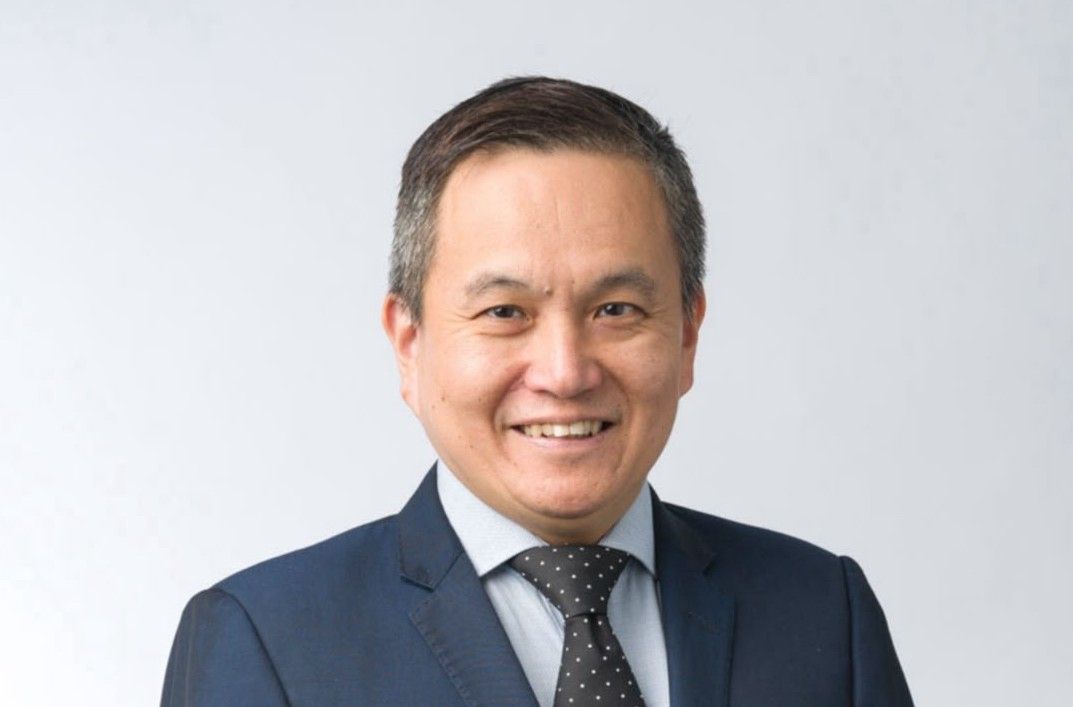
Tan was previously Asia-Pacific CEO of Trafigura and founding partner of Apollo Global Management’s Asia-Pacific business.

A wide-net approach to the asset class misses out on its benefits, he argues.

The fund is a Hong Kong dollar money market fund accessible through traditional and digital channels.