Bank of Singapore names two new relationship managers in Dubai
The new relationship managers in Dubai are Yasser Soliman and Amit Bhasin.


The new relationship managers in Dubai are Yasser Soliman and Amit Bhasin.
The new relationship managers in Dubai are Yasser Soliman and Amit Bhasin.

Global insurers plan to up their allocations to private markets, according to a BlackRock survey.
Global insurers plan to up their allocations to private markets, according to a BlackRock survey.
Global insurers plan to up their allocations to private markets, according to a BlackRock survey.

The $158m acquisition is the firm’s first investment in Australia’s build-to-rent sector.
Sponsored by Loomis Sayles & Natixis
The Growth Equity Strategies Team at Loomis Sayles, an affiliate of Natixis Investment Managers, demonstrates that patience, discipline and conviction result in consistent, peer-leading risk-adjusted compounding over cycles.
Global insurers plan to up their allocations to private markets, according to a BlackRock survey.
The $158m acquisition is the firm’s first investment in Australia’s build-to-rent sector.
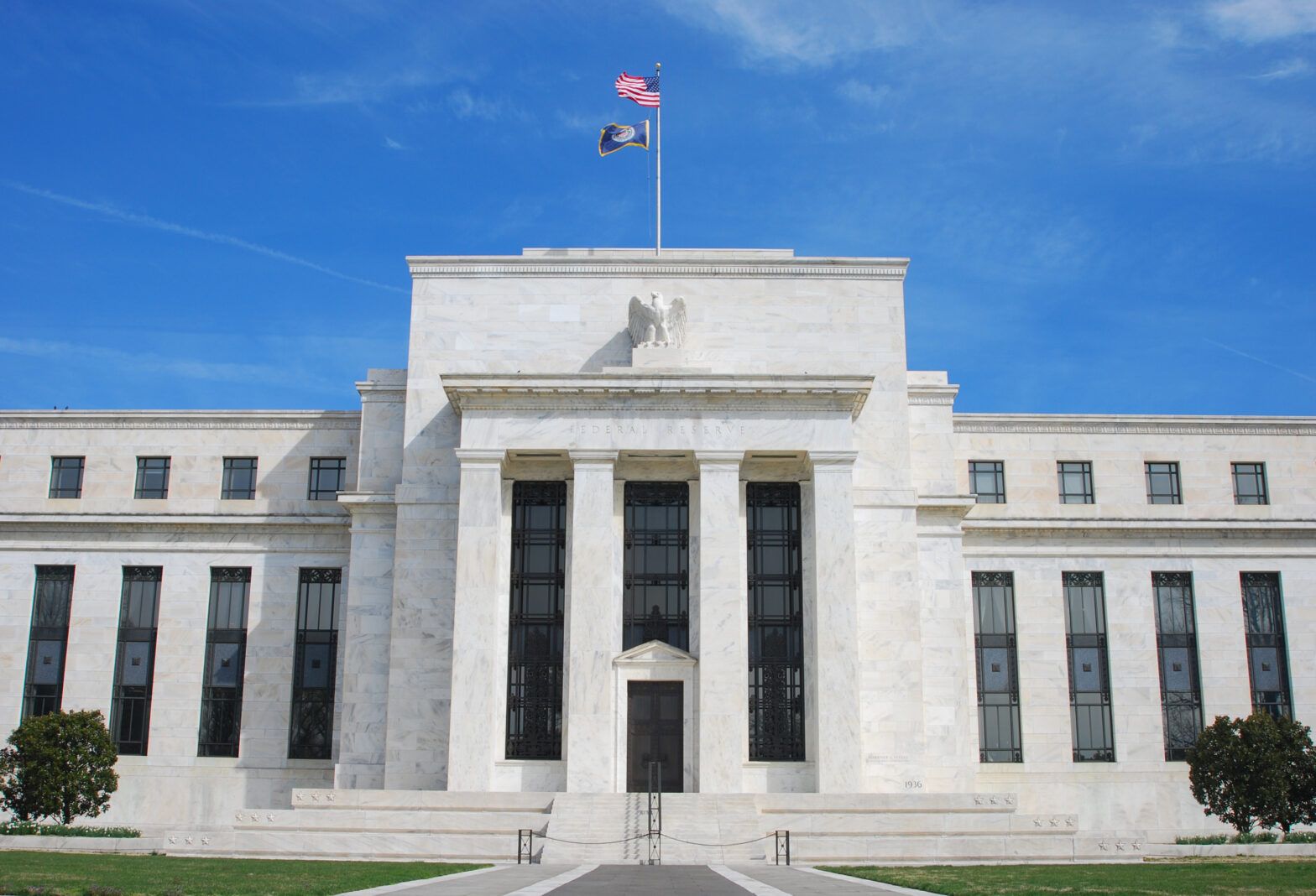
AllianzGI, Allspring and BlackRock predict a delay in rate hikes at the next Fed meeting, but not an end to monetary tightening.
AllianzGI, Allspring and BlackRock predict a delay in rate hikes at the next Fed meeting, but not an end to monetary tightening.
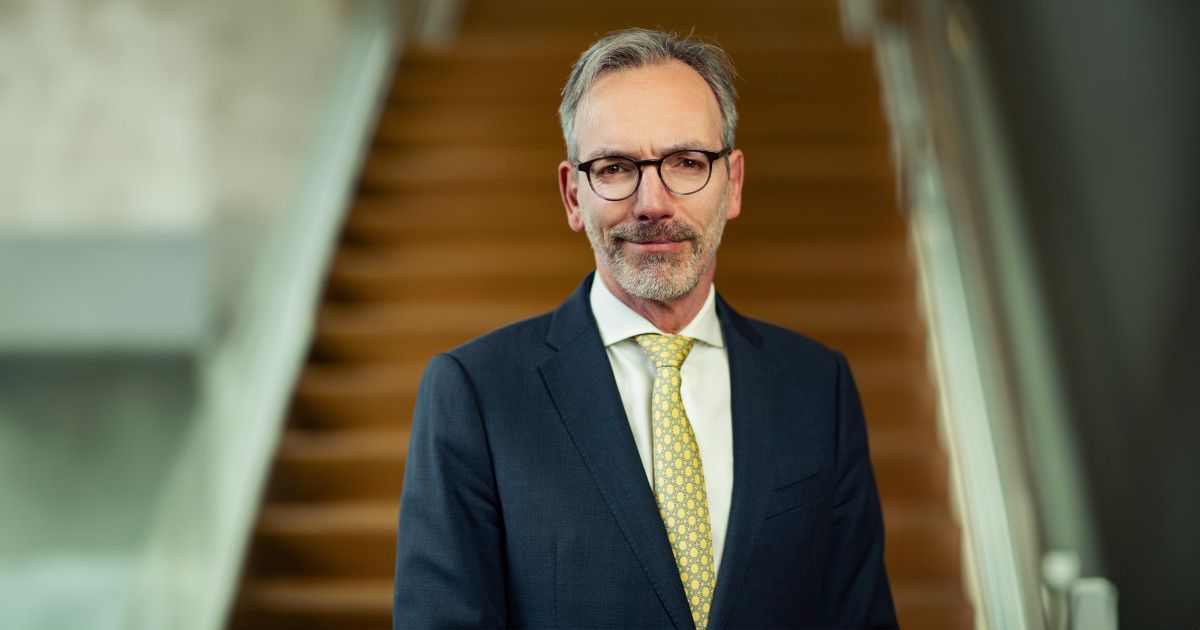
Robeco’s value manager Wim-Hein Pals took profits in tech when the market “was going ballistic”.

Hong Kong and Singapore investors are more comfortable with their choices and are guided by professional advisers.
Hong Kong and Singapore investors are more comfortable with their choices and are guided by professional advisers.
This week, FSA compares the Invesco US Value Equity Fund and the Harris Oakmark U.S. Value Equity Fund.
Robeco’s value manager Wim-Hein Pals took profits in tech when the market “was going ballistic”.
Robeco’s value manager Wim-Hein Pals took profits in tech when the market “was going ballistic”.
Hong Kong and Singapore investors are more comfortable with their choices and are guided by professional advisers.
Institutional participation is growing, ranging from corporate treasuries and private banks to sovereign wealth funds and advisers.
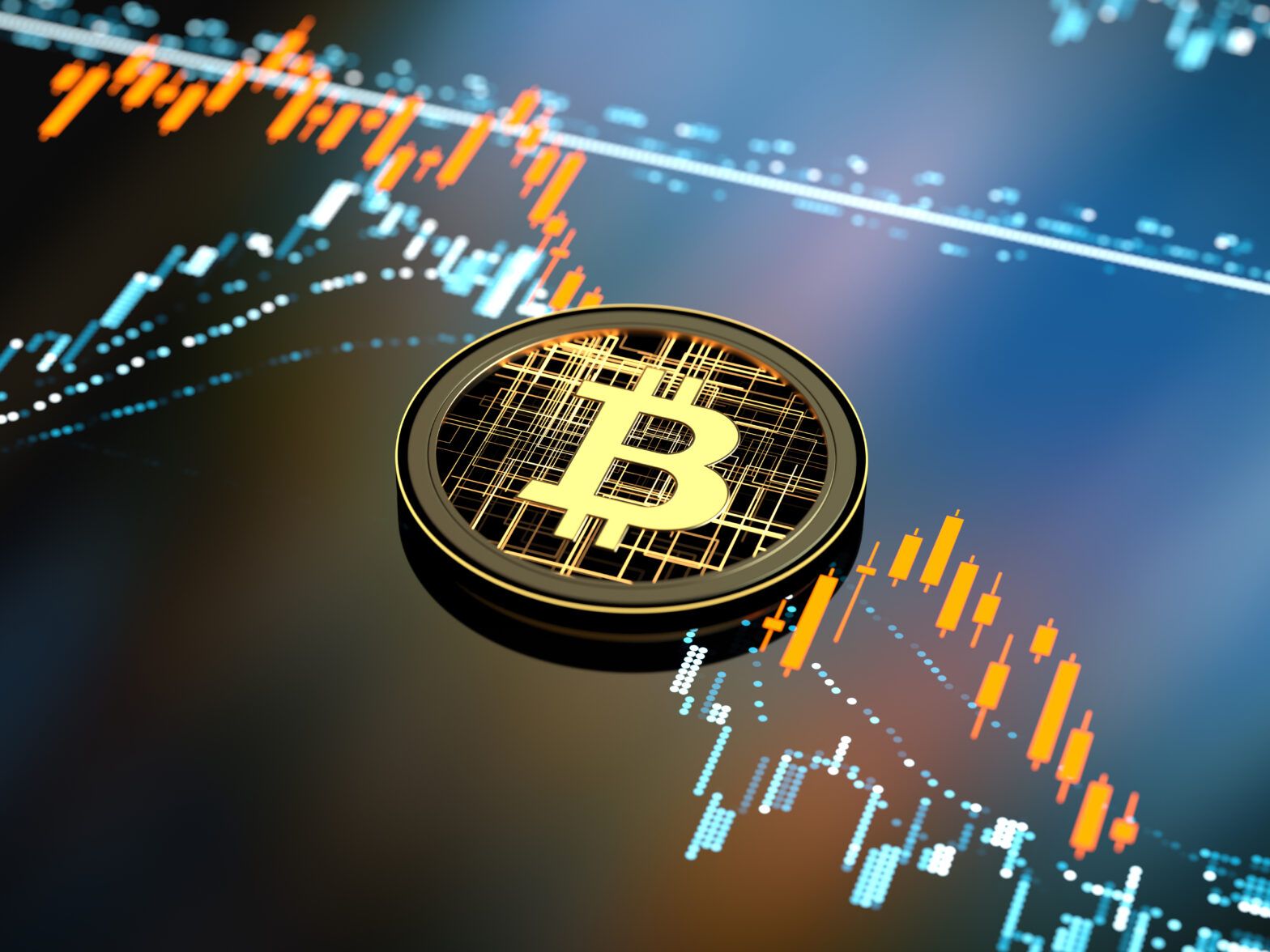

Digital assets reached an inflection point in 2025, according to Fidelity International. Institutional participation accelerated, driven by clearer regulatory frameworks, improved access channels, and a growing recognition of Bitcoin’s distinctive role in diversified portfolios.
However, volatility remains a feature of the asset class, though each wave of participation and infrastructure growth continues to temper Bitcoin’s sharpest swings.
Giselle Lai, associate director, digital assets, Fidelity International said: “While there has been volatility, behind those big numbers, the move on Bitcoin itself was both less damaging and relatively modest in a historical context. The market is deeper than it was.”
“Institutional participation is growing, ranging from corporate treasuries and private banks to sovereign wealth funds and advisers. The market’s capitalisation now exceeds $1.5trn, with spot Bitcoin ETFs emerging as a key access point.”
After a strong rally in early 2025, Bitcoin fell more than 30% in the aftermath of a tariff policy-driven sell-off in October that triggered a wave of liquidation of leveraged positions. Well over a trillion dollars has been wiped off crypto market valuations in the weeks since, grabbing the headlines.
Yet, “the relevance of Bitcoin’s core characteristics – its scarcity, neutrality, and independence from sovereign control – has also grown. In a world marked by geopolitical tension and currency debasement fears, Bitcoin’s non-sovereign, fixed-supply structure offers an alternative store of value,” said Lai.
“With no earnings or cash flows, price dynamics mirror global liquidity and sentiment, making it both a reflection of macro trends and, for some, a hedge against political instability.”
The next phase of Bitcoin’s evolution will focus on greater utility, moving beyond passive holding and speculation to roles in collateralisation, lending, and derivatives, according to Lai.
A recent Fidelity International Asia Pacific Investor Study showed that in the region, 23% of retail investors already hold digital assets and more than half plan to increase allocations within a year. In Europe, 25% of retail investors hold digital assets and 22% plan to add exposure.
Lai said: “Since US approval in early 2024, crypto spot ETF-held assets have grown to more than $170bn. Most of that has been in Bitcoin, but as understanding of digital assets deepens and the ecosystem diversifies, investors are looking further afield. Ethereum and Solana, for example, power decentralised applications and smart contracts, addressing different use cases within the broader blockchain landscape.
“The next round of innovation should come in crypto-staked ETFs, which combine yield generation with accessibility. These products offer exposure to “staking rewards”, which give returns to investors in exchange for locking up their tokens to participate in the network’s consensus mechanism.”
Meanwhile, tokenised funds offer a range of investor types the opportunity to hold digital representations of traditional investment funds on a blockchain, and Fidelity believes this will be the next stage of the digital asset revolution.
AllianzGI, Allspring and BlackRock predict a delay in rate hikes at the next Fed meeting, but not an end to monetary tightening.
Robeco’s value manager Wim-Hein Pals took profits in tech when the market “was going ballistic”.
Hong Kong and Singapore investors are more comfortable with their choices and are guided by professional advisers.