A core component of Metrobank Trust’s approach is global diversification, Christina Gabaldon Ma, head of investment of the investment management division, tells FSA.
A core component of Metrobank Trust’s approach is global diversification, Christina Gabaldon Ma, head of investment of the investment management division, tells FSA.
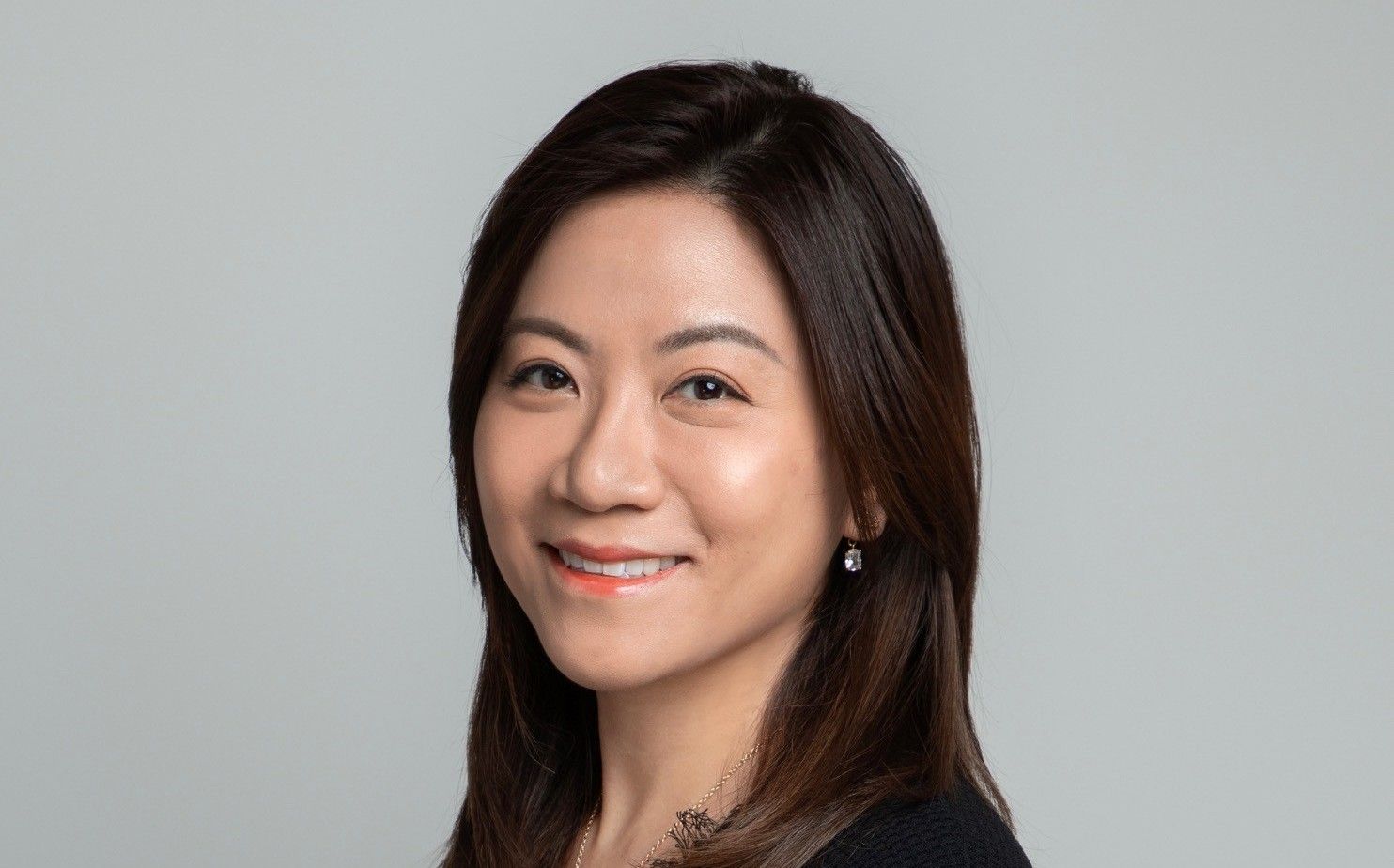
Investors seek exposure to long-term structural themes that are less dependent on short-term economic cycles, says Cora Chiu, managing director, head of investment management North Asia, Deutsche Bank – Private Bank.
Investors seek exposure to long-term structural themes that are less dependent on short-term economic cycles, says Cora Chiu, managing director, head of investment management North Asia, Deutsche Bank – Private Bank.
The Growth Equity Strategies Team at Loomis Sayles, an affiliate of Natixis Investment Managers, demonstrates that patience, discipline and conviction result in consistent, peer-leading risk-adjusted compounding over cycles.
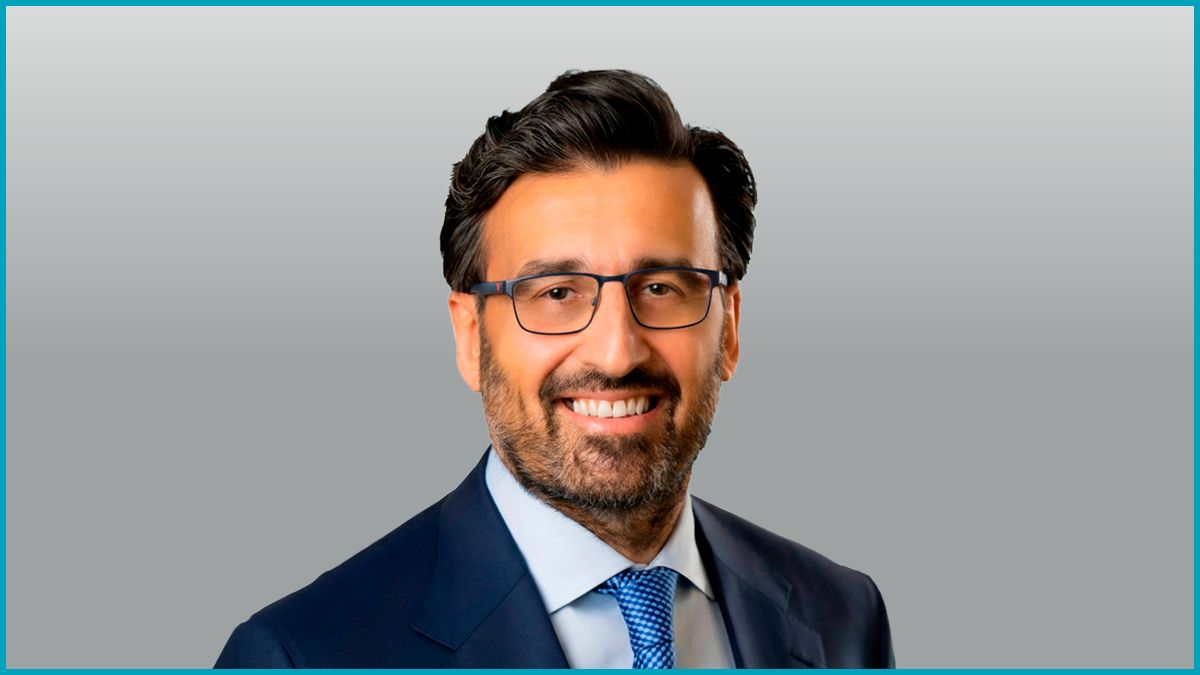
Stickier inflation and changing asset correlations mean income investors need to diversify their sources of yield without sacrificing exposure to long-term growth, say Karen Watkin and Fahd Malik.
A core component of Metrobank Trust’s approach is global diversification, Christina Gabaldon Ma, head of investment of the investment management division, tells FSA.
A core component of Metrobank Trust’s approach is global diversification, Christina Gabaldon Ma, head of investment of the investment management division, tells FSA.
Stickier inflation and changing asset correlations mean income investors need to diversify their sources of yield without sacrificing exposure to long-term growth, say Karen Watkin and Fahd Malik.
AB: Stock/bond mix may not be enough for income investors
Stickier inflation and changing asset correlations mean income investors need to diversify their sources of yield without sacrificing exposure to long-term growth, say Karen Watkin and Fahd Malik.
Income investors need to broaden their opportunity set beyond traditional combinations of dividend-paying equities and bonds as inflation, geopolitical uncertainty and technological change reshape markets.
Deglobalisation and trade tensions are contributing to inflation and instability, while geopolitical risks and high fiscal deficits are making economies more fragile. At the same time, AI-driven growth has fuelled a powerful but increasingly concentrated equity rally.
Against this backdrop, a global multi-asset approach can help investors balance income, growth and diversification, according to AllianceBernstein’s Karen Watkin, portfolio manager, multi-asset solutions, and Fahd Malik, co-head of multi-sector fixed income and portfolio manager, multi-asset.
Crucially, this should not mean simply targeting investments offering the highest headline yields.
“By doing so, you’re leaning into assets with lower quality, you’re buying assets that are illiquid, and you’re buying assets that may have really large drawdowns,” Malik explained.
Karen Watkin, AllianceBernstein
Don’t simply chase yield
The same principle applies to equities. High-dividend stocks suffered larger drawdowns during the Covid-related market crash in 2020 than a more balanced portfolio, according to Watkin.
Instead, dividend strategies should focus on profitability and the sustainability of distributions. “A moderate yield from a strong company or borrower may be better than a very high yield from a shaky one,” she added.
This is particularly relevant as income investors attempt to maintain exposure to long-term growth.
Today’s high-dividend universe is underweight technology and communications, said Watkin, potentially leaving investors with less exposure to the US market and AI-related growth.
Quality equities with stable earnings and high profitability can provide another tool, she added, while lower-beta sectors such as utilities and consumer staples may offer defensive characteristics.
Diversifying the defensive toolkit
Bonds also remain an important component of portfolios, despite recent periods when US Treasuries and equities have moved together.
According to Malik, Treasuries can still provide defensive qualities in a risk-off environment, while current coupons above cash rates offer additional income through roll and carry.
However, stickier inflation means investors may need additional defensive tools beyond bonds to diversify portfolios effectively. “The typical multi-asset income approach of combining stocks and bonds may not work as well going forward,” he said.
Investors should consider a wider range of income-producing assets, he added, including high yield and investment grade corporate bonds, emerging-market corporate debt, real estate investment trusts and convertible bonds.
Options can provide another source of income when implemented in a risk-controlled way, Malik said.
Keeping portfolios flexible
Greater diversification also gives managers more flexibility to respond as market conditions change.
Tactical asset allocation strategies may help investors adjust exposures efficiently as portfolio volatility and relationships between equities, rates and other assets change.
Watkin identified four pillars for multi-asset income investors: seek efficient income; diversify their defensive tools; keep the growth engine running; and expand their sources of yield.
For Malik, the advantage of expanding the investable universe is the ability to source income from different assets as opportunities change. “We like to think of it as a compass investors can use to navigate deglobalisation, inflation and technological change,” he said.
Ultimately, a broader approach could allow income investors to avoid choosing between yield, resilience and growth.
“A thoughtfully constructed multi-asset portfolio has the potential to unlock a steady stream of income in an unsteady world,” added Malik.
Investors seek exposure to long-term structural themes that are less dependent on short-term economic cycles, says Cora Chiu, managing director, head of investment management North Asia, Deutsche Bank – Private Bank.