JPMAM: ‘mildly pro-risk’ on equities
JP Morgan Asset Management’s Sylvia Sheng is overweight equities for the next 12 to 18 months.

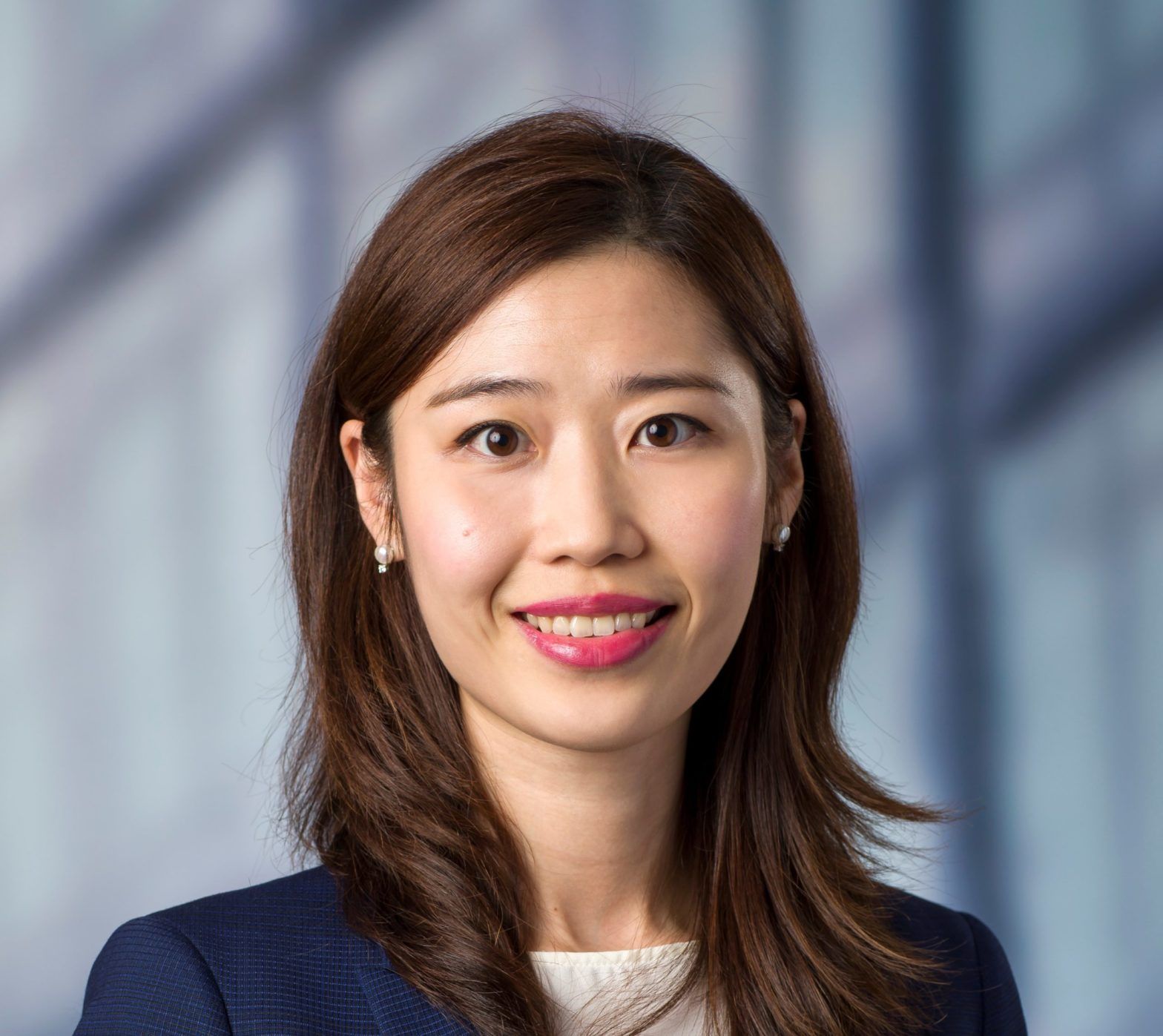
JP Morgan Asset Management’s Sylvia Sheng is overweight equities for the next 12 to 18 months.
JP Morgan Asset Management’s Sylvia Sheng is overweight equities for the next 12 to 18 months.

Bank of East Asia wealth management and high-net-worth clients will get access to some Partners Group private market investments.
Bank of East Asia wealth management and high-net-worth clients will get access to some Partners Group private market investments.

The deal focuses on partnership to drive the next phase of long-term growth.
Sponsored by Loomis Sayles & Natixis
The Growth Equity Strategies Team at Loomis Sayles, an affiliate of Natixis Investment Managers, demonstrates that patience, discipline and conviction result in consistent, peer-leading risk-adjusted compounding over cycles.
JP Morgan Asset Management’s Sylvia Sheng is overweight equities for the next 12 to 18 months.

The asset manager is expanding its systematic core equity suite.

But in Asia Pacific, wealth transfer is seen as a family milestone compared with Europe and North America, according to a UBS GWM report.
But in Asia Pacific, wealth transfer is seen as a family milestone compared with Europe and North America, according to a UBS GWM report.
JP Morgan Asset Management’s Sylvia Sheng is overweight equities for the next 12 to 18 months.
But in Asia Pacific, wealth transfer is seen as a family milestone compared with Europe and North America, according to a UBS GWM report.
But in Asia Pacific, wealth transfer is seen as a family milestone compared with Europe and North America, according to a UBS GWM report.
Bank of East Asia wealth management and high-net-worth clients will get access to some Partners Group private market investments.
Energy transition, nature-related issues and artificial intelligence (AI) are prominent investment themes, according to the Capital Group study.


ESG adoption remains “robust” in Apac, Europe, the Middle East and Africa (EMEA), although global (including US) adoption has “edged lower” from the record-high level in 2023 and 2024, according to the Capital Group ESG Global Study 2025.
Global ESG adoption stands at 87%, down slightly from all-time high of 90% in 2023 and 2024. 97% of existing Apac investors in strategies with an ESG or sustainable investment criteria plan to maintain or raise allocations in the next 12 months.
“This year’s ESG Global Study highlights the enduring role of ESG in the investment process as investors continue to evolve their approach. The consideration of ESG issues in fixed income and private markets are also gaining traction,” said Jessica Ground, global head of ESG, Capital Group.
Geopolitical risk (81%), the global economic growth outlook (67%) and regulatory or policy changes (62%) are seen as the top three headwinds to allocating to ESG or sustainable strategies in the next 12 to 24 months.
Investors are also “refining their approach” approach to asset classes and strategies. Almost half (48%) of respondents globally now apply ESG approaches in private markets – the highest level since the ESG Global Study began in 2021.
Diversification (67%), efficient access to multiple ESG themes (48%) and adaptability to changing market conditions (44%) are cited as the main benefits of multi-thematic strategies over single-thematic ones.
Top, durable investment themes include energy transition, water and health.Six in 10 investors have a strong conviction in investment opportunities tied to energy transition, followed by clean water (52%) and health (51%).
Finally, AI’s environmental impact is shifting into sharper focus. Globally, 73% of investors identify AI’s energy consumption and greenhouse gas emissions as top ESG risks for the next two to three years – up sharply from 54% last year.
Water consumption is also in the spotlight, with 43% of respondents flagging it as a material AI-related ESG risk – more than double the percentage in 2024 (18%), while 58% of respondents see AI’s energy-intensive nature as a significant challenge to energy transition, yet 56% believe AI could fuel innovation to accelerate energy transition.
But in Asia Pacific, wealth transfer is seen as a family milestone compared with Europe and North America, according to a UBS GWM report.
JP Morgan Asset Management’s Sylvia Sheng is overweight equities for the next 12 to 18 months.