Franklin Templeton sees $18bn of inflows as assets hit record high
Franklin Templeton’s asset under management hit an all all-time high of $1.8trn on the back of strong equity markets and inflows into alternatives and ETFs.

Franklin Templeton’s asset under management hit an all all-time high of $1.8trn on the back of strong equity markets and inflows into alternatives and ETFs.
Franklin Templeton’s asset under management hit an all all-time high of $1.8trn on the back of strong equity markets and inflows into alternatives and ETFs.

Here is a digest of significant wealth and asset management appointments, promotions and departures during the previous month.
Franklin Templeton’s asset under management hit an all all-time high of $1.8trn on the back of strong equity markets and inflows into alternatives and ETFs.
Franklin Templeton’s asset under management hit an all all-time high of $1.8trn on the back of strong equity markets and inflows into alternatives and ETFs.
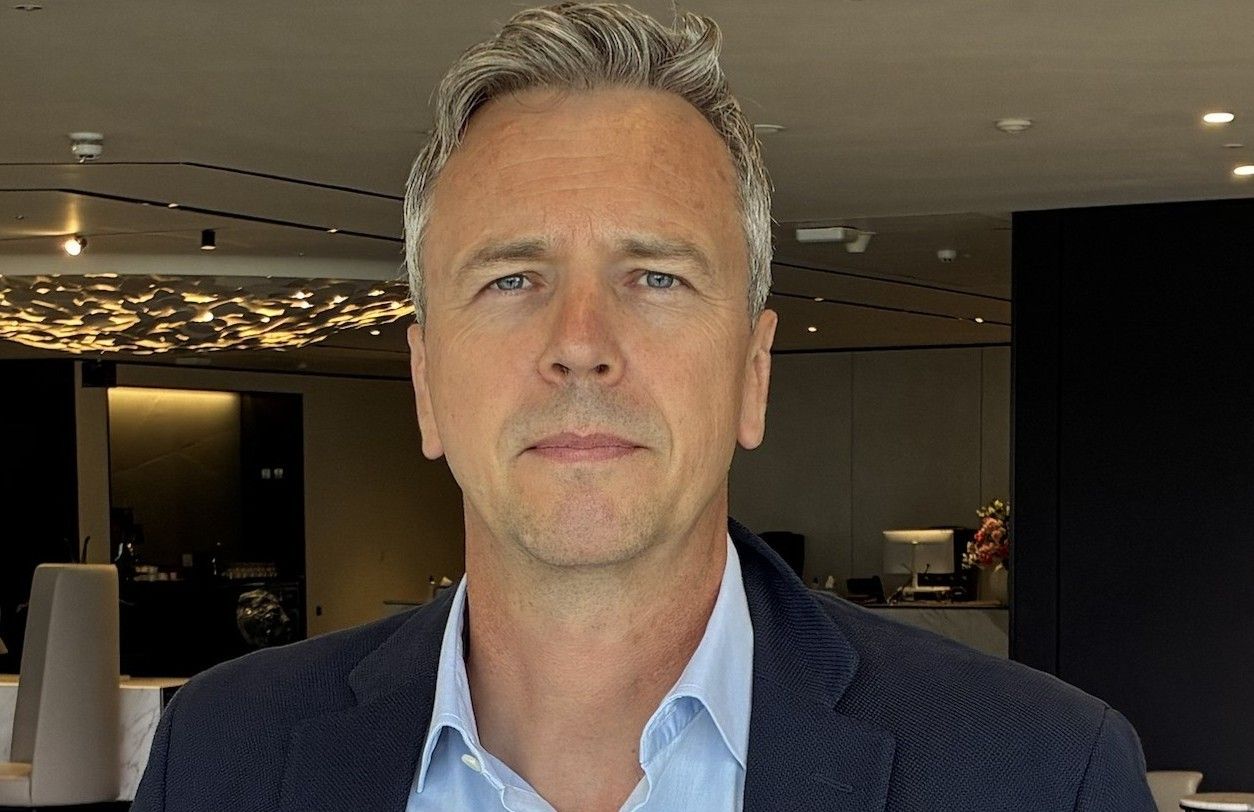
Bruen succeeds Martin Lennon, who is retiring.
Sponsored by Loomis Sayles & Natixis
The Growth Equity Strategies Team at Loomis Sayles, an affiliate of Natixis Investment Managers, demonstrates that patience, discipline and conviction result in consistent, peer-leading risk-adjusted compounding over cycles.
Franklin Templeton’s asset under management hit an all all-time high of $1.8trn on the back of strong equity markets and inflows into alternatives and ETFs.
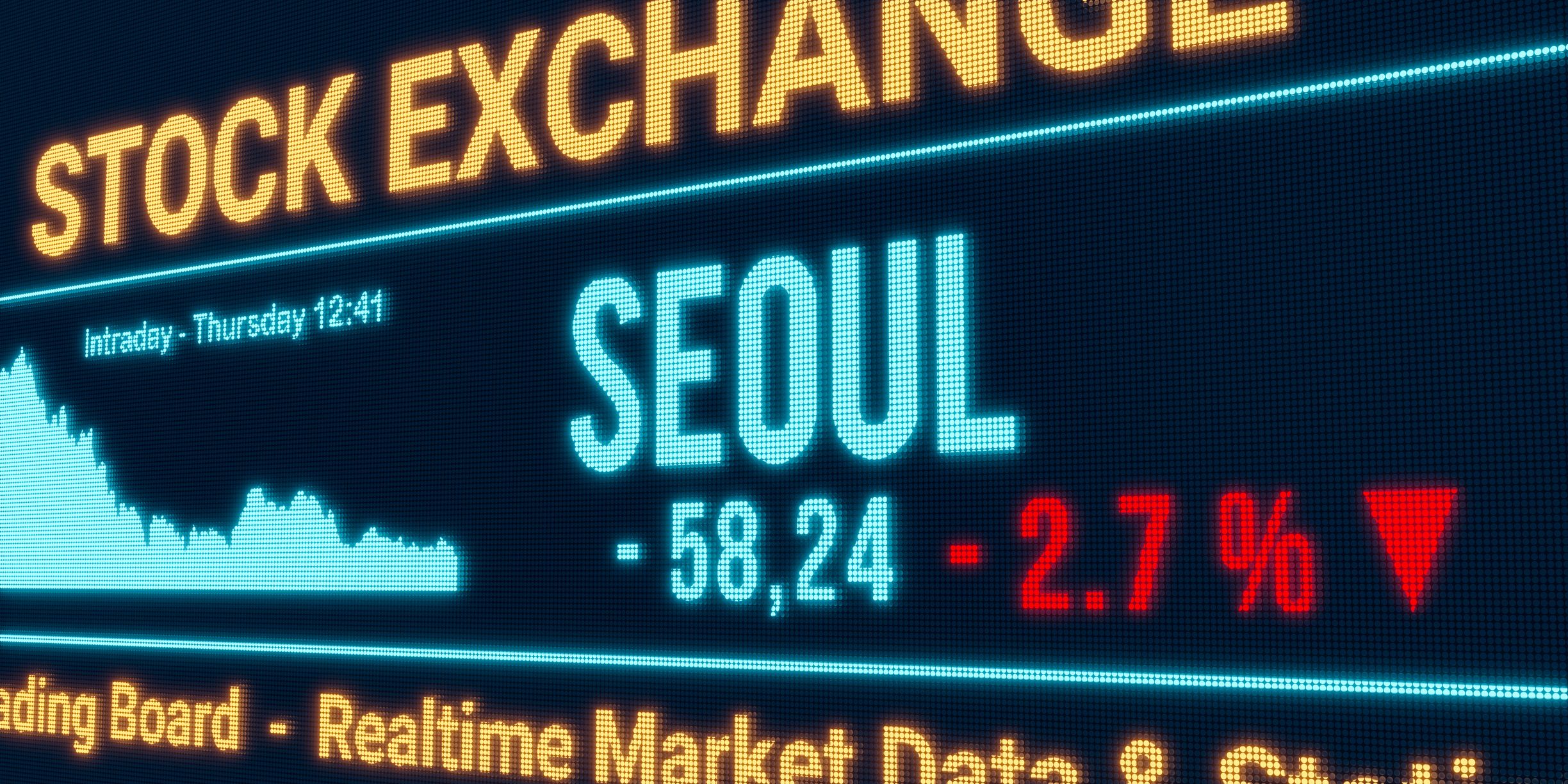
Asset managers argue fundamentals have not changed despite the violent sell-off in South Korean equities.
Asset managers argue fundamentals have not changed despite the violent sell-off in South Korean equities.
Asset managers argue fundamentals have not changed despite the violent sell-off in South Korean equities.

Julius Baer has hired Nira Tanoko, former Bank of Singapore market head, Indonesia, to join its leadership team.
Franklin Templeton’s asset under management hit an all all-time high of $1.8trn on the back of strong equity markets and inflows into alternatives and ETFs.
Franklin Templeton’s asset under management hit an all all-time high of $1.8trn on the back of strong equity markets and inflows into alternatives and ETFs.

Total assets still hit a record high.

The platform serves both directions of the India capital corridor.
The platform serves both directions of the India capital corridor.

Muriel Aboud Schirmann and Louis Shen take on senior roles in Singapore.
Apac financial institutions are still reliant of manual processes for compliance operations, a study finds.

Financial institutions across Asia Pacific (Apac) face growing pressure to modernise compliance operations, yet most teams remain heavily reliant on manual processes. According to new research published by Fenergo, in partnership with Risk.net, manual workflows continue to dominate despite growing interest in deploying artificial intelligence (AI) for compliance.
The report, AI and the next era of APAC compliance, which surveyed 110 risk, financial crime and compliance professionals at banks and asset managers in Singapore, Malaysia and Australia, between September and November 2025, highlights a widening gap between the scale of compliance workloads, institutional intent to adopt AI, and readiness to execute automation at scale.
Two-thirds of respondents (66%) report heavy manual workload, with more than half (54%) facing periodic know-your-client (KYC) review backlogs, while 45% cite high false-positive rates across KYC, screening and transaction-monitoring processes. These pressures persist despite 54% saying they are actively exploring AI use cases, while only one third (34%) have begun implementation, and 13% say they are not using AI at all.
Bryan Keasberry, Apac head of market development at Fenergo, a leader in AI-powered solutions for client lifecycle management, said the findings reflect the operational complexity facing compliance teams in the region.
“Compliance in Apac continues to feel unusually manual, largely due to the region’s linguistic and regulatory complexity,” he said. “Institutions are operating across fragmented regulatory regimes, diverse languages and complex data environments. That makes data consistency and quality difficult to achieve, and without those foundations, AI adoption inevitably slows.”
While interest in AI is rising, execution remains constrained by structural barriers. Operational efficiency emerged as the primary driver of AI investment, ranking ahead of cost reduction and task automation. At the same time, data quality was identified as the single biggest challenge to AI adoption, followed by integration with legacy systems and regulatory compliance concerns.
Despite the transformational advantages of agentic AI, the research also points to limited familiarity with advanced compliance technologies. Only 6% of respondents state they are “very familiar” with agentic AI in compliance, while 53% report being only “somewhat familiar” and 29% say it is “not familiar at all”.
This lack of familiarity is reflected in institutions’ automation preferences, with 66% saying they would only be comfortable with partial automation and 33% preferring significant automation. No respondents opted for full automation.
“The challenges faced by firms today reflect the realities of legacy operating models and the need to balance innovation with regulatory accountability,” Keasberry said. “For organisations at earlier stages of AI adoption, keeping human oversight in the loop remains essential. Regulators expect AI systems to be explainable and well governed,” he added.
Despite this caution, momentum is building. 44% of respondents state they are considering the use of agentic AI, primarily for transaction monitoring, fraud detection and sanctions screening. Institutions also expect investment in AI-enabled compliance tools to increase as regulatory scrutiny intensifies and manual workloads continue to grow.
“What this means for markets such as Singapore, Malaysia and Australia, is that compliance transformation cannot be rushed,” said Keasberry.
The next phase of compliance transformation in Apac will be shaped by steady progress in data quality, platform integration and trust in automation as institutions move toward scalable, regulator-ready deployment, concluded Keasberry.
Asset managers argue fundamentals have not changed despite the violent sell-off in South Korean equities.

The asset manager will buy Antares Fixed Income, Antares Equities, and Fairview Equity Partners.
Bruen succeeds Martin Lennon, who is retiring.