Five Asian cities among the priciest for the wealthy
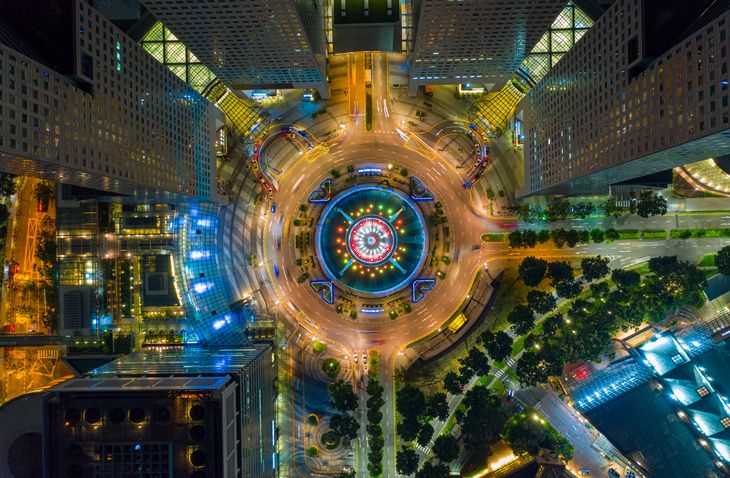
Singapore retains its position as the world’s most expensive city for the rich, according to the Julius Baer Global Wealth and Lifestyle Report 2026.

Singapore retains its position as the world’s most expensive city for the rich, according to the Julius Baer Global Wealth and Lifestyle Report 2026.
Singapore retains its position as the world’s most expensive city for the rich, according to the Julius Baer Global Wealth and Lifestyle Report 2026.
The MFS Meridian Funds – Euro Credit Short Term Bond fund is available to retail investors in Singapore.
The service aims to advance transparency in private markets with common performance measurement standards.
The service aims to advance transparency in private markets with common performance measurement standards.

The firm believes that continuation investments will grow more than threefold over the next decade.
Sponsored by Loomis Sayles & Natixis
The Growth Equity Strategies Team at Loomis Sayles, an affiliate of Natixis Investment Managers, demonstrates that patience, discipline and conviction result in consistent, peer-leading risk-adjusted compounding over cycles.
The MFS Meridian Funds – Euro Credit Short Term Bond fund is available to retail investors in Singapore.
The service aims to advance transparency in private markets with common performance measurement standards.
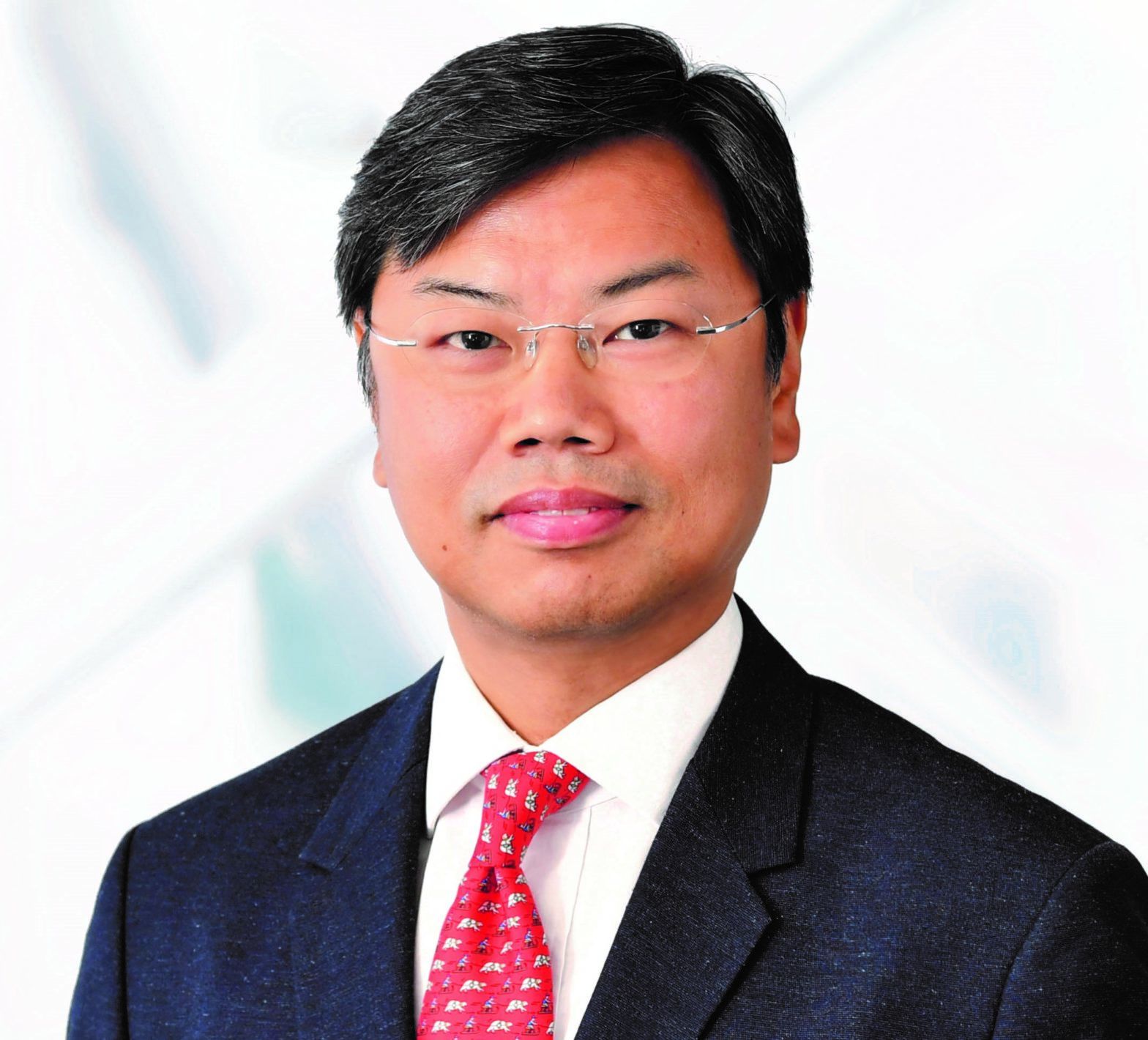
Hong Kong-listed tech stocks have a ‘free option’ amid low valuations, according to Patrick Ho, chief investment officer, North Asia at HSBC Private Bank and Premier Wealth.
Hong Kong-listed tech stocks have a ‘free option’ amid low valuations, according to Patrick Ho, chief investment officer, North Asia at HSBC Private Bank and Premier Wealth.
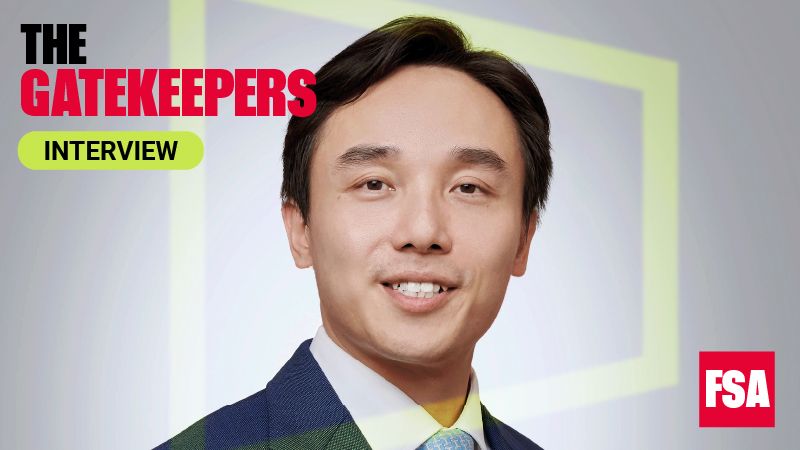
Lombard Odier’s “total wealth approach” also includes private market exposure, the firm’s head of discretionary portfolio management, Asia, Jack Siu, tells FSA.
This week, FSA compares two Japan equity funds: M&G Japan and Schroder ISF Japanese Opportunities.
This week, FSA compares two Japan equity funds: M&G Japan and Schroder ISF Japanese Opportunities.
This week, FSA compares two energy equity funds: BlackRock World Energy and Guinness Global Energy.
This week, FSA compares two Japan equity funds: M&G Japan and Schroder ISF Japanese Opportunities.
This week, FSA compares two Japan equity funds: M&G Japan and Schroder ISF Japanese Opportunities.
Hong Kong-listed tech stocks have a ‘free option’ amid low valuations, according to Patrick Ho, chief investment officer, North Asia at HSBC Private Bank and Premier Wealth.
Singapore retains its position as the world’s most expensive city for the rich, according to the Julius Baer Global Wealth and Lifestyle Report 2026.

This year’s Julius Baer Global Wealth and Lifestyle Report found that Asia Pacific (Apac) as a region maintained its position as a global hub for the affluent, reflected in the high cost of luxury goods and services. Notably, Singapore has retained its position as the world’s most expensive city for high-net-worth-individuals (HNWIs) for the fourth-year running.
Yee Kim Tan, Singapore branch manager, Julius Baer, said: “What we are seeing in Singapore today is a shift in how clients think about diversification. Increasingly, the question is not just which assets to hold, but where those assets should sit. In that context, Singapore continues to stand out as a natural choice.”
“It is valued for its stability, strong rule of law and the sense of security it offers when planning for the long term.”
Average price increases in Apac were 7.4% in US dollar terms, lower than the global average of 10.2%, suggesting that currency appreciation in other regions played a bigger role than local inflationary pressures within Apac.
Nevertheless, Singapore, Hong Kong, Shanghai, Sydney and Bangkok were among the 10 most expensive cities for HNWIs, the report found.
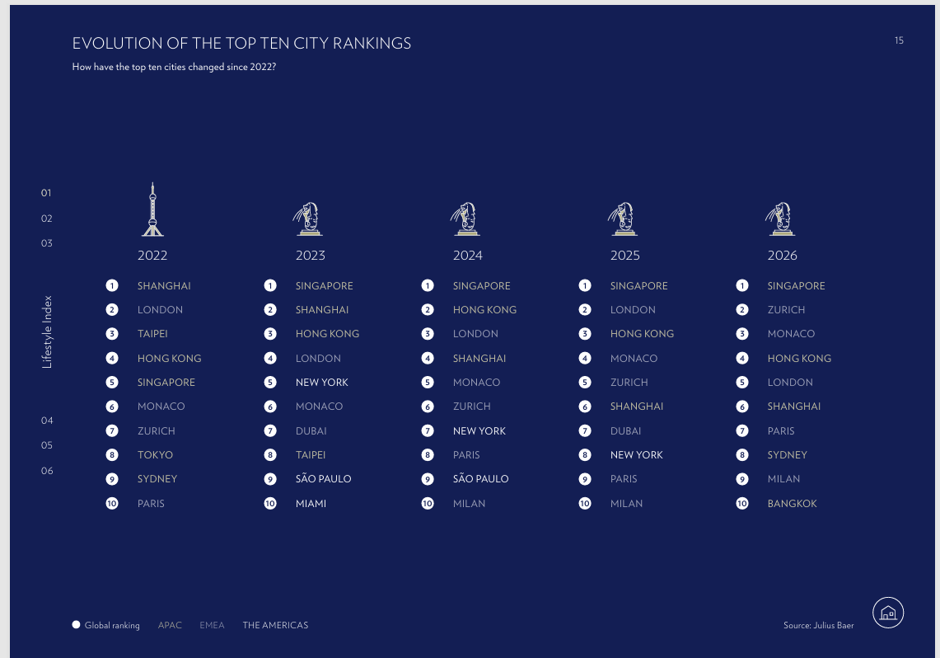
The survey covers a basket of 20 premium goods and services across 25 major global cities. Data was collected through late February/early March 2026 and does not reflect the impact of recent Middle East conflicts.
Meanwhile, Apac investors lead in “adaptive behaviour and willingness to increase risk levels, according to the report. For instance, more than 74% of Apac respondents increased diversification during the past 12 months.
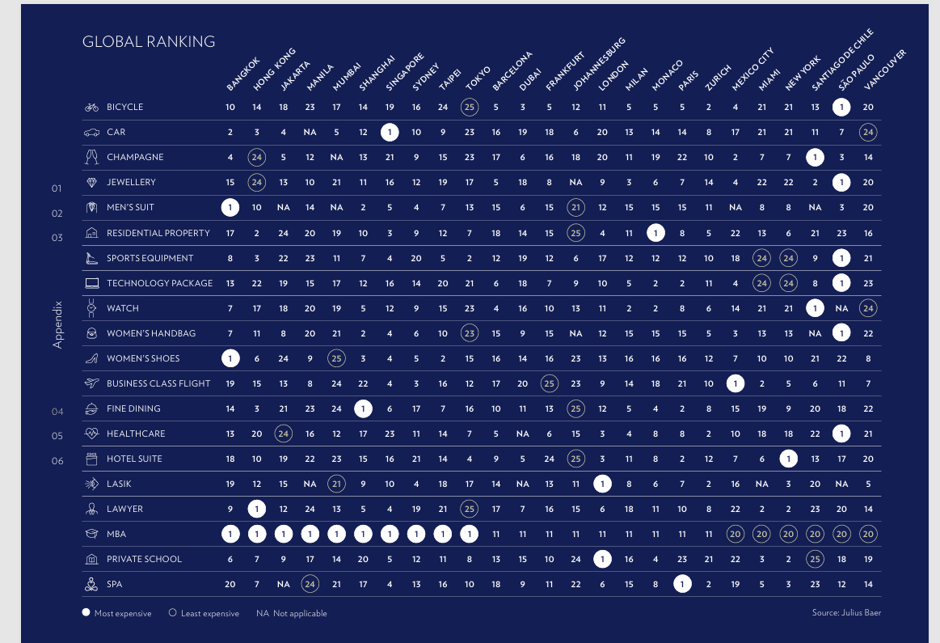
The report also found that “there is an emergence of a two-track economy in the region”.
Hi-tech artificial intelligence and semiconductor-driven growth, wealth flows and migration rejuvenated cities such Singapore, Hong Kong and Shanghai, whereas change has been more gradual in cities where traditional legacy industries, commodities and consumption are the mainstay
Jen-Ai Chua, research analyst, equities research Asia, Julius Baer, commented: “The presence of cities in both the top and bottom five of the Lifestyle Index reflects the emergence of a two-track economy in the region.”
“Hi-tech artificial intelligence and semiconductor-driven growth, wealth flows, and migration are rejuvenating cities like Singapore, Hong Kong, Shanghai, and Sydney, whereas change has been more gradual in cities where traditional legacy industries, commodities, and consumption are still the mainstay of economic activity”
Yet, Asia as a whole remains the fastest-growing region on Julius Baer’s economic projections, with GDP growth of 4.5% in 2026 that is well above the global average of 2.9%.
Singapore retains its position as the world’s most expensive city for the rich, according to the Julius Baer Global Wealth and Lifestyle Report 2026.
The MFS Meridian Funds – Euro Credit Short Term Bond fund is available to retail investors in Singapore.
This week, FSA compares two Japan equity funds: M&G Japan and Schroder ISF Japanese Opportunities.