JPMAM favours alternatives in 60/40 portfolios
JP Morgan Asset Management in its long-term projections says it expects alternatives to enhance returns in a balanced portfolio of stocks and bonds.

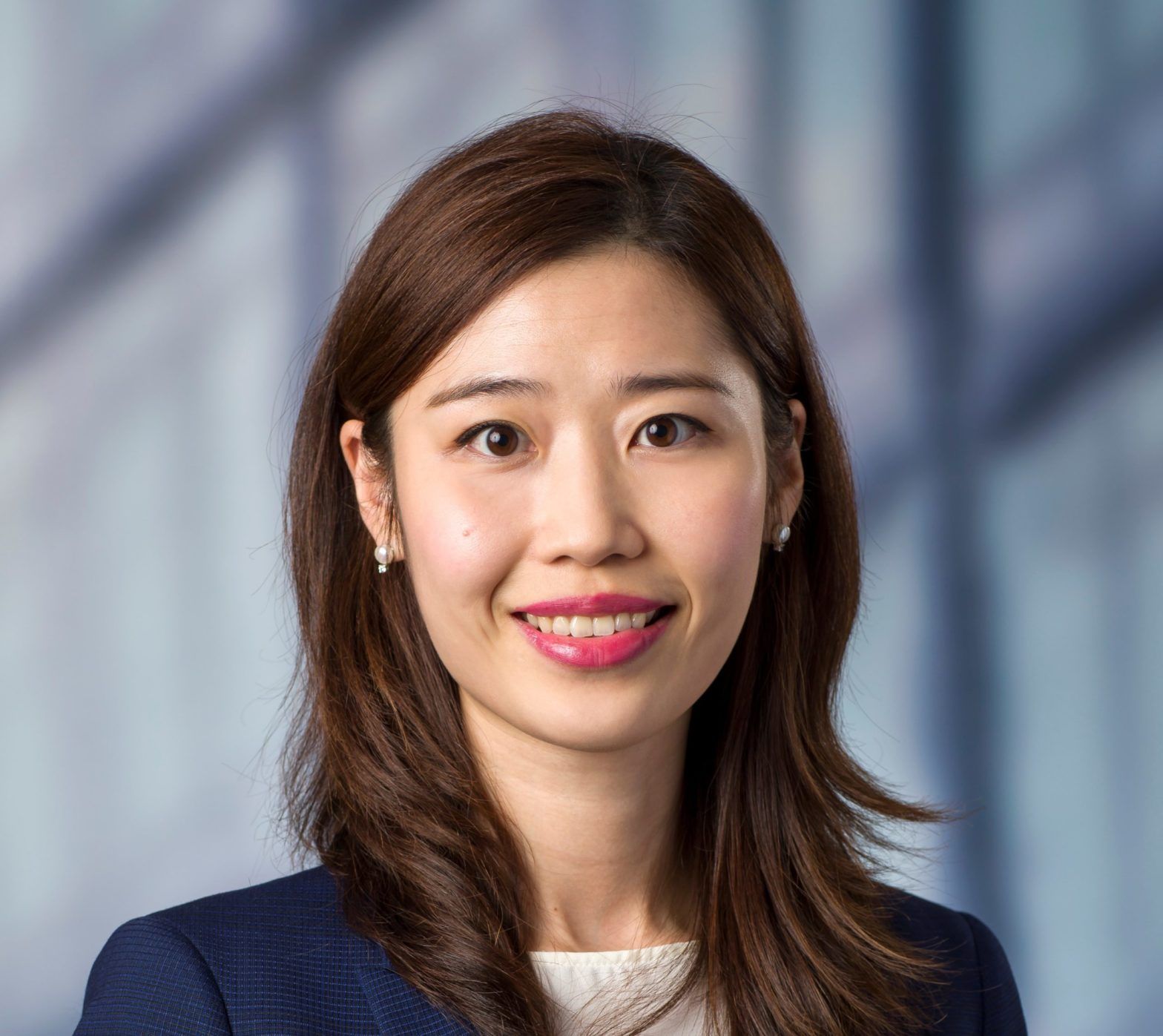
JP Morgan Asset Management in its long-term projections says it expects alternatives to enhance returns in a balanced portfolio of stocks and bonds.
JP Morgan Asset Management in its long-term projections says it expects alternatives to enhance returns in a balanced portfolio of stocks and bonds.

Diversification requires looking beyond asset class labels to understand underlying risks, according to BlackRock.
JP Morgan Asset Management in its long-term projections says it expects alternatives to enhance returns in a balanced portfolio of stocks and bonds.
JP Morgan Asset Management in its long-term projections says it expects alternatives to enhance returns in a balanced portfolio of stocks and bonds.
Diversification requires looking beyond asset class labels to understand underlying risks, according to BlackRock.
Sponsored by Loomis Sayles & Natixis
The Growth Equity Strategies Team at Loomis Sayles, an affiliate of Natixis Investment Managers, demonstrates that patience, discipline and conviction result in consistent, peer-leading risk-adjusted compounding over cycles.
JP Morgan Asset Management in its long-term projections says it expects alternatives to enhance returns in a balanced portfolio of stocks and bonds.
Diversification requires looking beyond asset class labels to understand underlying risks, according to BlackRock.
JP Morgan Asset Management in its long-term projections says it expects alternatives to enhance returns in a balanced portfolio of stocks and bonds.
JP Morgan Asset Management in its long-term projections says it expects alternatives to enhance returns in a balanced portfolio of stocks and bonds.
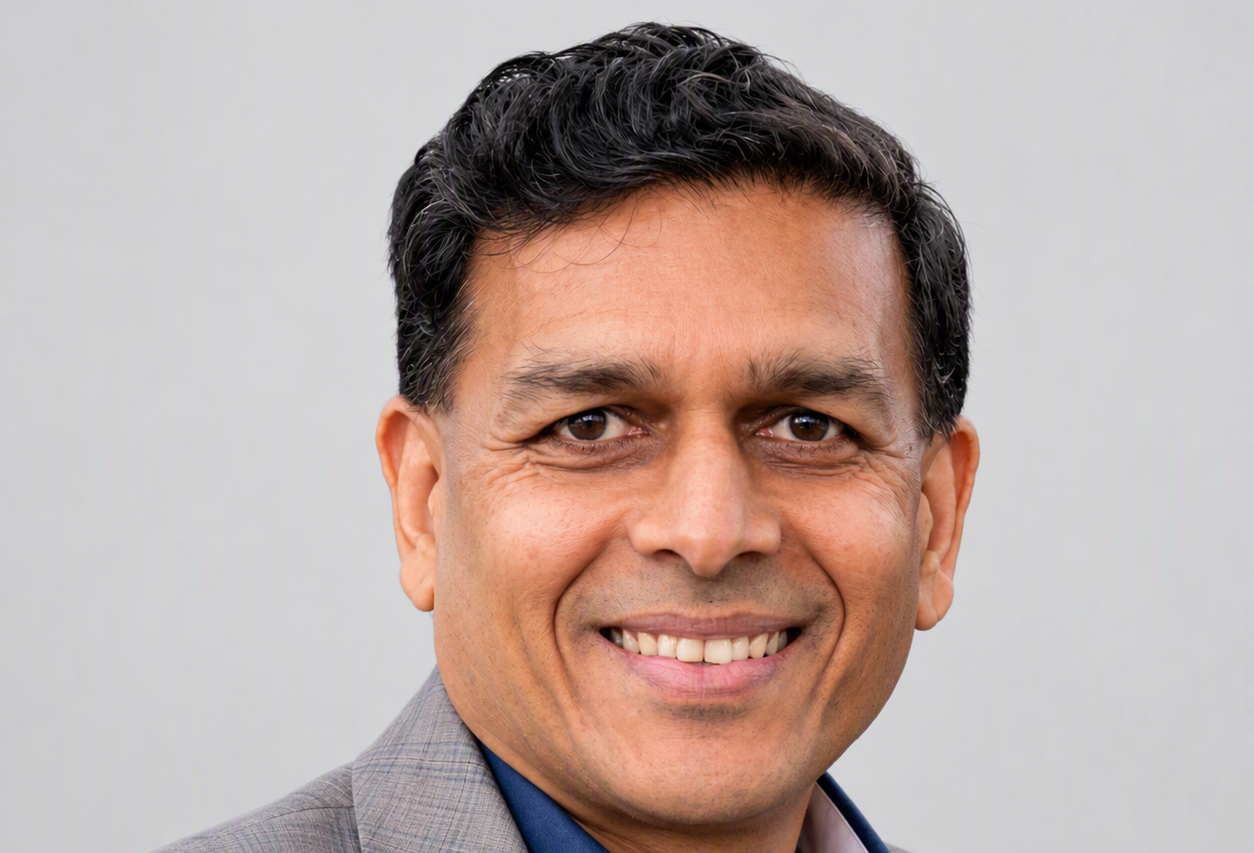
However, critical functions automated by AI require human oversight, said Manoj Bohra, chief data and AI officer at State Street Investment Management

BlackRock, Vanguard, and Fidelity form top three managers.
BlackRock, Vanguard, and Fidelity form top three managers.

China accounts for almost 60% of regional inflows, while leveraged chip-stock products in Hong Kong saw assets more than halve.
JP Morgan Asset Management in its long-term projections says it expects alternatives to enhance returns in a balanced portfolio of stocks and bonds.
JP Morgan Asset Management in its long-term projections says it expects alternatives to enhance returns in a balanced portfolio of stocks and bonds.
China accounts for almost 60% of regional inflows, while leveraged chip-stock products in Hong Kong saw assets more than halve.
Diversification requires looking beyond asset class labels to understand underlying risks, according to BlackRock.

Private capital is becoming increasingly central to financing the global economy, expanding the opportunity set across regions and asset classes, according to recent research by BlackRock.
BlackRock’s 2027 Private Markets Outlook: The new architecture of capital identified five key features.
First, infrastructure is becoming a foundational portfolio consideration, with AI, electrification and energy security driving long-term demand across digital infrastructure, power and related assets.
Second, private credit opportunities are expanding. Demand for flexible financing is broadening the global opportunity set across direct lending, asset-based finance and structured corporate credit, with selectivity and underwriting discipline remaining essential.
Third, private equity is evolving as companies are staying private longer, expanding the growth equity opportunity, while evergreen funds broaden access and secondaries offer additional liquidity and portfolio management options.
Fourth, real estate favours a selective, local approach. In Asia Pacific, there are opportunities in alternative living in Japan and Singapore, and last-mile logistics in Australia and New Zealand. Local knowledge and active management remain important.
Finally, portfolio construction matters more. Diversification requires looking beyond asset class labels to understand underlying risks, while liquidity needs, investment horizons and existing exposures should guide how private assets fit within the broader portfolio.
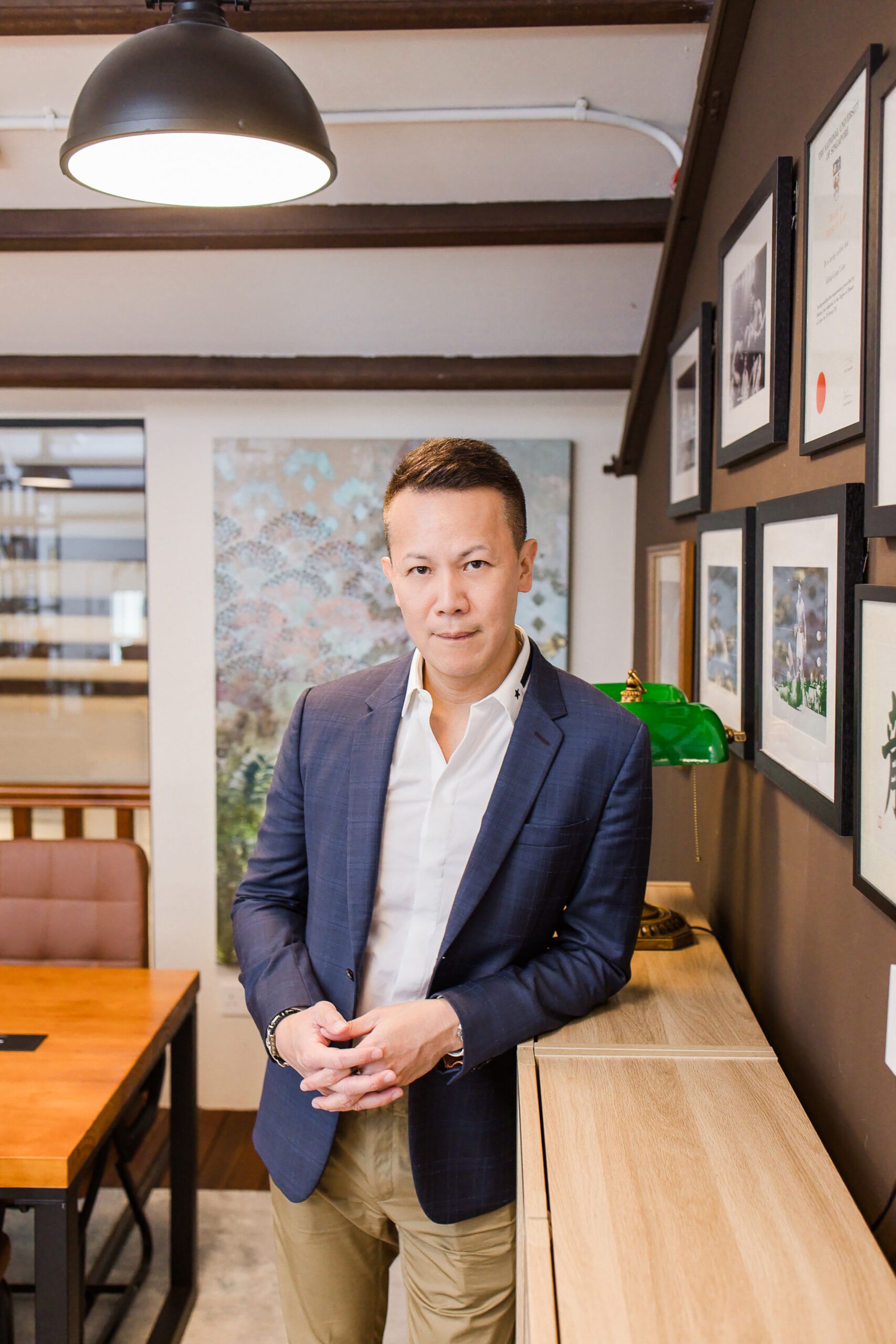
Thirdrock Group founder and former Schroders WM Asia CEO Jason Lai has joined Singapore-based Lighthouse Canton to advise on its growth ambitions.

Former Citi banker Sameer Deshpande joins Manulife Wealth and Asset Management.
China accounts for almost 60% of regional inflows, while leveraged chip-stock products in Hong Kong saw assets more than halve.