Indosuez’s Qian Su recommends alts for diversification in pro-risk stance
Head of investment management Asia, Qian Su, has also added equity hedge funds with systematic strategies in the US and Asia and also natural resources funds.

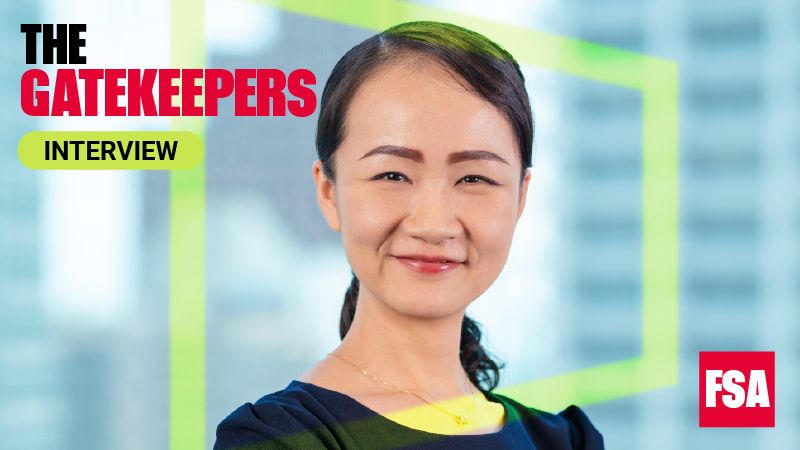
Head of investment management Asia, Qian Su, has also added equity hedge funds with systematic strategies in the US and Asia and also natural resources funds.
Head of investment management Asia, Qian Su, has also added equity hedge funds with systematic strategies in the US and Asia and also natural resources funds.

Jason Lim has been appointed head of d.istribution, South Asia ex Malaysia & Thailand
Head of investment management Asia, Qian Su, has also added equity hedge funds with systematic strategies in the US and Asia and also natural resources funds.
Head of investment management Asia, Qian Su, has also added equity hedge funds with systematic strategies in the US and Asia and also natural resources funds.

Investors increasingly see Bitcoin as a potential long-term allocation within a diversified portfolio.
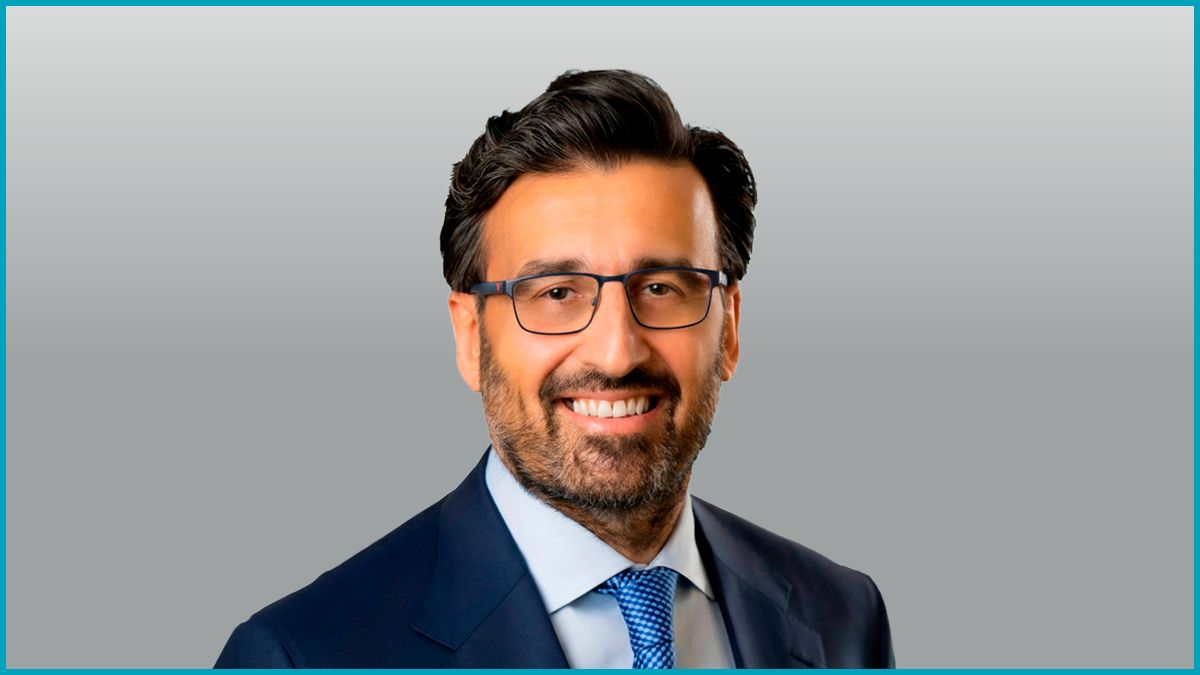
Sponsored by Loomis Sayles & Natixis
The Growth Equity Strategies Team at Loomis Sayles, an affiliate of Natixis Investment Managers, demonstrates that patience, discipline and conviction result in consistent, peer-leading risk-adjusted compounding over cycles.
Head of investment management Asia, Qian Su, has also added equity hedge funds with systematic strategies in the US and Asia and also natural resources funds.
Investors increasingly see Bitcoin as a potential long-term allocation within a diversified portfolio.
Head of investment management Asia, Qian Su, has also added equity hedge funds with systematic strategies in the US and Asia and also natural resources funds.
Head of investment management Asia, Qian Su, has also added equity hedge funds with systematic strategies in the US and Asia and also natural resources funds.

Investors are beginning to distinguish between winners and losers across the technology sector, according to Man Group’s Sumant Wahi.
Investors increasingly see Bitcoin as a potential long-term allocation within a diversified portfolio.
Investors increasingly see Bitcoin as a potential long-term allocation within a diversified portfolio.

This week FSA compares the Federated Hermes Asia ex-Japan Equity fund and the Man Asia (ex Japan) fund.
This week FSA compares the Federated Hermes Asia ex-Japan Equity fund and the Man Asia (ex Japan) fund.
This week FSA compares the Federated Hermes Asia ex-Japan Equity fund and the Man Asia (ex Japan) fund.

The Baillie Gifford Enhanced Yield fund invests in short-dated government and corporate bonds.
Investors are beginning to distinguish between winners and losers across the technology sector, according to Man Group’s Sumant Wahi.

The artificial intelligence (AI) investment trade is entering a more selective phase as investors begin to distinguish between winners and losers across the technology sector, according to Man Group portfolio manager Sumant Wahi.
Wahi said last week’s selloff in technology stocks suggests the “easy phase” of the semiconductor trade may be coming to an end after a period in which broad exposure to the sector was enough to deliver strong returns.
He said there are now signs that the memory supply squeeze that supported much of the recent rally is beginning to ease, partly as Chinese producers return as competitive suppliers.
“Even the biggest chip bulls seem to now accept that token pricing power is fading,” he said.
“Whether this is second-half jitters after a phenomenal run or something closer to a peak will depend on what the large technology companies say over the coming days during second-quarter earnings calls.”
Wahi said investment opportunities are now expanding beyond the semiconductor manufacturers that enabled the initial AI boom to the companies building the next stage of the technology and those likely to benefit from using it.
“The AI trade has moved from a broad thematic rally into something far more tactical,” he said.
He added that capital has been rotating rapidly between different parts of the AI supply chain, including graphics processors, memory, optical technology and, more recently, semiconductor wafer capacity.
“At the heart of our view for the remainder of the year is a shift from owning the theme to picking within it, as we have seen the market start to discriminate between winners and losers across the technology stack,” he said.
Wahi said semiconductors had become “the bubble everyone can see and no one wants to leave”.
“Investors may recognise the gap between chip valuations and the cash flows further down the chain, but selling early risks material underperformance, so the temptation is to stay invested,” he said. “This makes for a fragile foundation, which partially explains volatile moves when sentiment shifts.”
Wahi said the sector faced “two potential key risks”.
“The first is concentration: much of the big cloud providers’ spending now rests on promises from a small number of private model companies, leaving the whole infrastructure layer exposed if AI monetisation is delayed,” he said.
“The second is China, whose role we think is still underpriced.”
He said the country has narrowed the gap in semiconductor manufacturing and is also becoming more competitive in the model layer, where domestic open-source AI systems can compete aggressively on cost.
“For high-volume workloads, the case for using them has been strengthening,” he said.
This article first appeared in our sister publication, PA future

The case for gold is structural not cyclical, according to James Luke, lead manager of the Schroders Global Gold fund.

KBI Global Investors has launched a core sustainable strategy and a health and wellbeing strategy .
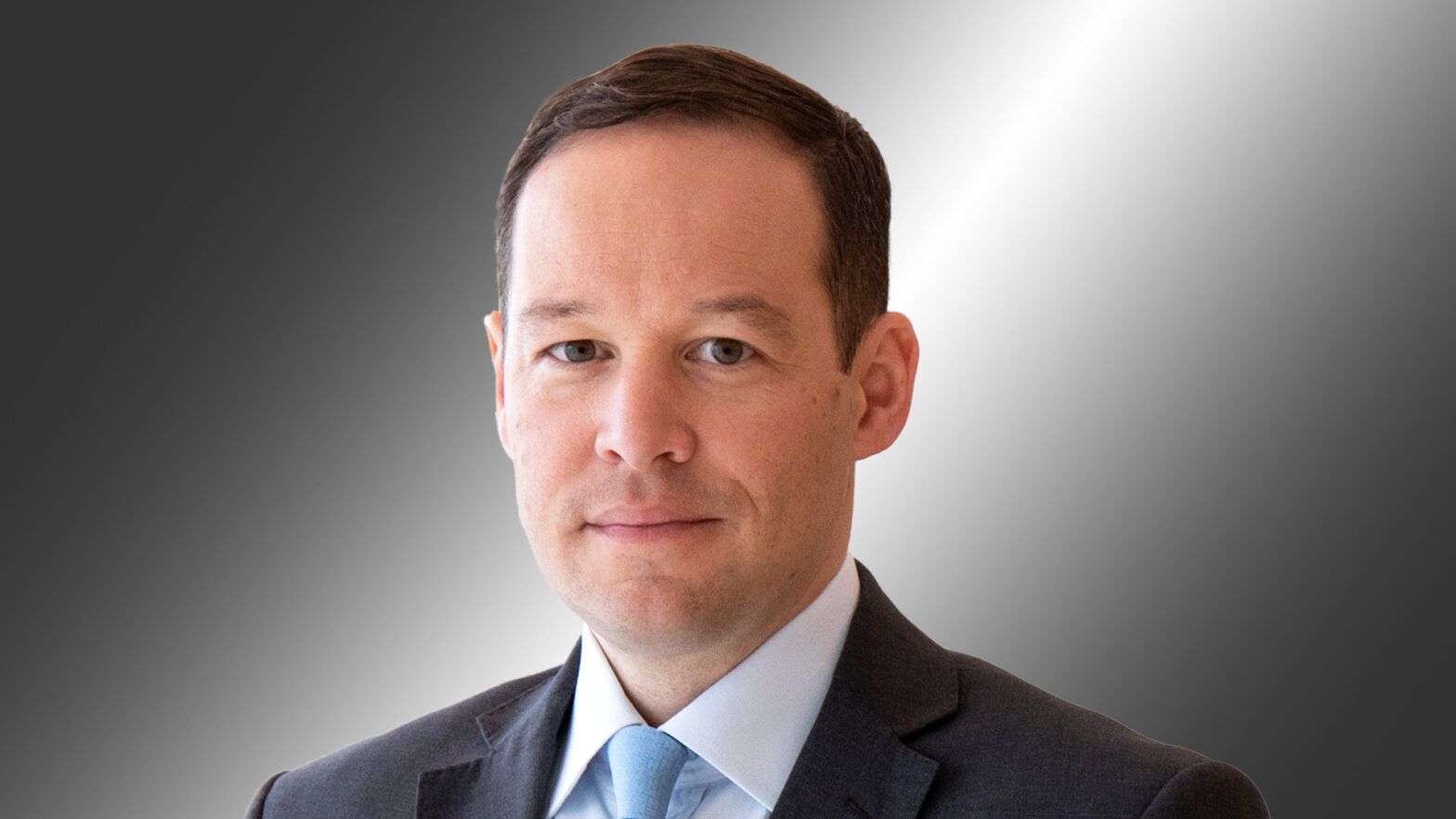
Infrastructure equities are seeing a growth inflection not yet recognised by the market, according to James Wigley, portfolio manager at Pictet Asset Management.