Call for entries – Fund Selector Asia House Awards 2027
Entries are open for the FSA 2027 House Awards until 11 December 2026.


Entries are open for the FSA 2027 House Awards until 11 December 2026.
Entries are open for the FSA 2027 House Awards until 11 December 2026.
The manager has switched the benchmark to the MSCI Emerging Markets 10/40 Index.
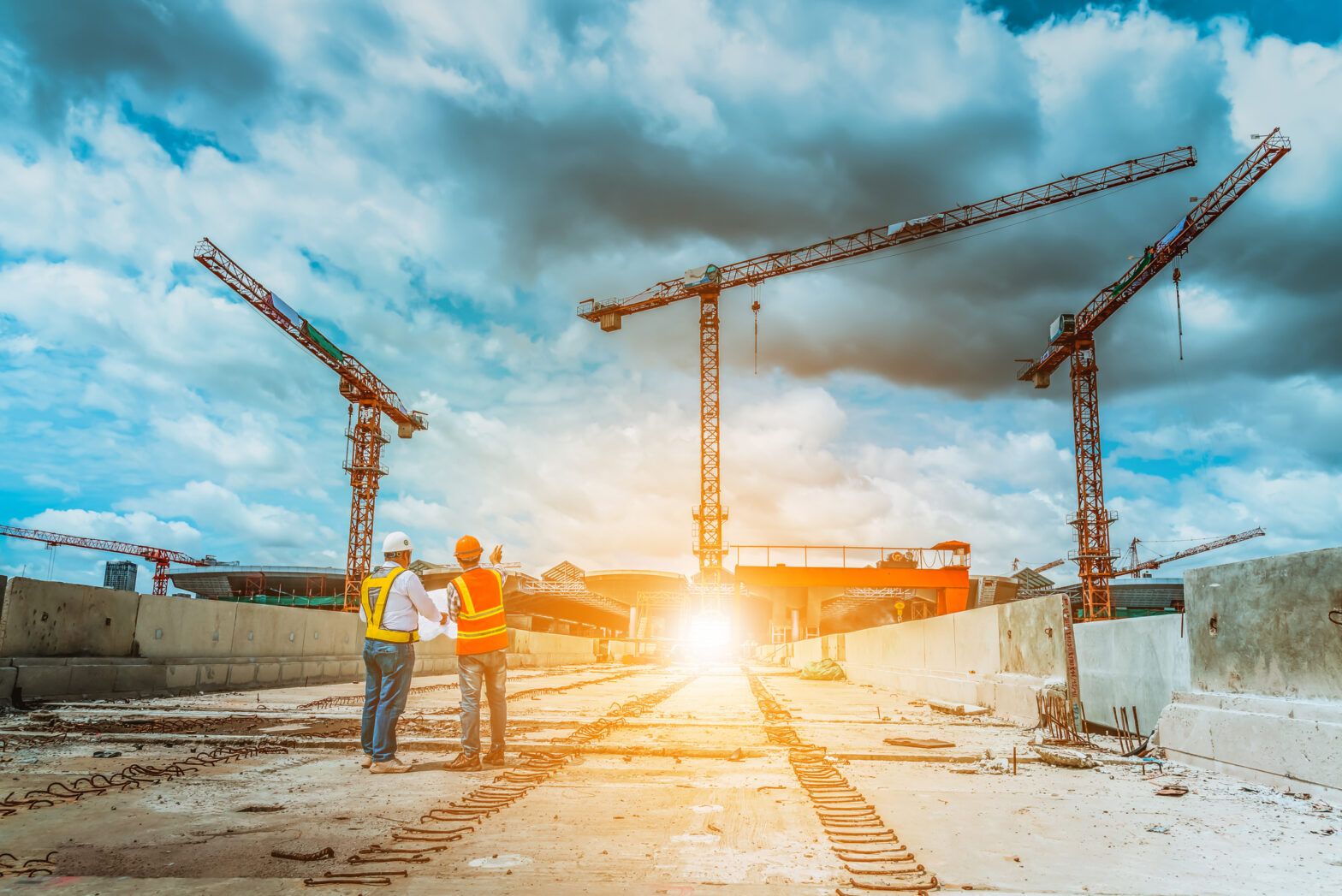
Southeast Asia needs $7.1trn in infrastructure investment through 2040, but governments will cover only 45% of the requirement, says ADB.
Southeast Asia needs $7.1trn in infrastructure investment through 2040, but governments will cover only 45% of the requirement, says ADB.

An MSCI study finds that data centre ownership models are affecting investment returns.
Sponsored by Loomis Sayles & Natixis
The Growth Equity Strategies Team at Loomis Sayles, an affiliate of Natixis Investment Managers, demonstrates that patience, discipline and conviction result in consistent, peer-leading risk-adjusted compounding over cycles.
The manager has switched the benchmark to the MSCI Emerging Markets 10/40 Index.
Southeast Asia needs $7.1trn in infrastructure investment through 2040, but governments will cover only 45% of the requirement, says ADB.
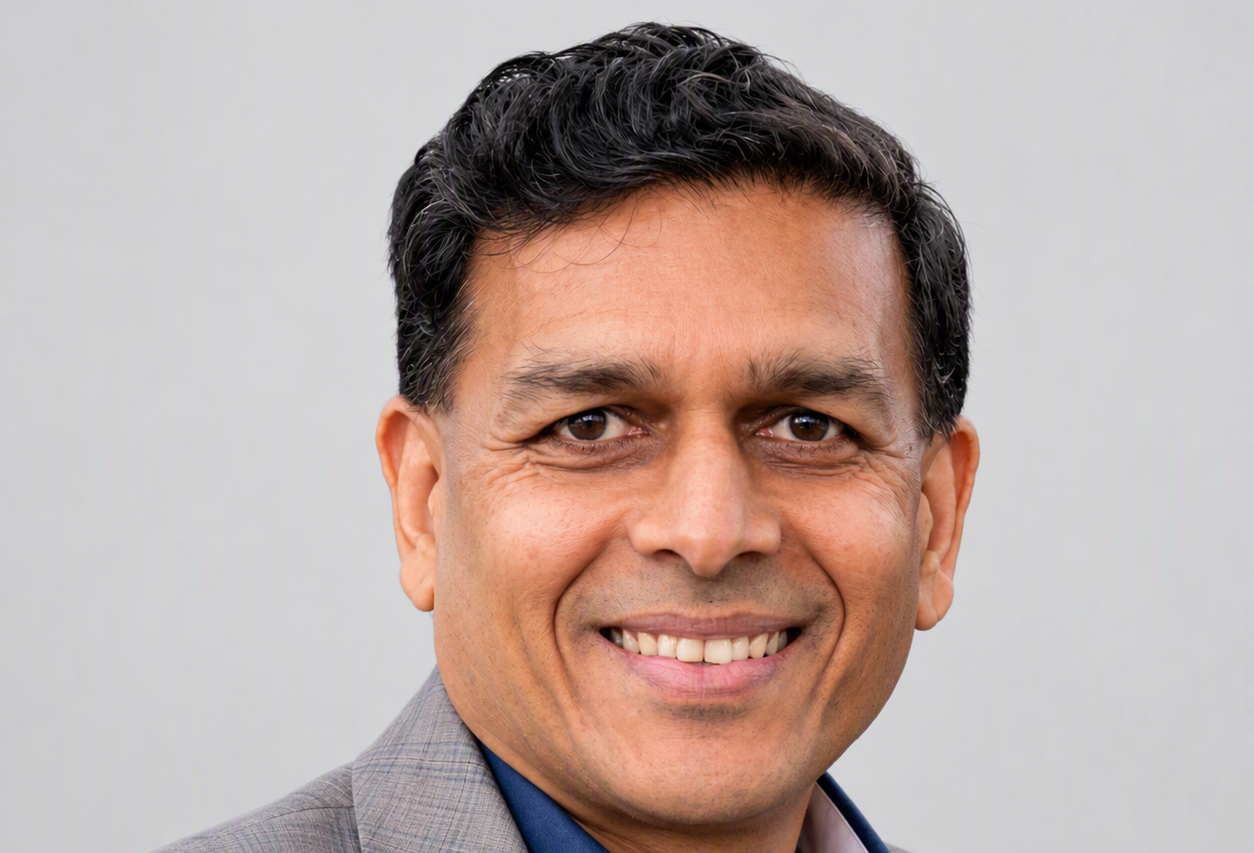
However, critical functions automated by AI require human oversight, said Manoj Bohra, chief data and AI officer at State Street Investment Management
However, critical functions automated by AI require human oversight, said Manoj Bohra, chief data and AI officer at State Street Investment Management
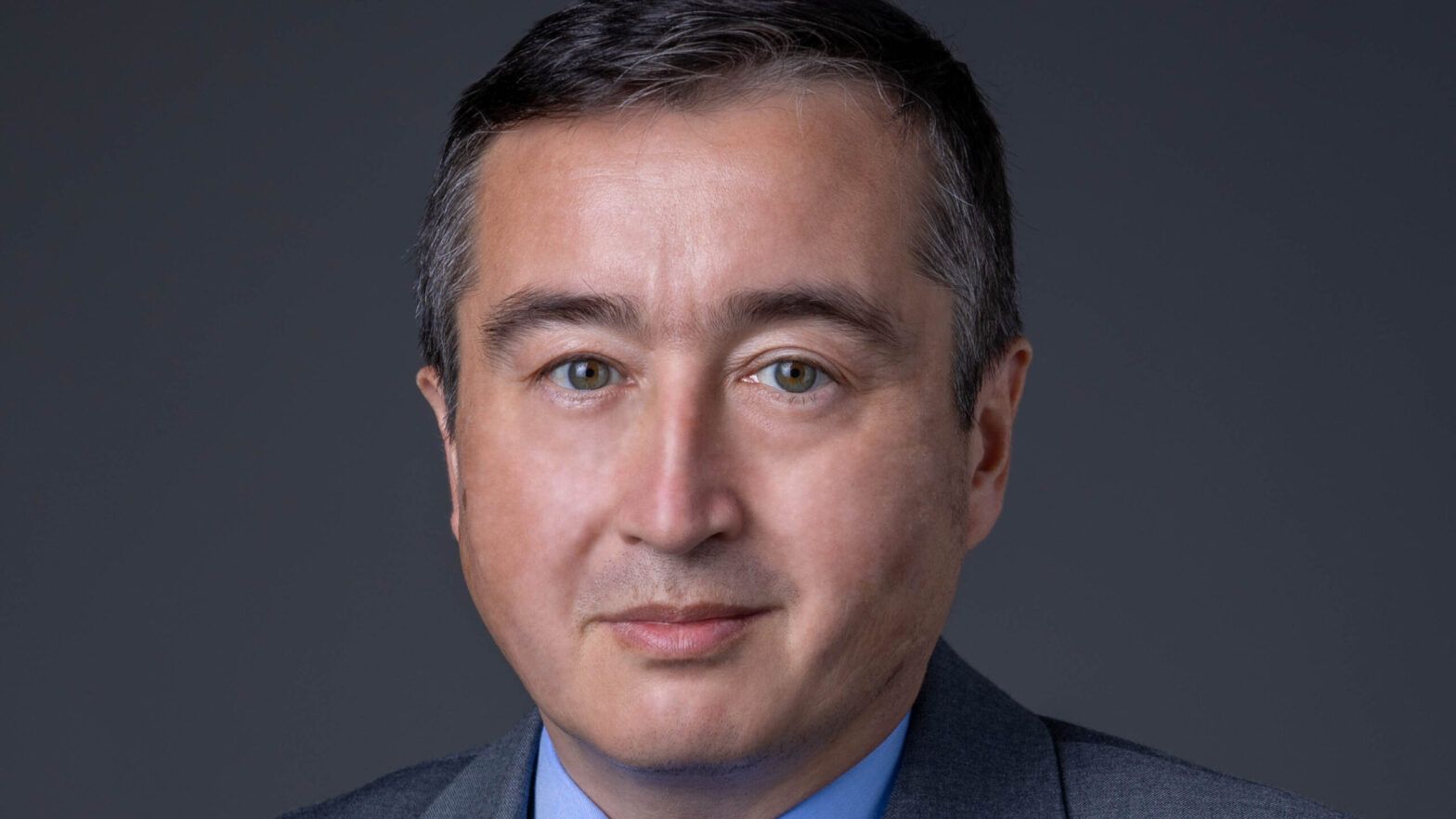
There are at least another two years left of the current artificial intelligence (AI) capital expenditure cycle, according to Jean-Louis Nakamura, head of conviction equities at Vontobel Asset Management.
Southeast Asia needs $7.1trn in infrastructure investment through 2040, but governments will cover only 45% of the requirement, says ADB.
Southeast Asia needs $7.1trn in infrastructure investment through 2040, but governments will cover only 45% of the requirement, says ADB.

This week, FSA compares two precious metals funds: BlackRock World Gold Fund and Schroders ISF Global Gold.

The firms have signed a memorandum of understanding to explore two-way flows of investment products.
The firms have signed a memorandum of understanding to explore two-way flows of investment products.
There are at least another two years left of the current artificial intelligence (AI) capital expenditure cycle, according to Jean-Louis Nakamura, head of conviction equities at Vontobel Asset Management.
Southeast Asia needs $7.1trn in infrastructure investment through 2040, but governments will cover only 45% of the requirement, says ADB.

A new Asian Development Bank (ADB) report identifies a shortage of well-prepared projects as a major obstacle to attracting the private investment needed to meet Southeast Asia’s infrastructure requirements. With government budgets under pressure, it calls for stronger project preparation, predictable regulations, and transparent procurement.
Southeast Asia needs $7.1trn in infrastructure investment through 2040 to support economic growth, strengthen energy security, and build connected and resilient economies, according to the report released this week.
“Southeast Asia’s growth depends on what it builds next,” said ADB president Masato Kanda. “Its factories need dependable electricity, and its businesses need faster, safer ways to reach markets. These investments must also be built to deliver long-term benefits.”
The report, The $7 Trillion Challenge: Building Tomorrow’s ASEAN, estimates annual infrastructure needs of $476bn from 2026 to 2040, equivalent to 8.7% of the region’s gross domestic product. The assessment reflects the region’s growing demand for modern infrastructure as its economies expand, urbanise, and become increasingly digitally connected and service oriented. At current levels, government investment would cover only 45% of the requirement, leaving an estimated financing gap of $264bn a year.
Electricity and transport account for 85% of the region’s infrastructure needs, requiring $3.6trn and $2.5trn, respectively. Power investments must expand electricity generation, transmission, and storage, including cross-border connections under the Association of Southeast Asian Nations (Asean) Power Grid, to strengthen energy security, support greater use of clean energy, and reduce exposure to global supply disruptions. ADB’s Pan-Asia Power Grid Initiative, launched in May, will expand cross-border electricity trade and connectivity across Asia and the Pacific, building on the Asean Power Grid.
Digital infrastructure requires another $584bn, including broadband networks and data centres. These investments will be critical to strengthening regional digital connectivity, boosting productivity and competitiveness, and supporting the ASEAN Digital Economy Framework Agreement. ADB’s Asia-Pacific Digital Highway, also launched in May, will help address these needs by financing fibre networks, submarine cables, internet exchange points, and regional data centres through 2035.
Roads remain the largest transport investment need at nearly $2trn, while railways and airports are among the fastest-growing requirements. Integrated transport networks and cross-border connectivity will help reduce logistics costs and strengthen Southeast Asia’s competitiveness in global markets.
Health infrastructure will require a further $227bn through 2040, including investment in approximately 49,000 new facilities, most of them primary health care centres.

Cameron Chui succeeds Timothy Fung in the role.

The Macro Opportunities Strategy is a daily dealing, Luxembourg domiciled investment vehicle.
The firms have signed a memorandum of understanding to explore two-way flows of investment products.