Infrastructure equity enters the spotlight
Allocators find infrastructure equities compelling given its growth potential combined with resilient, inflation-protected earnings.


Allocators find infrastructure equities compelling given its growth potential combined with resilient, inflation-protected earnings.
Allocators find infrastructure equities compelling given its growth potential combined with resilient, inflation-protected earnings.

The emerging market veteran has been with the firm for 32 years.
Allocators find infrastructure equities compelling given its growth potential combined with resilient, inflation-protected earnings.
Allocators find infrastructure equities compelling given its growth potential combined with resilient, inflation-protected earnings.
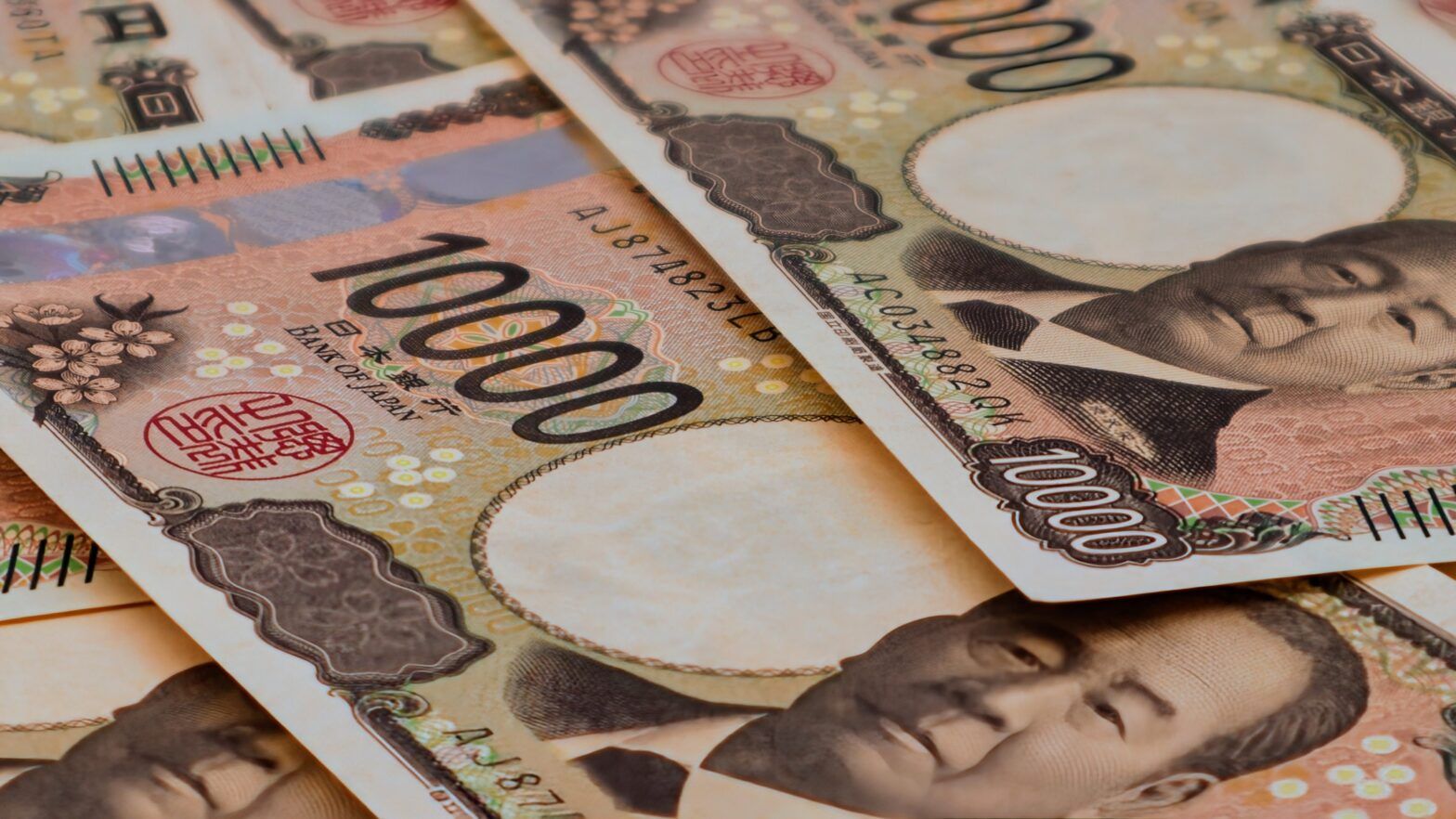
NB Japan Private Equity Opportunities fund raised approximately JPY70bn ($460m) from a range of investors.

Sponsored by Loomis Sayles & Natixis
The Growth Equity Strategies Team at Loomis Sayles, an affiliate of Natixis Investment Managers, demonstrates that patience, discipline and conviction result in consistent, peer-leading risk-adjusted compounding over cycles.
Allocators find infrastructure equities compelling given its growth potential combined with resilient, inflation-protected earnings.
NB Japan Private Equity Opportunities fund raised approximately JPY70bn ($460m) from a range of investors.
Allocators find infrastructure equities compelling given its growth potential combined with resilient, inflation-protected earnings.
Allocators find infrastructure equities compelling given its growth potential combined with resilient, inflation-protected earnings.

Alternatives provide uncorrelated streams of alpha, a hedge against market volatility and different sources of income.

This week FSA compares two emerging market equity funds: the Man Systematic Emerging Markets Equity fund and the PGIM Quant Solutions Emerging Markets Equity Fund.
This week FSA compares two emerging market equity funds: the Man Systematic Emerging Markets Equity fund and the PGIM Quant Solutions Emerging Markets Equity Fund.

Companies in Japan and Taiwan drove most of the growth in payouts across Asia Pacific, according to a report from Janus Henderson Investors.
NB Japan Private Equity Opportunities fund raised approximately JPY70bn ($460m) from a range of investors.
NB Japan Private Equity Opportunities fund raised approximately JPY70bn ($460m) from a range of investors.
Alternatives provide uncorrelated streams of alpha, a hedge against market volatility and different sources of income.
The debasement and de-dollarisation trades will return, according to James Luke, senior portfolio manager, gold and commodities at Schroders.


Extreme oil price rises have inflicted damage across all asset classes during the past month, including gold, which has often acted as a safe haven for fearful investors.
However, James Luke, senior portfolio manager, gold and commodities at Schroders maintains that in the mid- to long-term, the “debasement” trade, or the “de-dollarisation” trade that supported the tremendous performance of the gold price for more than a year will eventually reassert itself.
The gold price rose in the first days of the Iranian conflict, reaching over $5,300 on 3 March. Since then, it has fallen in a series of dramatic steps. By 23 March, as the war entered its fourth week, gold had plunged to about $4,400. The value of gold equities has fallen by about 25% since the start of the war.
But Luke argues that “the geopolitical shift from US unipolarity to multi-polar, great power competition, with reduced confidence in globalised institutions and supply chains, is likely to continue in most scenarios”.
Moreover, the prospect of both stagflation and increased defence spending burdens means that recession probabilities are rising, and the fiscal trend of rising debts and deficits in G7 countries will continue.
“However, gold has often not been a good short-term geopolitical hedge, or hedge against significant market stress.”
Luke identifies three factors at play. First, there has been a “knee-jerk reaction to a lower chance of interest rate cuts”. A likely shortage of oil and gas, triggered by the closure of the Hormuz shipping channel and damage to Gulf energy infrastructure, has led to higher inflation expectations, which in turn puts pressure on central banks to hike rates.
Second, gold returns have been very strong for more than a year, but “in a period of ‘risk off’, with high market stress and a short-term rush for cash, gold can get sucked in”.
Finally, concerns about fiscal stress have prompted gold sales. These include fears that sovereign wealth funds have sold positions to meet government cash calls, or that emerging market central banks are using gold reserves as a source of near-term liquidity to support their currencies.
Yet, “even if the crisis becomes prolonged, we expect – once near-term knee-jerk selling is exhausted – that gold would begin to break its near-term negative correlation with oil markets,” Luke said.
He believes that “gold has proved itself a good portfolio diversifier and a valuable hedge against long-term trend increases in geopolitical and fiscal stress”.
Companies in Japan and Taiwan drove most of the growth in payouts across Asia Pacific, according to a report from Janus Henderson Investors.

The series debuts with two strategies, both investing predominantly in KKR’s K-Series.

The launch marks the firm’s third ETF in its suite of actively-managed, US-focused equity products.